For anyone eating a plant-based diet, dinner often becomes the meal where protein either soars or stumbles. You intend to hit your needs—but without meat as a reference point, it's easy to overcompensate or undershoot. Here are three common protein portion errors plant-based eaters make at dinner, and how to fix them without turning every meal into a lab experiment.
Error #1: Treating Tofu Like an Afterthought
A single serving of tofu is about ½ cup (roughly 100–150 grams), which provides around 10–20 grams of protein depending on firmness. But many plant-based dinners use only a few thin slices tossed into a stir-fry, ending up with maybe 5 grams. That’s not enough to support muscle repair or keep you satisfied until breakfast.
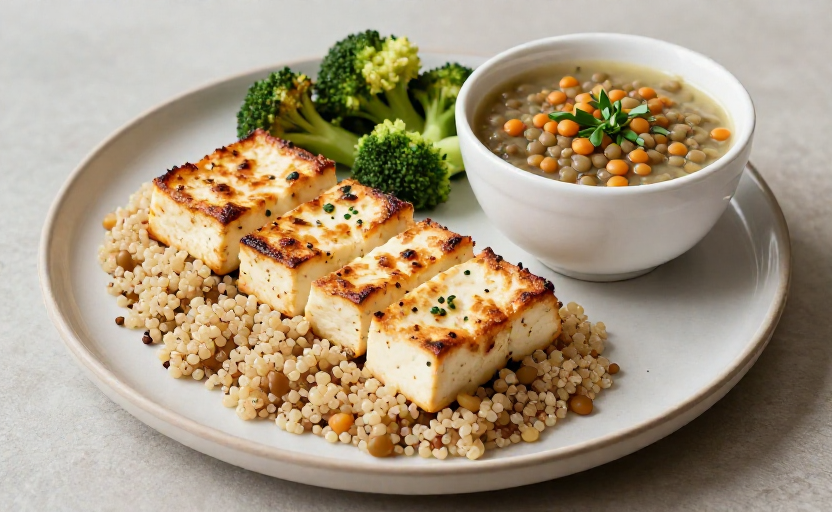
To fix this, block out your protein portion the same way you would a chicken breast. Aim for one palm-sized portion (about the thickness of your hand) of tofu, tempeh, or seitan per dinner. Tempeh is especially protein-dense, with about 20 grams per ½ cup. If you are cooking for two, use the whole block.
Error #2: Relying Only on Legumes Without Balancing the Plate
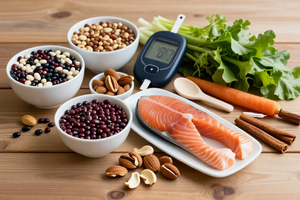
Beans and lentils are excellent protein sources, but a common mistake is filling a bowl with only rice and beans and calling it a complete protein dinner. While legumes do contain protein, you need enough volume to meet your needs. A standard serving is ½ cup of cooked beans (about 7–9 grams of protein). Many people eat less than that, especially if beans are just a garnish on a salad.
A better approach is to build your dinner plate consciously. Make legumes the base of the meal, not an afterthought. Use 1 cup of cooked lentils or chickpeas as the main protein, then fill half your plate with vegetables and a quarter with whole grains. This not only boosts protein but also adds fiber and micronutrients that help your body use that protein well.
Error #3: Forgetting to Count Protein in Grains and Veggies
Whole grains and vegetables contribute small but meaningful amounts of protein—and skipping them in your mental tally can leave you short. A cup of cooked quinoa has about 8 grams of protein; a cup of cooked broccoli has about 4 grams. When dinner includes only a small scoop of rice and a handful of greens, you lose those secondary protein sources that add up throughout the day.
The fix is simple: intentionally include at least one high-protein grain (quinoa, farro, amaranth) and one protein-rich vegetable (broccoli, spinach, Brussels sprouts) as part of the meal. Over a week, those incremental grams make a real difference, especially for active individuals or older adults who need more protein to maintain muscle mass.
Aim for about 20–30 grams of protein at dinner, which is roughly the amount in 1 cup of cooked lentils plus ½ cup of quinoa and a side of broccoli.
How to Keep It Simple Without Overthinking
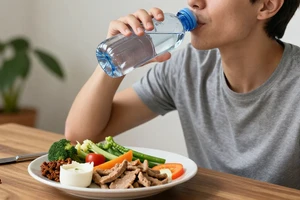
If counting grams feels tedious, use your hand as a portion guide: one palm-sized portion of a concentrated protein like tofu or tempeh, one cupped handful of legumes, and one fist-sized portion of whole grains. This visual system covers most people’s needs without a scale.
Also, consider how you prepare these foods. Marinating tofu or tempeh before cooking, seasoning lentils well, and roasting vegetables with herbs can turn a protein portion from a chore into something you actually look forward to. Consistency matters more than perfection—most plant-based eaters get enough protein if they pay attention to portions at the main meal.
Remember: general wellness education only. Protein needs vary by age, activity level, and health status. Consult a healthcare provider or registered dietitian for personalized advice.