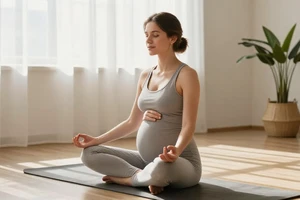
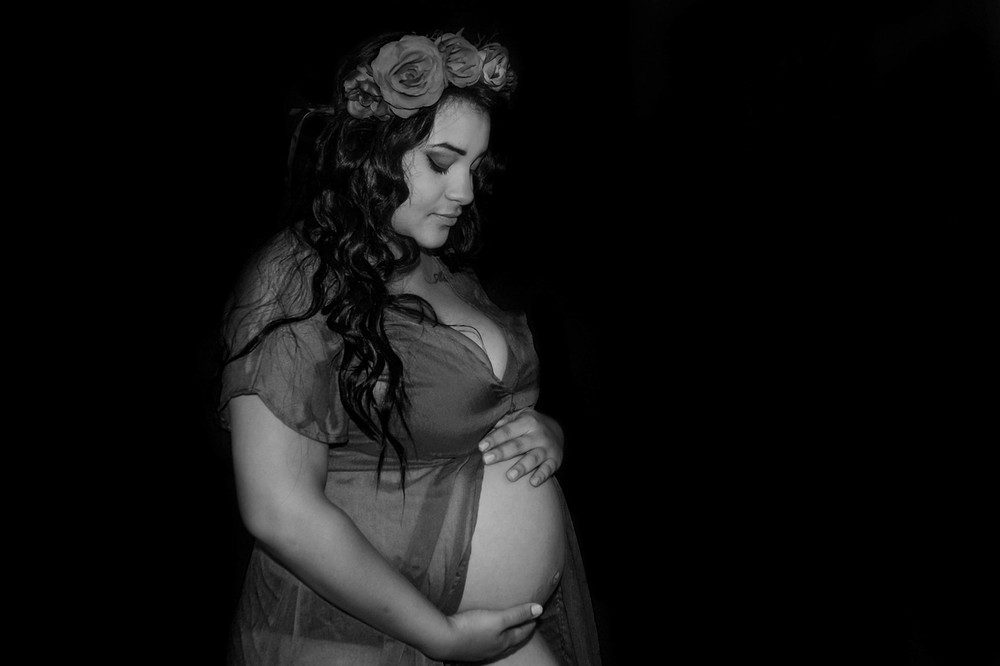
Prenatal yoga is a wonderful way to stay active, calm the mind, and prepare the body for birth. Yet many pregnant practitioners unconsciously push their joints into vulnerable positions, especially as the hormone relaxin loosens ligaments throughout the body. The result can be nagging hip pain, pubic symphysis trouble, or wrist strain that takes the joy out of practice.
Here are three of the most common joint misalignments I see in prenatal classes—and simple, safe corrections you can use in your own practice.
1. Overstretching the hips in butterfly and squat poses
Relaxin peaks in the first trimester and remains elevated throughout pregnancy, making hip joints unusually mobile. Many students interpret this newfound freedom as a green light to sink deeper into a wide-legged squat or butterfly (Baddha Konasana). The problem is that joint laxity without muscular control can strain the sacroiliac joint and the pubic symphysis.
How to fix it: In seated butterfly or any wide-leg posture, place a rolled blanket or yoga block under each outer thigh for support. This creates a physical boundary that prevents your thighs from dropping too low while still allowing a gentle stretch. Focus on feeling the muscles around the hips activate, not on how far your legs can open.
Quick tip: If you feel a sharp pinch deep in your groin or over your pubic bone, you have gone past your functional range. Back off immediately and add support.
2. Weight-bearing through hyperextended wrists
Tabletop, Downward Dog, and Cat-Cow are staples in most prenatal flows, but many students allow their wrists to collapse or hyperextend when bearing weight. This is especially risky because fluid retention and carpal tunnel syndrome are common in pregnancy.
How to fix it: Spread your palms wide and press your knuckles and fingertips actively into the mat. Imagine you are pushing the floor away from you—this engages the forearm muscles and stabilizes the wrist joint. Alternatively, come onto your fists or use small dumbbells (or rolled-up towels) to grip, keeping the wrist in a neutral position.
- In Downward Dog, shorten your stance slightly to reduce the angle at the wrist.
- For Cat-Cow, keep a micro-bend in your wrists rather than locking them.
If wrist pain persists, skip weight-bearing poses altogether and do Cat-Cow on your forearms or standing—you get the same spinal mobility without the joint stress.
3. Twisting from the hips instead of the ribcage
Twists are wonderful for digestion and back tension, but twisting from the hips—rotating the pelvis and lower spine together—can destabilize the sacroiliac joint and aggravate sciatica. The classic instruction to "twist from your waist" often leads students to lock the pelvis and rotate exclusively from the lower back, which can compress the lumbar discs.
How to fix it: In seated or standing twists, initiate the movement by drawing your lower belly in, then rotating your ribcage above a stable pelvis. Think of your pelvis as a heavy bowl that stays centered while your upper body turns. Keep both sitting bones grounded, or in a standing twist, keep your hips squared to the front of the mat.
Never force a twist farther than your natural range. A gentle twist that releases the belly and breath is far more beneficial than a deep rotation that yanks on the sacroiliac ligaments.
One final note: because every pregnancy is different, listen to your body above all else. If a pose ever causes popping, sharp pain, or a feeling of instability, back off and ask your yoga instructor for a modified version. Your joints are adapting to huge changes—treat them with patience, not pressure.