
Prenatal yoga is a gentle, powerful way to maintain flexibility, ease back tension, and prepare your body for birth. But after a session—especially in the later trimesters—your joints, hips, and lower back can feel a bit achy from the increased ligament laxity (thanks to that hormone relaxin) and the extra weight you're carrying. That post-yoga soreness is normal, but it doesn't have to linger.
One of the most effective ways to support recovery is through food. The right anti-inflammatory ingredients can help calm the subtle swelling in your connective tissues, reduce muscle stiffness, and provide the nutrients your changing body craves. Here are seven foods to add to your grocery list—and your post-yoga plate—to help your joints feel more comfortable after practice.
1. Fatty fish: salmon, sardines, and mackerel
Fatty fish are the gold standard for fighting inflammation because they're packed with omega-3 fatty acids EPA and DHA. These compounds help reduce the production of inflammatory molecules that can make swollen or tender joints worse. A serving of wild salmon after yoga provides protein for muscle repair and healthy fats to keep inflammation balanced. If you're not a fish fan, a high-quality, purified omega-3 supplement is a good alternative, but whole food sources also deliver key nutrients like vitamin D and selenium.
2. Dark leafy greens: spinach, kale, and Swiss chard
Your body needs a steady supply of antioxidants to neutralize free radicals that build up during exercise—even gentle movement like prenatal yoga. Leafy greens are rich in vitamins C, E, and K, as well as the plant compounds lutein and zeaxanthin. Vitamin K, in particular, plays a role in bone health and joint structure. Try tossing a handful of baby spinach into a smoothie or wilting kale with a little olive oil and garlic as a side dish after your practice.
3. Berries: blueberries, strawberries, and raspberries
Berries get their deep colors from anthocyanins, a type of flavonoid with potent anti-inflammatory effects. Studies suggest that regular berry consumption can lower levels of C-reactive protein (CRP), a marker of systemic inflammation. They also deliver a dose of vitamin C, which is essential for collagen production—a key structural protein in your joints and connective tissues. A bowl of mixed berries with a dollop of yogurt makes a cooling, refreshing post-yoga snack.
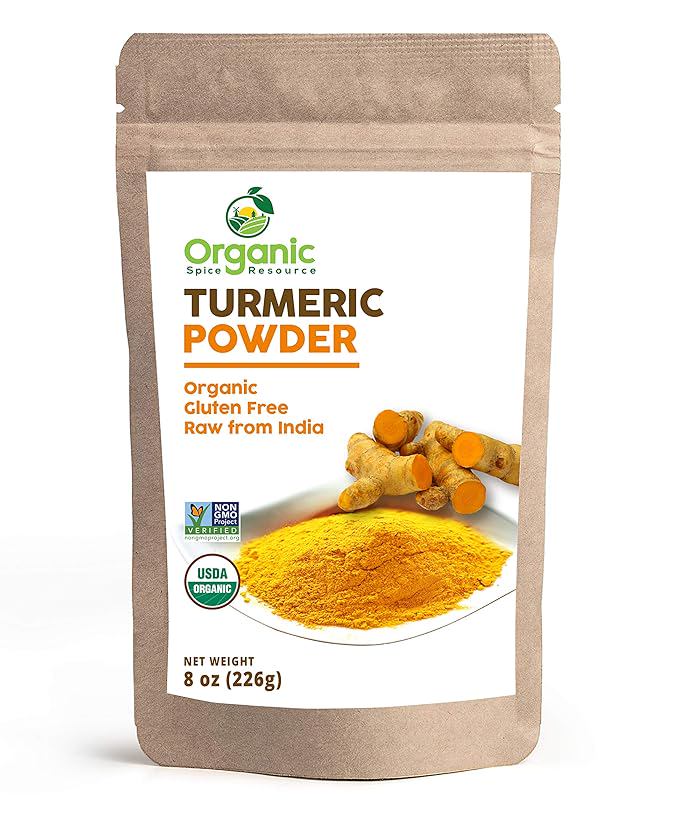
4. Turmeric (with a pinch of black pepper)
Turmeric contains curcumin, a compound widely studied for its ability to reduce joint pain and stiffness. The catch is that curcumin is not easily absorbed on its own. Combining turmeric with black pepper (which contains piperine) boosts absorption dramatically. A warm turmeric latte (sometimes called golden milk) made with unsweetened almond milk, a pinch of black pepper, and a dash of ginger is a comforting way to support joint recovery after a soothing yoga class.
5. Extra virgin olive oil
Extra virgin olive oil is rich in oleocanthal, a natural anti-inflammatory compound that some researchers say works similarly to ibuprofen but in a much gentler, food-based way. Drizzling it over roasted vegetables or a simple lentil salad provides healthy monounsaturated fats that support cell membrane health and reduce oxidative stress. Choose a high-quality, cold-pressed olive oil to get the most benefit.
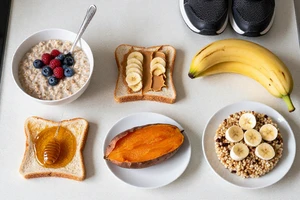
Small shifts in your diet—like swapping vegetable oil for olive oil or adding berries to your morning oatmeal—can compound over weeks to noticeably reduce post-yoga joint tenderness.
6. Ginger
Like turmeric, ginger has a long history of use for managing joint discomfort. It contains gingerol and shogaol, compounds that inhibit pro-inflammatory cytokines. Ginger can be particularly helpful for the lower back and hip area—common spots for prenatal discomfort. Grate fresh ginger into stir-fries, steep it as a tea with a slice of lemon, or add it to a carrot and orange soup for a warming, anti-inflammatory meal.
7. Nuts and seeds: walnuts, almonds, chia, and flax
Nuts and seeds deliver a combination of healthy fats, fiber, and antioxidants. Walnuts are especially high in alpha-linolenic acid (ALA), a plant-based omega-3 that supports joint health. Chia seeds and ground flaxseed also provide ALA along with lignans, another class of anti-inflammatory compounds. Sprinkle a tablespoon of ground flaxseed on your post-yoga oatmeal, or grab a small handful of walnuts as a quick snack.
Putting it together: a simple post-yoga plate
You don't need a complicated recipe to make the most of these foods. A balanced post-yoga meal could look something like this: a bed of baby spinach topped with grilled salmon, a handful of blueberries, a sprinkle of walnuts, and a simple dressing of extra virgin olive oil and lemon juice. On the side, a warm mug of turmeric-ginger tea. This combination covers protein, healthy fats, antioxidants, and phytonutrients that support your muscles and joints simultaneously.
As always during pregnancy, listen to your body. If a particular food makes you feel unwell or you have dietary restrictions, adjust accordingly. The goal is not a rigid anti-inflammatory diet—it's about choosing foods that help you feel more comfortable, energetic, and supported in your prenatal wellness journey.