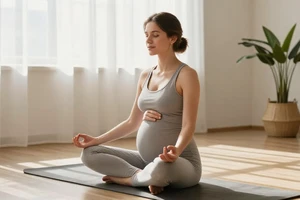

Prenatal yoga is often recommended for its gentle stretching, breath work, and stress relief. For most expectant mothers, it provides a safe way to stay active and connected to a changing body. Yet pregnancy hormones—particularly relaxin—loosen ligaments and increase joint laxity, which can shift the usual boundaries of a stretch. That shift, combined with changing center of gravity and added weight, can make it harder to distinguish between a productive stretch and the early stage of an injury.
This practical explainer focuses on how to spot those early warning signs so you can adjust your practice before a minor ache becomes a more significant problem. The goal is not to create fear, but to empower you with awareness so you can continue your prenatal yoga practice as safely as possible.
What changes in your joints during pregnancy?
Understanding the physiological changes is a necessary first step. Relaxin, a hormone produced during pregnancy, increases joint mobility by relaxing the connective tissues that hold the skeleton together. This is vital for childbirth, but it also means that a stretch that once felt perfectly safe can now place excessive strain on a joint capsule or tendon.
Additionally, your posture shifts. The growing belly pulls the pelvis forward, often increasing the curve of the lower back (lumbar lordosis). This can create tension in the hips, sacroiliac (SI) joint, and lower back. If you are not consciously stabilizing these areas during a pose, you may be over-stretching or compressing vulnerable structures without realizing it.
General warning signs versus injury-specific signs
During pregnancy, many normal sensations can mimic early injury signals. A common example is round ligament pain—a sharp, jabbing sensation on one side of the lower abdomen—which feels alarming but is typically harmless. Similarly, mild lower back fatigue from supporting extra weight is expected.
An early joint injury, however, presents distinct features. The table below, presented as a quick-reference comparison, helps you differentiate between a typical pregnancy sensation and a potential injury signal.
- Pain quality: A dull ache or mild burning in a specific joint (like the front of the hip or inner groin) that persists after the pose ends suggests something more than general tightness.
- Location matters: Pain that is centered directly over a joint line (e.g., the symphysis pubis at the front of the pelvis, the SI joint dimples at the lower back, or the wrist joint) rather than in the belly of a muscle is more likely to involve ligaments or cartilage.
- Time of onset: If pain appears during a pose but also lingers into the next day—or worsens when you walk, stand, or roll over in bed—it is a red flag. Transient discomfort that vanishes the moment you exit the pose is usually just a stretch.
- Swelling or heat: Visible swelling, warmth, or redness over a joint is an unequivocal signal to stop and consult a healthcare provider. This is not a normal pregnancy change.
Joints most at risk in prenatal yoga
Not all joints are equally vulnerable during pregnancy. The following areas are most commonly stressed in a typical prenatal yoga class, and they deserve extra attention.
Hips and groin (pubic symphysis)
The pubic symphysis is the cartilaginous joint at the very front of the pelvis. Over-stretching in poses like Bound Angle (Baddha Konasana), Wide-Legged Forward Fold, or deep squats can irritate this joint. A telltale sign is a sharp, localized pain in the center of the pubic bone when lifting one leg (e.g., stepping into or out of a lunge) or when rolling over in bed. If you feel any snapping or grinding sensation deep in the inner hip during hip-openers, reduce your range immediately.
Sacroiliac joint (lower back and buttocks)
The SI joint connects the sacrum to the ilium bones of the pelvis. It is a notoriously sensitive area during pregnancy. Asymmetrical poses—like Warrior II or Triangle—can aggravate it if you are not activating your gluteal muscles to stabilize the joint. Early injury signs include a deep, one-sided ache just below the waistline, often accompanied by a feeling of “giving way” or instability when standing on one leg.
Wrists and hands
Weight-bearing through the hands in poses like Downward-Facing Dog, Plank, or Cat-Cow can strain the wrist joints. Pregnancy-related fluid retention can compress the median nerve, mimicking carpal tunnel symptoms. If you experience tingling, numbness, or a sharp electric sensation in the thumb and first two fingers during or after weight-bearing poses, you may be irritating the wrist joint or nerve. Switching to fists or forearm support can help, but persistent symptoms warrant a break.
Knees
Knee discomfort in prenatal yoga often arises from misalignment in standing poses. When the hips are looser, the thighbone (femur) can rotate internally, straining the medial (inner) knee structures. Pain on the inside of the knee during lunges or squats, especially when the knee tracks past the toes or collapses inward, is an early sign. Keep a micro-bend in the knees during standing poses and avoid locking them.
“A good rule of thumb is to back off by 70–80 percent of your full range. If you feel a stretch in the muscle belly, you are likely safe. If you feel pressure or pinching directly in the joint line, back out immediately.”
Practical steps to monitor joint health during class
Rather than waiting for pain, develop a routine of quick self-checks during each practice. This proactive approach helps you catch signs early.
- Check your baseline: At the start of class, scan your joints for any pre-existing ache. If you already have a tender spot, inform your instructor and modify that side.
- Test after each set: After you exit a pose, stand or sit quietly and feel the joint you just worked. Is there any pain that persists? Does the joint feel “clicky” or unstable? Take note.
- Track next-day symptoms: This is the most reliable indicator. If a specific joint feels stiff, swollen, or painful the morning after your class, you likely pushed too far. Scale back next time.
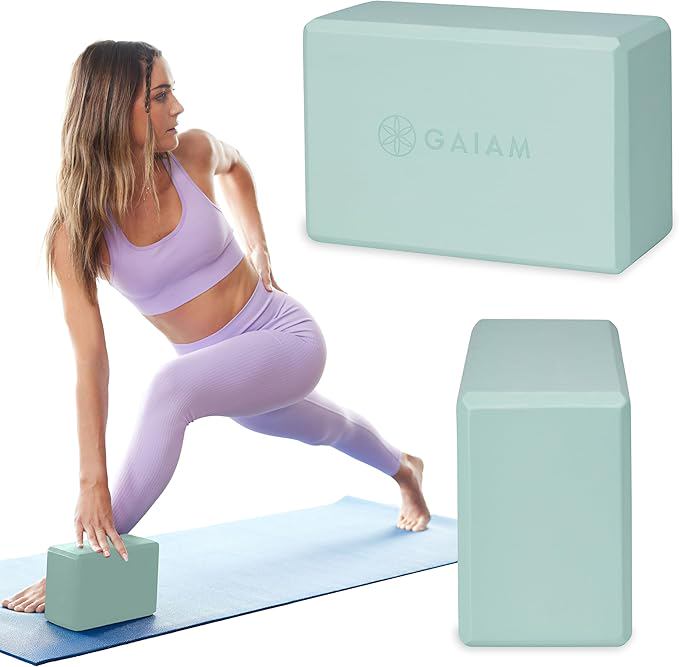
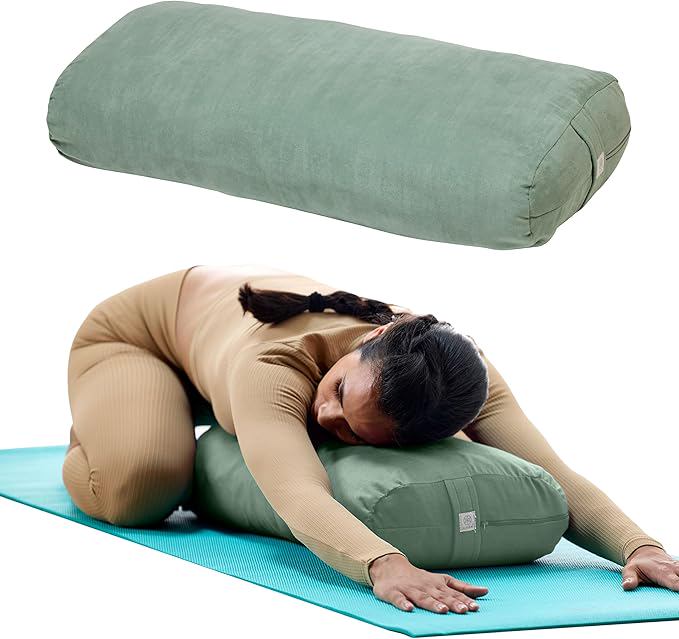
- Use external support: A yoga strap, block, or bolster can prevent you from going too deep into a stretch. For hips, a blanket under the outer thighs in Bound Angle can reduce strain on the pubic symphysis.
When to stop and when to call your doctor
Some sensations require immediate cessation of activity and medical evaluation. Stop your practice immediately and contact your obstetrician, a physical therapist specializing in pregnancy, or a sports medicine physician if you experience any of the following:
- Sharp, stabbing pain in any joint that radiates down a limb.
- Visible joint swelling, warmth, or redness (possible ligament tear or infection).
- Inability to bear weight on one leg without pain in the hip or pelvic joint.
- A popping or tearing sensation followed by immediate weakness or instability.
- Pain that prevents you from walking normally or rolling over in bed for more than one day.
Most early joint injuries from prenatal yoga resolve quickly with rest, ice, gentle movement adjustments, and avoiding the aggravating pose for 3–7 days. Your body’s ability to heal remains strong during pregnancy, but respecting the laxity of your joints is essential. If you listen to these early signals, you can continue to enjoy the many benefits of prenatal yoga without sidelining yourself with an injury that could have been prevented.