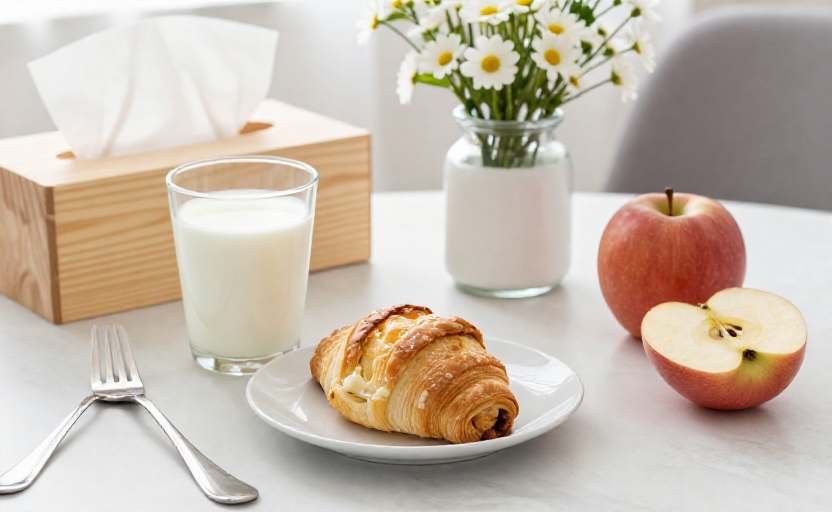
For many of us, breakfast is a comforting ritual. But if you find yourself reaching for the tissues more often after your morning meal, what's on your plate could be part of the problem. While we typically blame pollen, dust, and pet dander for our sniffles and itchy eyes, certain common breakfast foods can act as internal agitators, potentially amplifying the body's allergic response. Nutritionists point to a few specific culprits that, for some people, might turn a mild seasonal annoyance into a full-blown symptomatic flare-up.
The connection isn't about a direct food allergy to tree pollen, for instance. Instead, it involves a concept known as cross-reactivity and the inflammatory potential of certain foods. Some foods contain proteins that are structurally similar to seasonal allergens, which can confuse the immune system. Other foods promote the release of histamine—the very chemical your body produces during an allergic reaction—or create an inflammatory environment that makes your system more reactive overall. Understanding these links can help you make informed choices, especially during peak allergy seasons.
Which breakfast foods might be problematic?
Not every food will trigger every person, but these three categories are frequently flagged by nutrition experts for their potential to worsen allergy symptoms.
1. Certain Fruits and Vegetables (The Cross-Reactors)
This one feels particularly unfair. A bowl of fresh fruit or a green smoothie seems like the pinnacle of a healthy start. However, some raw fruits and vegetables contain proteins that mimic those found in common pollens. This is called Oral Allergy Syndrome (OAS). Your immune system, already on high alert from tree or grass pollen, may mistake the food protein for pollen and launch a localized reaction.
Common cross-reactive pairs include:
- Birch Pollen: Often cross-reacts with apples, pears, peaches, plums, cherries, carrots, celery, almonds, and hazelnuts.
- Ragweed Pollen: Can cross-react with bananas, melons (cantaloupe, honeydew), zucchini, and cucumber.
- Grass Pollen: May cross-react with tomatoes, oranges, and melons.
The reaction is usually mild and confined to the mouth and throat—think itching, tingling, or slight swelling. But during peak pollen season, this added immune stress can contribute to a feeling of heightened overall sensitivity. Cooking these fruits and vegetables often breaks down the problematic proteins, which is why you might tolerate apple sauce better than a raw apple.
2. Dairy Products
The classic glass of milk or yogurt parfait is a breakfast staple, but dairy is a common topic in allergy discussions. For some individuals, dairy can increase mucus production, making already congested sinuses feel thicker and more bothersome. More significantly, conventional cow's milk can be pro-inflammatory for certain people. Casein and whey, the proteins in milk, may stimulate an inflammatory response in sensitive individuals.
This low-grade inflammation can act like background noise for your immune system, making it quicker to overreact to environmental allergens like pollen. If your body is already dealing with inflammation from food, it has a lower threshold for triggering histamine release when it encounters an allergen. It's not that dairy causes the allergy, but it may worsen the symptomatic response.
If you suspect dairy, try omitting it for a week or two during high-pollen season and note any changes in congestion or sinus pressure.
3. Sugary Cereals, Pastries, and Juices
The quick, processed breakfast options are a double-whammy. First, refined sugars and flours can cause a rapid spike in blood sugar, followed by a crash. This rollercoaster triggers the release of inflammatory cytokines and stress hormones like cortisol, which can exacerbate systemic inflammation. A body in a pro-inflammatory state is generally more reactive.
Second, many of these items—like sugary yogurts, pastries, and sweetened cereals—are often made with ingredients that are themselves common cross-reactors (like wheat or certain nuts) or are high in additives and food colorings, which some sensitive individuals react to. Starting the day with a high-sugar meal essentially primes your system for a more volatile response to the allergens you'll encounter throughout the day.
What can you eat instead?
The goal isn't to create a restrictive diet out of fear, but to build an anti-inflammatory, supportive foundation during allergy season. Consider these gentler swaps:
- For Cross-Reactive Fruits: Opt for cooked or canned versions (like stewed apples or grilled peaches), or choose low-risk fruits like berries, grapes, or citrus if they aren't a trigger for you.
- For Dairy: Experiment with unsweetened almond, oat, or coconut milk alternatives. Look for fortified options to ensure you're still getting calcium and vitamin D.
- For Sugary Breakfasts: Choose whole, complex carbohydrates that digest slowly. Oatmeal topped with berries and seeds, a savory scramble with vegetables, or whole-grain toast with avocado provide steady energy without the inflammatory sugar spike.
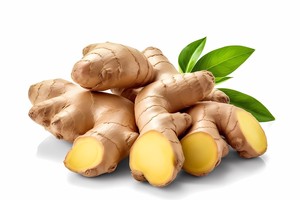
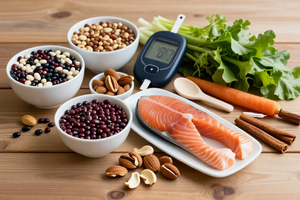
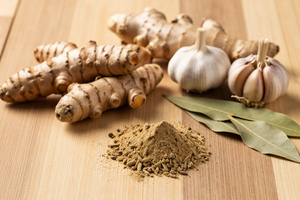
Focusing on foods rich in natural antihistamines and anti-inflammatory compounds can also be helpful. Think about incorporating quinoa, flaxseeds, turmeric, ginger, and fatty fish like salmon (if you eat fish) into your morning routine.
How to identify your personal triggers
Everyone's immune system is unique. The best approach is mindful observation.
Keep a simple food and symptom journal for a few weeks during allergy season. Note what you eat for breakfast and how your symptoms (sneezing, congestion, itchy eyes, fatigue) feel by mid-morning. Look for patterns. You might discover that a banana smoothie on a high-pollen day leaves you miserable, but oatmeal with blueberries feels fine.
It's always wise to discuss significant dietary changes or persistent symptoms with a healthcare provider, such as your doctor or a registered dietitian. They can help rule out true food allergies and provide personalized guidance.
Ultimately, managing seasonal allergies is often about layering strategies—managing your environment, considering medication if needed, and supporting your body with nourishing foods. Paying attention to your breakfast plate is one meaningful piece of that puzzle, helping you calm internal inflammation so your body is better equipped to handle the seasonal challenges outside.