When joints start to ache after a long day or feel stiff first thing in the morning, many people assume it’s just normal wear and tear or the beginning of arthritis. But sometimes those creaky knees and tight fingers are sending a different signal — one that points to a shortage of omega-3 fatty acids in your diet.
Omega-3s are essential fats that your body cannot produce on its own. They play a central role in managing inflammation, supporting cell membranes, and keeping your joints lubricated. When levels drop too low, the body can respond with symptoms that are easy to mistake for something else entirely. Here are two subtle signs of omega-3 deficiency that often get misread as plain old joint stiffness.
1. Morning Stiffness That Lingers Longer Than Usual
It is normal to feel a little creaky when you first roll out of bed — especially if you slept in an awkward position or didn’t move much during the night. But if that tight, achy sensation takes longer than half an hour to ease up, or if it feels like your joints are stuck in slow motion, it might be worth looking at your omega-3 intake.
Omega-3 fatty acids, particularly EPA and DHA, help regulate the body’s inflammatory response. When your diet lacks enough of these fats, the production of certain signaling molecules (called resolvins and protectins) goes down. Those molecules are responsible for actively turning off inflammation once it is no longer needed. Without enough resolvins, low-grade inflammation can hang around longer than it should — and it often settles in the joints.
Morning stiffness that lasts 30 minutes or more, especially in the hands, knees, or lower back, can be one of the earliest signs that your omega-3 reserves are running low. Unlike the brief stiffness that resolves after a few steps, this type feels more stubborn and may even improve only after you’ve been moving for an hour or so.
Why This Mimics Joint Stiffness
The sensation is almost identical to the morning stiffness seen in mild osteoarthritis or early rheumatoid arthritis. The difference is that omega-3-related stiffness tends to be diffuse (affecting several joints on both sides of the body) and often comes without visible swelling or warmth. It is not a disease — it is a nutritional gap that creates an inflammatory environment.
Tip from the editor: Keep a simple log for one week. Note how long morning stiffness lasts after you get up. If it consistently takes more than 30 minutes to ease, omega-3 status is worth investigating.
2. A Deep, Aching Sensation in the Knees or Fingers After Inactivity
The second subtle sign is a dull, deep ache that appears after periods of inactivity — not just in the morning, but also after sitting at a desk for two hours or after a long car ride. It feels different from the sharp, sudden pain of an injury. Instead, it is a persistent, low-level discomfort that seems to live inside the joint itself.
This type of pain is linked to how omega-3s support joint lubrication. The synovial fluid that cushions your joints contains fats, and when omega-3s are scarce, the fluid’s quality can change. It becomes less effective at reducing friction between cartilage surfaces, which means joints feel drier and stiffer after you have been still for a while.
People often describe this as “my knees feel rusty” or “my fingers feel tight when I start typing again.” Unlike the sharp twinge of a ligament strain, this ache is vague — it is hard to pinpoint exactly where it hurts. It simply feels like the joint is irritated from lack of movement.
How This Differs from Arthritis
True arthritis often involves visible inflammation, redness, warmth, or swelling around the joint. Omega-3 deficiency-related achiness tends to be internal — the joint feels sore, but there is no obvious heat or puffiness. It also tends to fluctuate. Some days it feels much better, especially after a day of eating fatty fish or taking a fish oil supplement. That fluctuation is a clue that the root cause might be nutritional rather than structural.
In one well-known study, researchers found that participants with higher omega-3 blood levels reported significantly less joint pain and stiffness after periods of rest compared to those with lower levels. But these findings are about comfort and function — not about treating a diagnosed condition. The difference matters because it changes what you do next.
What to Do If These Signs Sound Familiar
If the symptoms described above ring true for you, it does not automatically mean you need a prescription or a radical diet change. But it does suggest that omega-3 intake is worth evaluating. The best next steps are practical and low-risk:
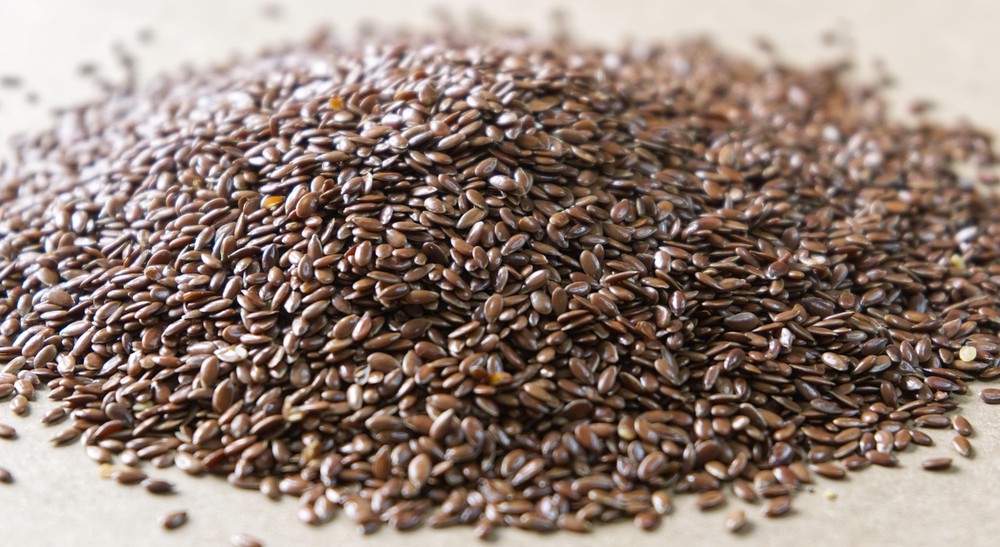
- Audit your diet for omega-3 sources. Fatty fish like salmon, mackerel, sardines, and anchovies are the richest sources of EPA and DHA. Plant-based sources like flaxseed, chia seeds, and walnuts provide ALA, which your body converts to EPA and DHA — but the conversion rate is low. For many people, getting enough from food alone is challenging.
- Consider a fish oil or algae oil supplement. If you consistently eat fewer than two servings of fatty fish per week, a supplement may help fill the gap. Look for products that list the amount of EPA and DHA specifically (not just total fish oil). Algae-based oils offer a plant-based alternative that provides DHA directly.
- Give it time. Omega-3 levels in cell membranes do not change overnight. It usually takes six to eight weeks of consistent intake to notice a difference in joint comfort. Stick with it and re-evaluate after two months.
- Rule out other causes. If stiffness persists after improving omega-3 intake, or if you notice swelling, redness, or fever, consult a healthcare professional to assess for underlying conditions like arthritis or autoimmune issues.
How to Tell If It Is Really Omega-3 Deficiency
Because these two symptoms — lingering morning stiffness and deep aching after inactivity — overlap so much with other conditions, it is easy to dismiss them as just getting older or sitting too much. The best way to distinguish them is to look at the whole picture:
- Check for visible signs of inflammation. No swelling, redness, or warmth suggests a metabolic or nutritional cause rather than an inflammatory disease.
- Note whether the stiffness is symmetrical. Omega-3 deficiency tends to affect both sides of the body equally (both hands, both knees).
- Ask whether the symptoms improve after you eat fatty fish or take a supplement for a few weeks. That kind of response is highly suggestive of low omega-3 status.
Omega-3 deficiency is surprisingly common. According to data from the National Institutes of Health, most adults in the U.S. consume far less than the recommended amount of EPA and DHA each week. If your joints have been feeling stiffer and achier for no clear reason, it is worth considering whether your diet is quietly running low on these essential fats.
The takeaway is simple: before you assume your joints are simply getting older, take a closer look at what is on your plate. Sometimes the most effective fix for joint discomfort is in the kitchen — not the medicine cabinet.