You finished a solid workout, but the real ache settled in later—after you sat at your desk for hours. That familiar stiffness in the knees can make standing up feel like a negotiation. While moving more during the day is the long-term fix, what you drink right after exercise can help calm the joint inflammation that sitting aggravates.
Here are two evidence-backed drinks that target that deep, seated soreness. They work by reducing oxidative stress and supporting the tissues that cushion your knees.
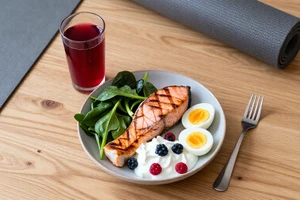
1. Tart Cherry Juice
Tart cherry juice is one of the best-researched drinks for post-exercise recovery, especially when joint pain is involved. It doesn't just hydrate—it delivers a concentrated dose of anthocyanins, anti-inflammatory compounds that can reduce muscle damage and joint tenderness.
A study in the Journal of the International Society of Sports Nutrition found that runners who drank tart cherry juice for seven days before a race reported significantly less pain afterward. The effect comes from lowering markers like C-reactive protein and uric acid, both of which tend to spike after intense movement.
For sore knees aggravated by sitting, the benefit is twofold: you reduce the immediate inflammatory response from exercise, and you help the joint handle the stiffness that builds when you stay stationary. Look for pure, unsweetened tart cherry juice, not a blend or cocktail with added sugar.
A 10–12 ounce serving post-workout is a good starting point. Dilute it with water or seltzer if the tartness is too strong—it still works.
The key is consistency. One glass after each workout session helps keep inflammation from settling into your knees overnight.
2. Matcha Green Tea
Matcha is green tea ground into a fine powder, so you ingest the whole leaf. That means you get a much higher concentration of catechins—antioxidants that fight inflammation at the cellular level.
One catechin in particular, epigallocatechin gallate (EGCG), has been shown in multiple trials to reduce markers of osteoarthritis and post-exercise joint swelling. For knees that feel tight and achy after sitting, EGCG can help prevent the low-grade inflammation from turning into more serious stiffness.
Matcha also contains L-theanine, an amino acid that promotes a calm, focused state. That can be useful if you tend to feel restless or tight while sitting still after a workout—the drink supports both joint recovery and mental downtime.
How to prepare it for post-workout
Do not add milk. Casein proteins in dairy bind to the catechins and drastically reduce absorption. Instead, whisk the powder with hot water (just under boiling) and drink it plain or with a squeeze of lemon. A single teaspoon per serving is enough.
Drink it within 30 to 60 minutes after your workout window, before you settle into long periods of sitting. The antioxidants peak in your bloodstream about two hours after consumption, which aligns well with the period when knee stiffness often creeps in.
Putting them together (and what to avoid)
You don't have to choose only one. A good routine is to drink tart cherry juice immediately after exercise, then have a cup of matcha an hour later as you start your desk work or commute.
What you do not want are high-sugar sports drinks or heavily processed protein shakes. Sugar drives inflammation and counteracts the benefits of both cherry juice and matcha. Water is still the baseline—these drinks are additions, not replacements for proper hydration.
Why sitting makes knee pain worse
When you sit for long periods, your knee joint stays bent at a fixed angle. Synovial fluid—the lubricant that nourishes cartilage—thickens and becomes less effective. If you already have minor inflammation from a workout, the sitting period can amplify it because the joint isn't moving to circulate fluid and flush waste products.
Both tart cherry juice and matcha work partly by supporting synovial fluid health. The anti-inflammatory compounds help keep that fluid more viscous and less prone to breakdown, which reduces the grinding sensation some people feel when they stand up.
The bigger picture for knee joint health
These drinks help after the fact, but they work best when paired with a few simple movement habits:
- Stand up and walk every 30 to 45 minutes, even if only for 60 seconds.
- Do gentle knee bends or leg swings while standing to re-activate circulation.
- Keep post-workout stretching focused on the quadriceps and hamstrings—tightness in either pulls on the kneecap.
Knee soreness after sitting is a sign that the joint needs both anti-inflammatory support and more movement variety. The drinks are a tool, not a cure. Listen to what your knees tell you—if discomfort persists beyond a few days or is sharp rather than achy, see a physical therapist or sports medicine provider.