Daily bodyweight exercises build serious functional strength, but they also place repetitive stress on your knees, wrists, shoulders, and hips. Without proper recovery, the joints that support your push-ups, squats, and lunges can start to complain—not with injury, necessarily, but with stiffness, crepitus, or a low-grade ache that refuses to fade.
What you drink after training matters more than most people realize. The right post-workout beverage can reduce inflammation, support cartilage repair, and replenish the fluids that keep your synovial joints lubricated. Below are two drinks that target joint health specifically for athletes who rely on bodyweight resistance every day.
Why bodyweight training stresses your joints differently
Unlike lifting a barbell, where the load is external and somewhat predictable, bodyweight exercises require your joints to stabilize through a full range of motion under your own mass. Hundreds of push-ups or deep squat holds generate cumulative micro-trauma in the connective tissue. Hydration and targeted nutrients become your first line of defense.
Your joints depend on synovial fluid—a thick, nutrient-rich liquid that cushions the ends of bones. Dehydration thins this fluid, reducing shock absorption. Meanwhile, inflammation from repeated muscle contractions can spill over into the joint capsule. The drinks below aim to put those imbalances.
Drink 1: Tart cherry juice concentrate with sparkling water
What it does for your joints
Tart cherry juice is rich in anthocyanins, a class of flavonoids with anti-inflammatory properties. A 2023 systematic review in the Journal of the International Society of Sports Nutrition found that tart cherry supplementation significantly reduced markers of inflammation and muscle soreness after resistance and endurance exercise. For daily bodyweight athletes, that translates to less post-training joint stiffness and faster recovery for high-repetition movements like burpees or pull-ups.
The anthocyanins also inhibit cyclooxygenase-2 (COX-2) enzymes, similar in mechanism to non-steroidal anti-inflammatories—though much gentler on the stomach. This matters for joints because chronic low-grade inflammation breaks down cartilage over time.
How to use it
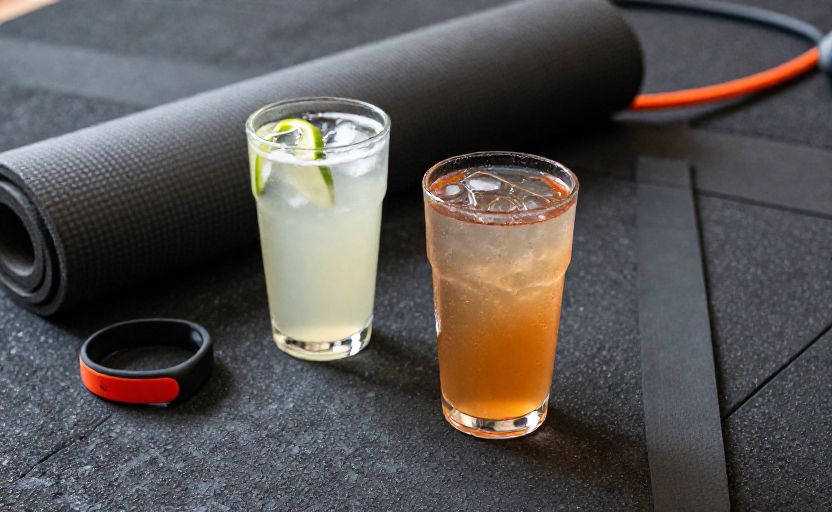
Mix 1 to 2 ounces of unsweetened tart cherry concentrate with 6 to 8 ounces of cold sparkling water. Drink it within 30 to 60 minutes after your workout. You can also blend it with a scoop of collagen peptides (see Drink 2) for a dual-action recovery shake.
Look for concentrate without added sugars or artificial flavors. The tartness is part of the therapeutic profile—sweetening it defeats the purpose.
Drink 2: Collagen peptides with vitamin C
What it does for your joints
Collagen is the primary structural protein in cartilage, tendons, and ligaments. As you age—and especially under daily training stress—your body's natural collagen production slows down. Supplementing with hydrolyzed collagen peptides provides the specific amino acids (glycine, proline, and hydroxyproline) your body needs to repair connective tissue.
Research supports this. A 2021 meta-analysis in Nutrients concluded that collagen supplementation improved joint pain and function in physically active adults. The effects were most pronounced with doses of 10 to 15 grams per day taken 30 to 60 minutes after exercise—when circulation to joints is elevated.
Why vitamin C matters
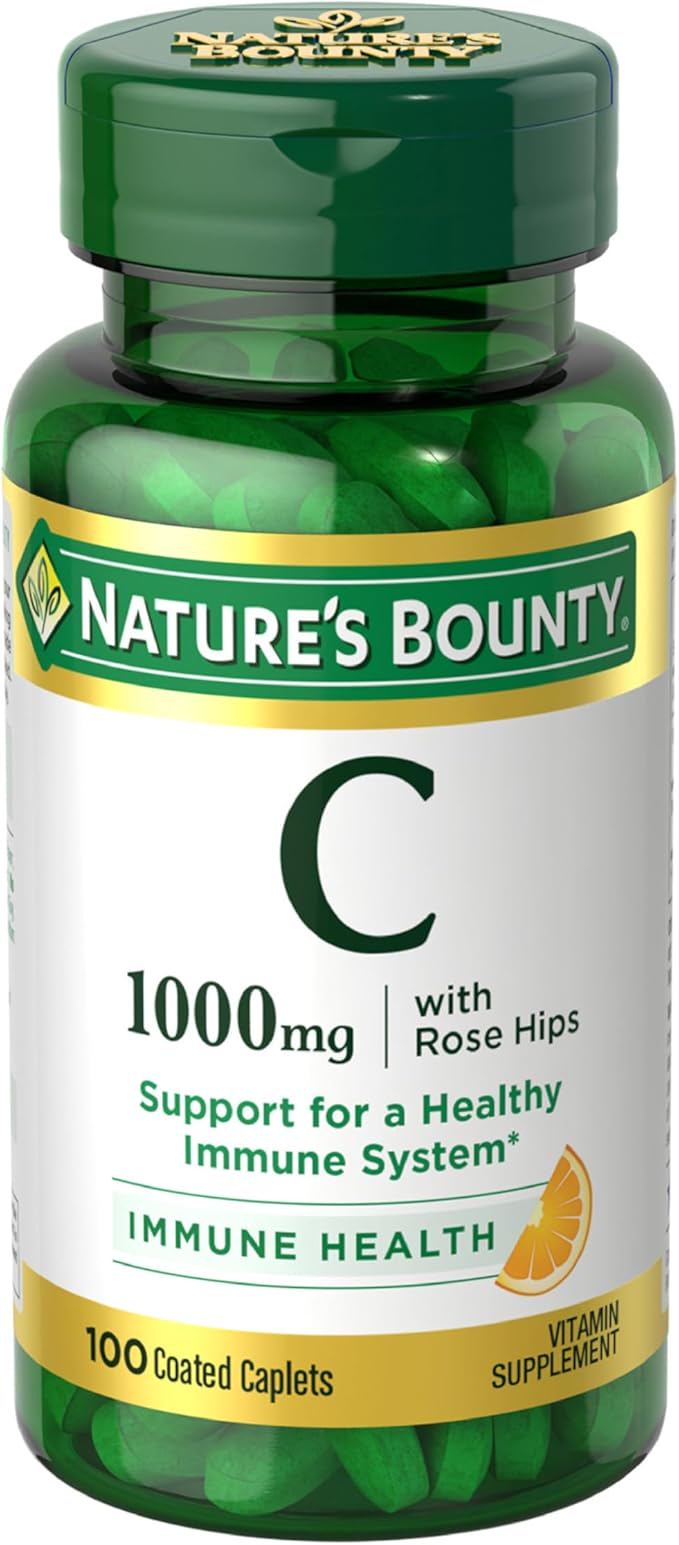
Vitamin C is a necessary cofactor for collagen synthesis. Without adequate vitamin C, your body cannot form cross-links between collagen fibers, making new tissue weak and brittle. Adding a squeeze of fresh lemon or a small orange to your collagen drink significantly boosts bioavailability.
How to use it
Stir a scoop of unflavored hydrolyzed collagen powder into warm water (not boiling—heat above 140°F can degrade the peptides). Add a tablespoon of fresh lemon juice. Drink it immediately after your workout. For a savory variation, dissolve the collagen into a cup of bone broth, which naturally contains additional gelatin and minerals.
Avoid collagen products with added sweeteners or flavorings that mask the taste. The simpler the ingredient list, the better.
How these drinks complement daily bodyweight training
Neither drink is a cure-all, but together they address two distinct recovery needs. Tart cherry juice attenuates the inflammatory cascade triggered by repetitive eccentric loading—think controlled descents in push-ups or squats. Collagen with vitamin C provides the raw materials for rebuilding the connective tissue that those same movements stress.
If you train bodyweight exercises daily, your recovery window is narrower than someone who trains three or four times per week. Your drinking window matters just as much as your form. Consuming either of these drinks within an hour after training aligns with your body's peak anabolic sensitivity for joint repair.
One practical note: alternate the drinks across training days rather than stacking them immediately after every session. Your body digests concentrated nutrients better when they are spaced out. For example, have tart cherry water after your Monday circuit, enjoy collagen lemon water after Tuesday's core work, and so on.
Additional considerations for long-term joint health
No drink replaces the basics. Keep your total daily water intake between 2.7 and 3.7 liters (for most adults), depending on sweat loss. Prioritize sleep, because cartilage repair is driven by growth hormone released during deep sleep cycles. And listen to sharp pain—that is different from dull post-workout soreness.
If you have a history of kidney stones, be cautious with tart cherry juice due to its oxalate content. Likewise, collagen supplements are safe for most people, but those with phenylketonuria or sensitive digestion should check with a professional before using them consistently.