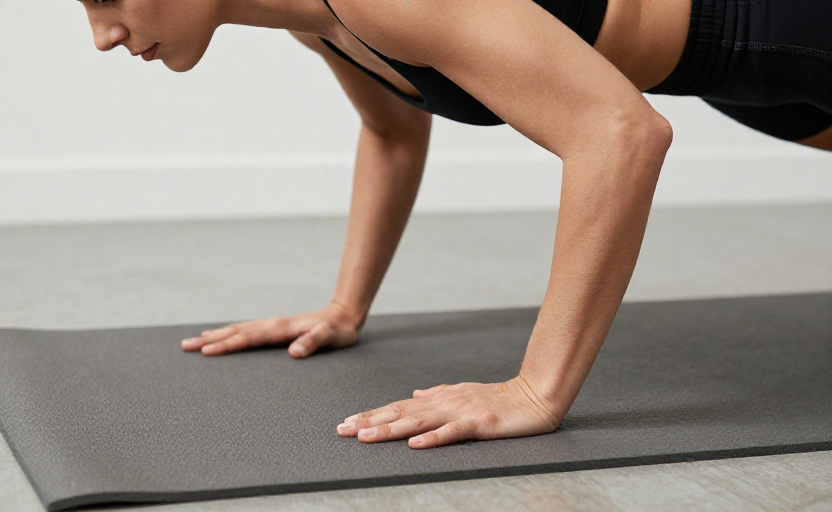
That dull ache in your wrist after a solid set of push-ups, a long plank hold, or a downward dog might feel like the price of progress. But wrist pain isn't a trophy—it's a signal. If you're working out frequently and your wrists keep complaining, odds are you've picked up a couple of habits that are quietly cranking up the strain. The good news? Both are fixable with small, deliberate changes.
Let's look at the two most common culprits I see in the gym and on the mat, and exactly what to do instead so you can keep training without wincing every time you put weight on your hands.
Habit #1: Letting Your Hands Flare Out During Weight-Bearing Exercises
Here's a quick test. Next time you're in a plank or about to do a push-up, glance at your hands. Are your fingers pointing straight ahead, or are they turned outward like a duck's feet?
That outward flare is incredibly common. It feels natural because it opens up the chest and takes some tension off the shoulders. But it's a trade-off—your wrist ends up in a position called extreme ulnar deviation (bending toward your pinky side). Over time, this puts uneven pressure on the small carpal bones and the soft tissue around them. During frequent workouts, that pressure compounds and can lead to tendinitis or joint irritation.
The fix: Aim for a neutral wrist alignment. Think of your middle finger pointing straight ahead, and keep your wrists in line with your forearms. If you're doing a push-up or plank on the floor, press through the base of your index finger and thumb—that naturally cues your wrist into a safer angle.
When Neutral Feels Impossible
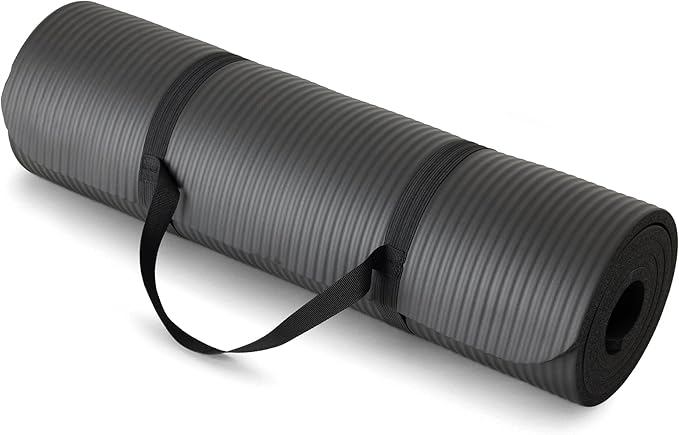
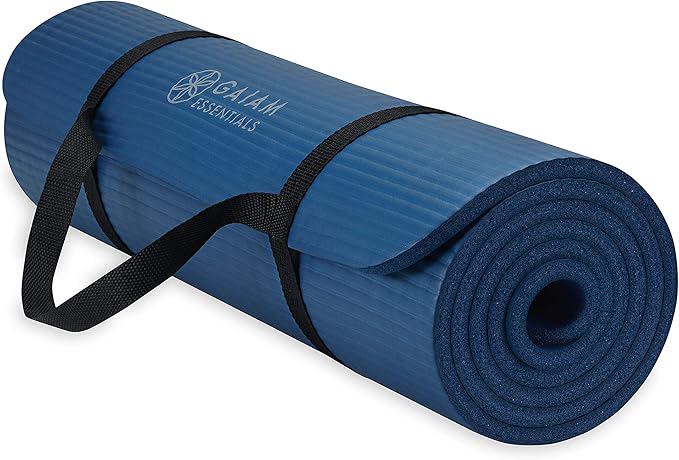
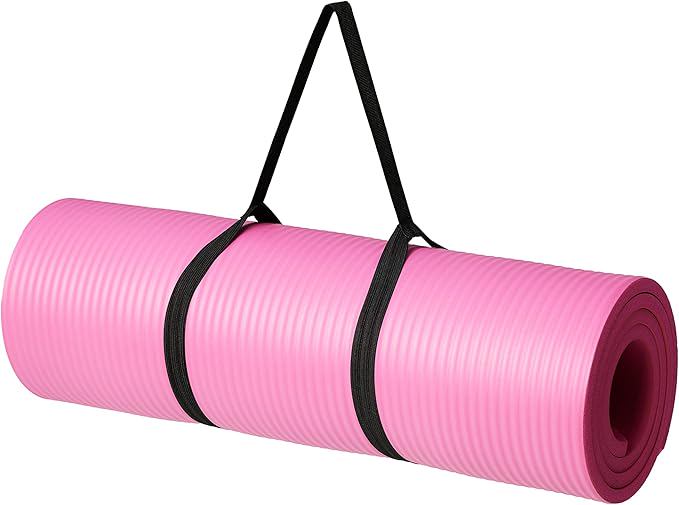
If your wrist mobility is limited (common if you've had a past sprain or spend a lot of time typing), forcing a straight-at-the-wall position can hurt just as much. That's where a small ramp or wedge can help. Place it under the heel of your palm so your wrist rests in a slightly elevated position, reducing the angle of extension. Even a rolled-up yoga mat or towel under the palm can take the edge off while you build mobility.
Habit #2: Squeezing the Floor or the Bar Too Rigidly
You've been told to grip tight for stability. And yes, a solid grip matters—but there's a difference between active engagement and death-grip tension. When you press your palms hard into the floor during yoga or grip the pull-up bar as if you're hanging off a cliff, you overload the flexor tendons that run through the carpal tunnel. Those tendons share real estate with the median nerve, and when they're constantly inflamed from repetitive, high-tension gripping, you can end up with tingling, numbness, or a deep ache in the wrist and palm.
The second part of this habit is subtle: many people unconsciously lock their elbows when gripping hard, which transfers more load to the wrists instead of distributing it up the arm. The wrist becomes the bottleneck for force that should be moving through the entire kinetic chain.
The fix: Practice what I call a "responsive grip." Squeeze enough to feel stable, but leave a tiny pocket of air in the center of your palm. Think about spreading your weight across the whole hand—not just the heel of the palm—so the load is shared. On a bar, wrap your thumb around and keep your wrists neutral (not bent back). If you notice your knuckles turning white, ease off.
Strength Without Strain
One drill that helps: do a set of push-ups on your fists (with wrists straight) or on dumbbells (gripping the handles, not the floor). This forces your wrist into neutral and bypasses hyperextension. Start with a few reps on your knees if full push-ups feel too intense. Over a few weeks, your wrists learn to tolerate load without bracing into extreme positions.
A Quick Check Before Your Next Workout
Here's a short routine to prep your wrists before you put weight on them. It takes about two minutes and can make a real difference in how they feel during and after your session.
- Wrist circles — 10 each direction, slow and full range of motion.
- Prayer stretch — Press palms together at chest height, lower hands toward the floor until you feel a gentle stretch in the underside of the wrists. Hold 15 seconds.
- Reverse prayer — Bring the backs of your hands together at belly height, fingertips pointing down, and slide them upward. Hold 15 seconds.
- Finger extensions — With your palm facing you, gently pull the fingers back toward the forearm to open up the front of the wrist. Hold 10 seconds per side.
If you're doing a class or following a video, tack this onto the warm-up before the first plank or push-up. Your wrists will thank you.
When to Scale Back
Not all wrist pain is mechanical. If you feel sharp pain, heat, or swelling, or if the ache doesn't subside after a few days of modifying your form, take it seriously. Frequent workouts can mask an injury that needs time to heal. In that case, drop weight-bearing exercises for a week and focus on wrist-friendly alternatives like overhead presses (dumbbells, not barbells), cable push movements, or leg-strength work. See a physical therapist or sports medicine professional if the pain persists.
Your wrists are small joints doing big work. Treat them with the same respect you give your knees or shoulders—adjust your habits early, and you'll save yourself from a lot of frustration down the road.