
You log the miles, follow your training plan, and push through tough intervals. But if your legs still feel heavy three days later, or you’re dragging through easy runs, the problem might not be your workout—it’s what you do (or don’t do) in the hours and days after. Recovery isn’t just about rest; it’s about the small habits that either help your body repair or quietly undermine every bit of progress you’ve made.
After working with runners of all levels, two particular habits consistently emerge as recovery wreckers. The good news? Once you spot them, the fixes are straightforward—and they’ll leave you feeling stronger, fresher, and ready for your next run.
The First Saboteur: Skimping on Protein After Your Run
You probably know you need protein to build muscle, but the timing matters more than most runners realize. After a workout, your muscles are like a sponge—they’re primed to take in amino acids to repair the micro-tears caused by running. If you wait too long, or don’t get enough protein at all, that repair process slows down.
Common excuses I hear: “I’m not hungry after a run,” or “I’ll just eat a big dinner.” The problem is that your body’s repair window is narrowest in the first 30 to 60 minutes post-run. A protein-rich snack or shake during that window can make a noticeable difference in how you feel the next day.
What to Do Instead
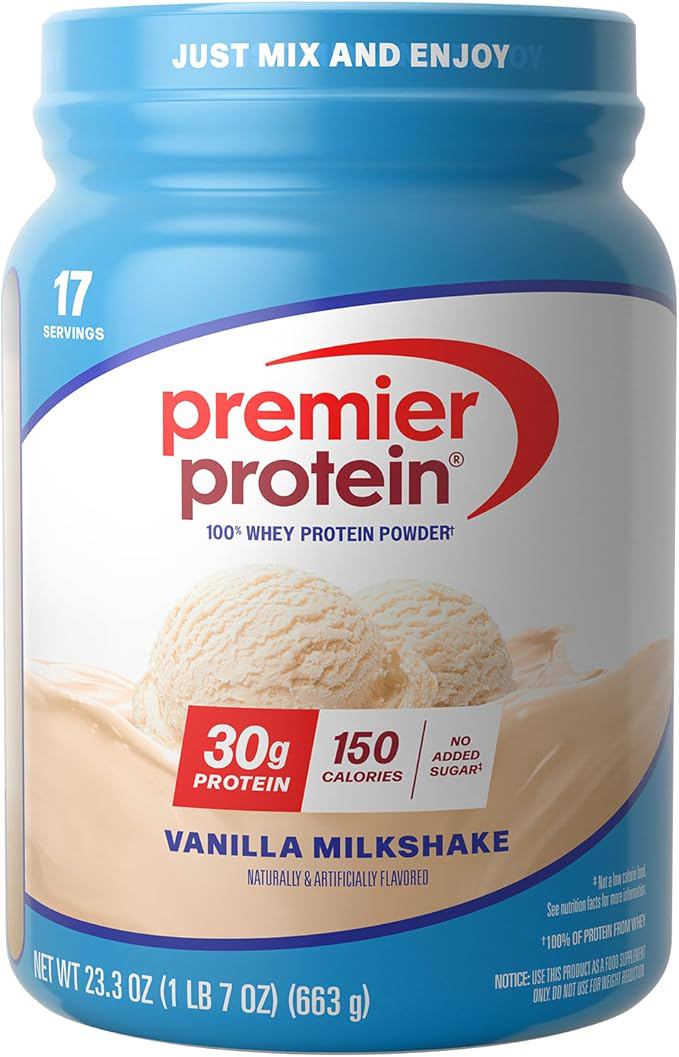
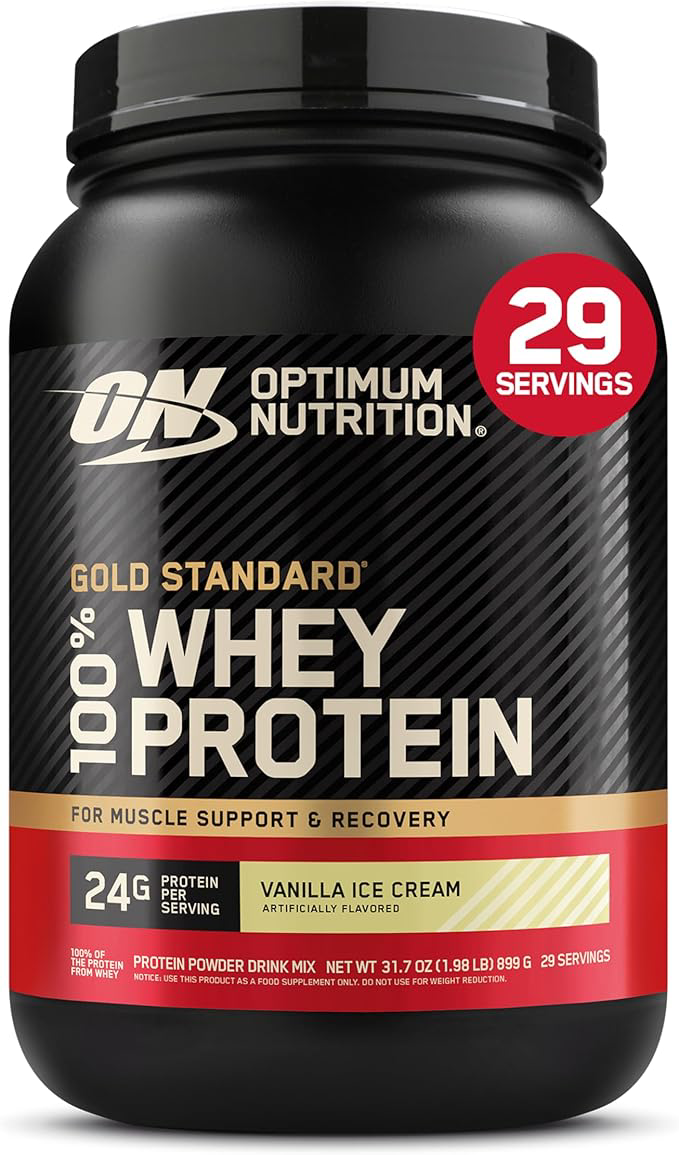
Aim for roughly 15 to 25 grams of protein within an hour of finishing your run. This doesn’t mean you need a fancy supplement. Good options include:
- A smoothie with Greek yogurt or a scoop of whey or plant protein
- Chocolate milk (yes, the classic works—it has a solid carb-to-protein ratio)
- Two hard-boiled eggs with a piece of fruit
- A small can of tuna or a chicken breast on whole-grain bread
The key is consistency. Make it a habit, like tying your shoes before you head out the door.
“Your muscles don’t care if it’s a shake or real food—they just need amino acids soon after you finish.”
The Second Saboteur: Ignoring Active Recovery Days
Many runners fall into an all-or-nothing trap: they either run hard or sit on the couch. But complete rest, while necessary sometimes, isn’t always optimal. On off days, your blood flow slows, and that means fewer nutrients and oxygen are being delivered to tired muscles. The result? Stiffness lingers, and your next run feels harder than it should.
Active recovery—gentle movement that increases circulation without adding stress—can speed up the removal of metabolic waste products and reduce muscle soreness. It’s not about being lazy; it’s about being smart.
What to Do Instead
On the day after a hard workout or long run, do something that keeps your body moving without raising your heart rate too much. Ideas include:
- A 20- to 30-minute walk at a comfortable pace
- Easy cycling or using a stationary bike with low resistance
- Swimming or water jogging (the buoyancy takes pressure off joints)
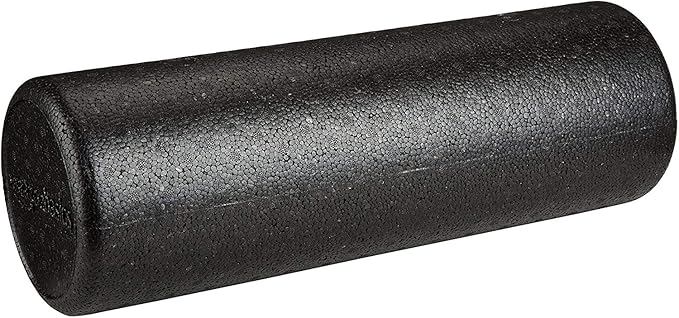
- Gentle yoga or foam rolling—focus on relaxed breathing, not deep stretching
The goal is to feel better afterward, not more tired. If you’re not sure whether you’re pushing too hard, use a simple talking test—you should be able to hold a full conversation without gasping.
These two habits may seem small, but they add up. When you consistently refuel with protein after runs and include active recovery between hard efforts, your body adapts more efficiently. You’ll notice less lingering soreness, more energy for your next workout, and a lower risk of overuse injuries.
Remember: recovery isn’t a luxury or a sign of weakness. It’s where the real gains happen. Give your body the raw materials and gentle movement it needs, and it will reward you with better performance and a longer running life.