Omega-3 fatty acids are celebrated for their role in supporting heart, brain, and joint health, yet many of us fall short of the recommended intake. While supplements are a popular solution, they aren't the only path. With a few intentional, daily habits, you can significantly improve your omega-3 intake using the foods already available to you.
This approach centers on consistency and simple swaps, turning what might feel like a dietary chore into a seamless part of your routine. Let's explore two foundational habits that can help you tap into the benefits of omega-3s without ever opening a capsule.
Habit 1: Make Fatty Fish a Weekly Anchor
The most direct way to get the long-chain omega-3s EPA and DHA is from seafood. The key is moving fish from an occasional meal to a reliable staple. This doesn't mean eating salmon every single day, but rather establishing a predictable rhythm that ensures you're getting a meaningful dose each week.
Aim to include a serving of fatty fish at least twice a week. A "serving" is typically about 3.5 ounces cooked, roughly the size of a checkbook. The goal is consistency, not perfection.
Think of it as a weekly appointment with your health—schedule it just like you would any other important commitment.
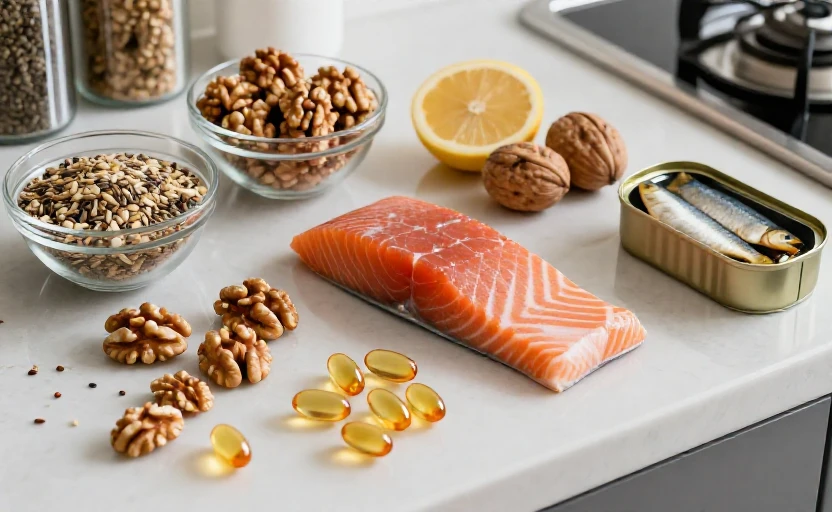
Variety is both the spice of life and the secret to a broader nutrient profile. While salmon is the poster child, don't overlook other excellent sources:
- Mackerel: Often more affordable than salmon and incredibly rich in omega-3s.
- Sardines: A powerhouse of nutrition, conveniently canned and sustainable.
- Anchovies: A flavorful punch that can elevate salads, pizzas, and dressings.
- Herring: A classic pickled or smoked option.
- Albacore Tuna: Choose chunk light for lower mercury content.
- Rainbow Trout: A mild, versatile freshwater option.
If the thought of cooking fish feels daunting, remember simplicity wins. A filet baked with lemon and herbs, a quick pan-sear, or even adding canned salmon to a salad or making a sardine toast are all effortless ways to meet your goal. The habit is in the planning—adding these items to your grocery list each week.
Habit 2: Seamlessly Weave in Plant-Based ALA
While fish provides EPA and DHA, your body can also convert a plant-based omega-3 called ALA (alpha-linolenic acid) into these active forms, though less efficiently. By making ALA-rich foods a daily habit, you create a supportive, foundational layer of omega-3s in your diet. The trick is to incorporate them into foods you already eat.
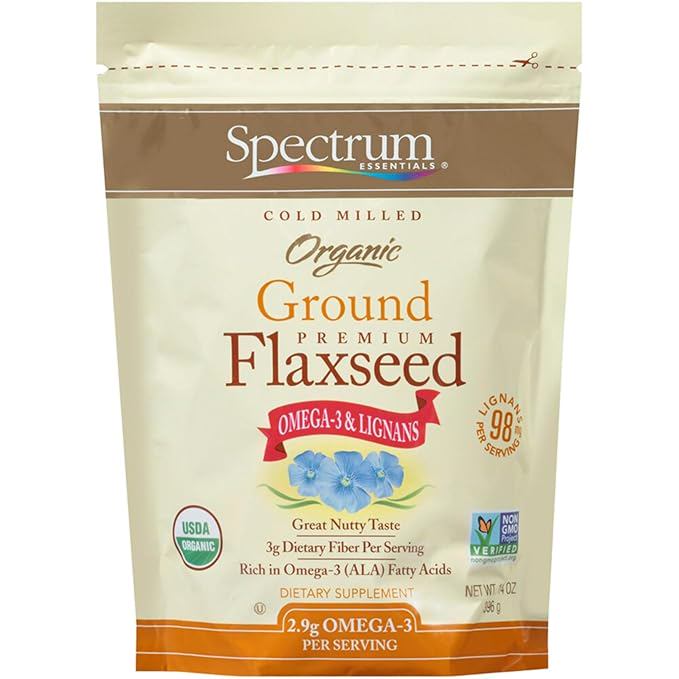
This habit is about becoming a stealthy sprinkler. Keep a jar of ground flaxseed or chia seeds on your kitchen counter or in your pantry. Their mild, nutty flavor blends easily into a variety of dishes without altering the taste profile.
Here’s how to make it automatic:
- At Breakfast: Stir a tablespoon into your oatmeal, yogurt, or smoothie.
- At Lunch: Mix a spoonful into your chicken or tuna salad, or sprinkle it over a soup.
- At Dinner: Use it as a "breading" mixed with herbs for baked chicken, or fold it into meatballs or veggie burger patties.
- In Baking: Replace a small portion of flour in muffins, pancakes, or bread with ground flaxseed.
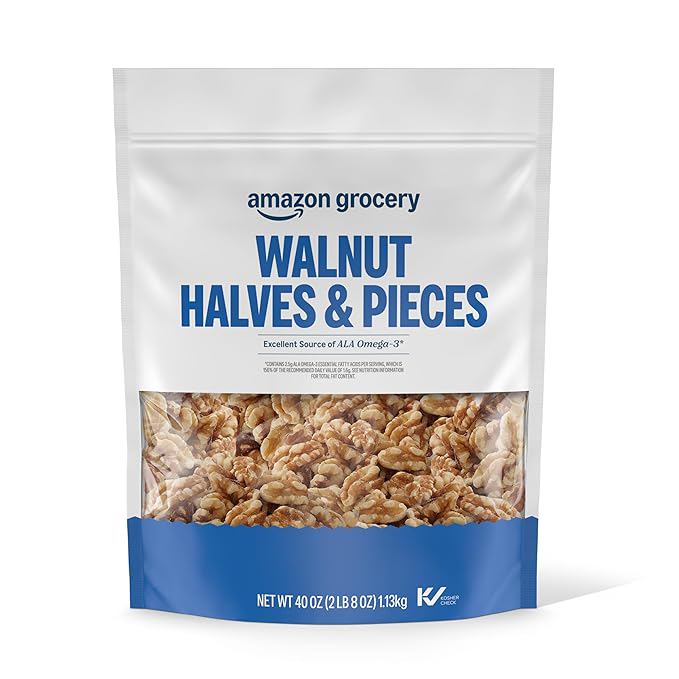
Other excellent plant-based sources to rotate in include walnuts (a handful makes a great snack), hemp hearts, and canola or soybean oil for cooking. The habit isn't about eating large quantities of any one thing, but about the cumulative effect of small, daily additions.
Why These Two Habits Work Together
Focusing on these two areas creates a complementary strategy. The fatty fish habit delivers a direct, potent dose of the omega-3s your body can use immediately. The plant-based habit provides a constant, background supply of ALA and supports overall healthy fat intake.
This dual approach also offers flexibility. On weeks where fish isn't on the menu as often, you can lean more heavily on your daily sprinkles of seeds and nuts. It’s a system designed for real life, not a rigid diet plan.
A Note on Balance and Absorption
Omega-3s don't work in isolation. Their benefits are partly about balancing your intake of other fats, particularly omega-6 fatty acids, which are abundant in many vegetable oils and processed foods. By increasing omega-3-rich whole foods, you naturally help improve this ratio.
Furthermore, pairing your omega-3 foods with other nutrients can enhance their benefits. Consuming them with a source of vitamin E (found in nuts, seeds, and leafy greens) can help protect these delicate fats. Including them in a meal with other healthy fats, like those from avocado or olive oil, can also aid in their absorption.
Improving your omega-3 intake is less about a dramatic overhaul and more about the quiet power of repeated, simple choices. By anchoring your week with fatty fish and sprinkling in seeds daily, you build a sustainable pattern that nourishes your body consistently, meal by meal.