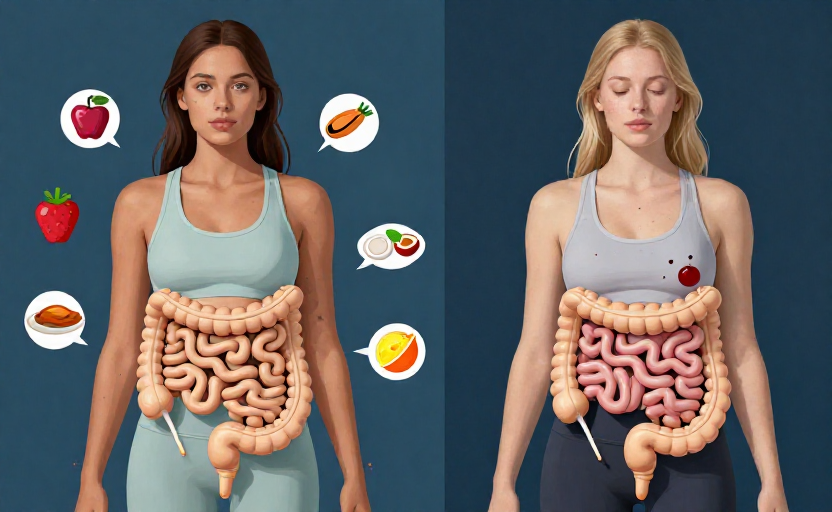
We often think about food in terms of calories, macronutrients, and vitamins. But there’s another, more complex dimension to consider: how what we eat feeds the trillions of microorganisms living in our digestive tract, collectively known as the gut microbiome. This internal ecosystem plays a crucial role in digestion, immune function, and even mood regulation. While many of us focus on adding beneficial foods, it’s equally important to recognize how common, well-intentioned dietary patterns can inadvertently disrupt this delicate balance. Two mistakes, in particular, are surprisingly pervasive and can quietly undermine gut health.
Mistake 1: Over-Reliance on Ultra-Processed Foods
It’s no secret that heavily processed snacks, sugary cereals, and ready-made meals aren’t health foods. Yet, their convenience makes them staples in many diets. The problem for your gut goes beyond just empty calories. These foods are typically low in the dietary fiber that our gut bacteria thrive on. Fiber acts as a prebiotic—a food source for beneficial bacteria like Bifidobacteria and Lactobacilli. When these microbes are starved of fiber, their populations can dwindle.
Simultaneously, many ultra-processed foods contain an array of emulsifiers, artificial sweeteners, and preservatives. Emerging research suggests some of these additives may alter the gut environment in unfavorable ways. For instance, certain emulsifiers, designed to improve texture and shelf-life, might damage the protective mucus layer lining the gut and even promote low-grade inflammation. This can create a less hospitable environment for good bacteria and potentially allow less desirable microbes to flourish.
Think of it as tending a garden: you’re not only failing to fertilize the soil (with fiber), but you might also be inadvertently adding substances that harm the plants you want to grow.
Mistake 2: Following Excessively Restrictive Diets
In the pursuit of health or weight loss, it’s easy to fall into a pattern of eating a very narrow range of “approved” foods. Whether it’s cutting out entire food groups like grains or legumes, or simply eating the same few “safe” meals repeatedly, this lack of dietary diversity is a major issue for microbiome diversity.
A robust and resilient gut microbiome is a diverse one, with many different species of bacteria, each with their own roles. Different types of fiber and plant compounds from a wide variety of fruits, vegetables, whole grains, nuts, and seeds feed different microbial communities. When your diet becomes monotonous, you’re essentially feeding only a subset of your gut residents. Over time, this can lead to a reduction in overall microbial diversity, which is linked to poorer gut health and reduced resilience.
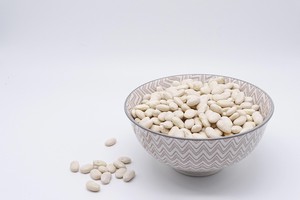
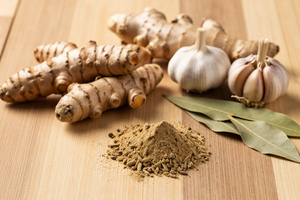
This doesn’t mean you must eat everything. Food sensitivities and allergies are real and must be respected. The mistake lies in unnecessary restriction—elimishing foods like onions, garlic, beans, or whole grains without a medical reason, simply because they are deemed “bloating” or “high-carb,” can rob your microbiome of valuable fuel sources.
What a Gut-Supportive Shift Looks Like
Correcting these mistakes isn’t about a radical overnight change, but a series of mindful shifts. Start by examining where ultra-processed foods fit into your routine. Could that afternoon snack bar be swapped for a handful of nuts and an apple? Could one ready-made meal a week be replaced with a simple, home-cooked dish featuring legumes and vegetables?
To address dietary monotony, try the “add-in” approach instead of focusing on cut-outs. Aim to incorporate a wider variety of plant-based foods across the week. This doesn’t require exotic ingredients. It could be as simple as:
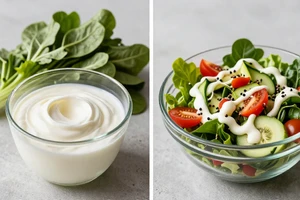
- Switching from always eating romaine to trying spinach, arugula, or kale in your salads.
- Adding a tablespoon of mixed seeds (like flax, chia, or pumpkin) to your breakfast.
- Choosing a different colored vegetable each time you shop—red bell peppers one week, purple cabbage the next, orange sweet potatoes the following.
- Experimenting with different whole grains like quinoa, farro, or oats if you typically only eat brown rice.
These small, consistent actions provide a broader menu of nutrients and fibers for your gut microbes, encouraging a more diverse and stable community.
Ultimately, nurturing your gut microbiome is less about following a strict, perfect diet and more about avoiding the common pitfalls that can quietly erode its health. By consciously reducing ultra-processed foods and embracing a wider variety of whole, fiber-rich plants, you create an internal environment where beneficial microbes can thrive. This foundational support for your gut flora is a quiet but powerful investment in your overall well-being.