
You show up. You log the miles, the sets, the reps. You're consistent—arguably the hardest part of any fitness journey. Yet, recently, something feels off. The drive that once carried you through tough sessions has quieted. You're not injured, not overtired in a way that explains it, but the spark is dimmer. If this sounds familiar, the issue might not be your work ethic. It's likely one specific, widespread mistake: you've stopped giving yourself enough active recovery.
When you train frequently, your body adapts. That's the goal. But your nervous system, muscles, and connective tissues don't adapt at the same rate. The mistake isn't taking rest days—most dedicated exercisers understand that. The mistake is treating rest as purely passive. You sit on the couch, scroll your phone, and wait for the next workout. Meanwhile, chronic low-level fatigue accumulates. It doesn't feel like soreness. It feels like a slow leak of motivation.
What That Mistake Actually Looks Like
Imagine a runner who logs six days a week. On their one rest day, they take a complete pause—no walking, no stretching, no mobility. Come Monday, their legs feel heavy, and their mind resists lacing up. They tell themselves they're lazy. In reality, their body is holding onto tension and metabolic waste because blood flow hasn't been intentionally managed.
Or consider a lifter who hits the gym five times a week. Their rest days are sedentary. By Thursday, their joints feel stiff, their sleep quality dips, and they start skipping accessories. The motivation problem isn't psychological burnout. It's a physiological logjam. Active recovery—low-intensity movement that promotes circulation without adding stress—clears that logjam. Without it, even the most disciplined athlete grinds to a frustrated halt.
Why Active Recovery Boosts Motivation
Active recovery works on two fronts: the body and the brain. Physically, gentle movement increases blood flow to muscles that are still repairing. This helps flush out metabolic byproducts like lactate and delivers oxygen and nutrients to tissues. The result is less perceived fatigue and faster readiness for your next session.
A 2018 study in the Journal of Sports Sciences found that active recovery between high-intensity intervals improved subsequent performance compared to passive rest. The effect was small but consistent—enough to preserve momentum across a training cycle.
Mentally, active recovery keeps you in the habit of moving. You never fully disconnect from your identity as someone who exercises. That continuity matters. When you take a completely passive day, you risk the all-or-nothing mentality: either you're training hard, or you're doing nothing. Active recovery offers a middle path. It reminds you that movement can be gentle and still count. That flexibility protects motivation from the perfectionism that often derails frequent trainees.
Practical Ways to Add Active Recovery
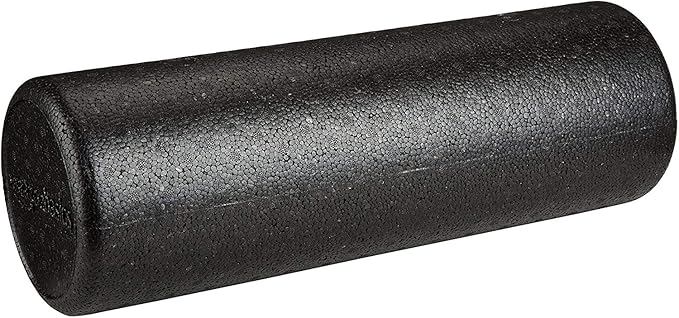
You don't need a second workout. The goal is low intensity—think a 20-minute walk, light stretching, foam rolling, or easy yoga. Heart rate should stay below 120 bpm, and you should finish feeling refreshed, not drained. Here's how to integrate it without overcomplicating things:
- Schedule it like a workout. Block 20 minutes on your rest days. Treat it as non-negotiable. The consistency matters more than the activity.
- Choose activities you genuinely enjoy. If you hate stretching, don't force it. Walk outside, do a slow bike ride, or play with your dog. The only rule is that it feels easy.
- Separate it from your training sessions. Active recovery shouldn't be tacked onto a workout. It's a standalone practice, ideally on a different day or at a distinct time of day.
- Listen for the feedback. After a week of active recovery, notice if your warm-ups feel smoother or if your usual daily fatigue has lifted. Use that evidence to stay committed.
When Passive Rest Still Wins
Active recovery isn't always better. If you're sick, truly injured, or running on less than six hours of sleep, full rest is the right call. The body's repair systems need energy, and forcing movement in that state drains resources rather than helping. Similarly, if you normally do active recovery but feel a strong urge to lie down, honor it. The mistake is making passive rest the default, not the exception.
You also don't need to overthink the intensity. If you're unsure whether something is active recovery or another workout, it's probably too hard. A good rule: you should be able to breathe through your nose the entire time and hold a conversation. If you can't, dial it back.
Frequent training demands a different kind of recovery strategy than casual exercise. The mistake that quietly erodes motivation is assuming rest means nothing. Real recovery involves intentional, gentle movement that keeps your body primed and your mind engaged. Once you shift from passive waiting to active restoration, you might find that spark comes back—not because you're working harder, but because you're finally giving your body the right kind of break.