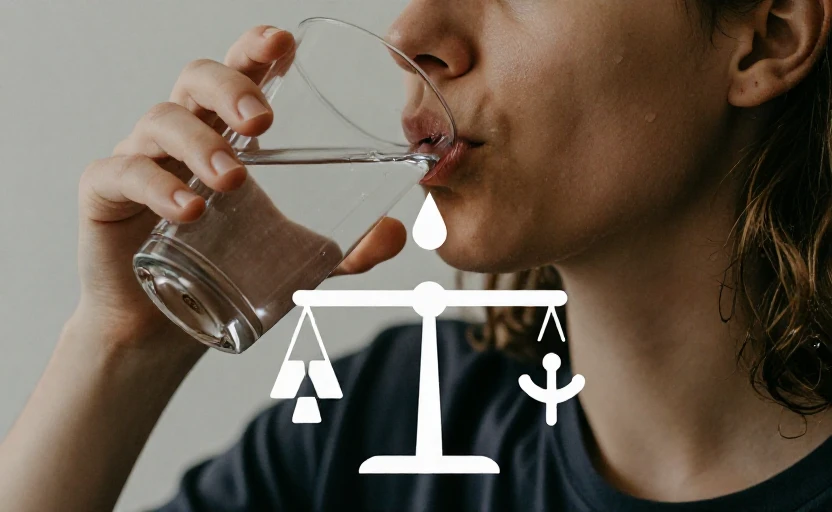
When you're focused on creating a calorie deficit, your attention naturally goes to what you eat. But what you drink—specifically, water—plays a far more pivotal role than simply quenching thirst. It’s the silent partner in your metabolism, the unsung hero of satiety, and a fundamental tool for making your body’s energy-burning machinery run smoothly. Understanding this connection can transform your approach, turning hydration from an afterthought into a strategic asset.
Think of it this way: every cellular process in your body that burns calories requires water to function optimally. When you’re even mildly dehydrated, these processes can become sluggish, like an engine running with low oil. This guide explores the tangible, science-backed ways that consistent, adequate water intake directly supports your efforts to maintain a calorie deficit, helping you feel better and see more consistent results.
Why Water is More Than Just Zero Calories
It’s true that swapping a sugary soda for water saves hundreds of calories. But the relationship between hydration and weight management runs much deeper. Water is involved in lipolysis, the process your body uses to break down stored fat for energy. Research suggests that being well-hydrated may slightly increase your metabolic rate, meaning your body burns a few more calories at rest. While the effect isn’t massive, every bit supports the deficit you’re working to create.
Perhaps more importantly, water is essential for your body to efficiently use the energy from food and to remove waste products from metabolic processes. When you’re dehydrated, you may feel more fatigued, making exercise feel harder and reducing your non-exercise activity (like fidgeting or taking the stairs)—both of which chip away at your total daily calorie burn.
How Hydration Cues Influence Hunger
One of the most practical benefits of drinking water is its ability to help manage appetite. The sensations of thirst and hunger are regulated in the same part of the brain, the hypothalamus. Sometimes, these signals get crossed. What you perceive as a sudden hunger pang, especially between meals, might actually be mild dehydration.
Before reaching for a snack, try drinking a glass of water and waiting 15–20 minutes. You may find the craving subsides.
Furthermore, drinking water before and during meals has a simple mechanical effect: it adds volume to your stomach, promoting a feeling of fullness. Studies have shown that people who drink water before meals tend to consume fewer calories during that meal. It’s a gentle, natural way to support portion control without feeling deprived.
Finding Your Fluid Baseline
The old "eight glasses a day" rule is a reasonable starting point, but individual needs vary widely. A more personalized approach considers your body weight, activity level, climate, and diet.
A common guideline is to aim for half your body weight in ounces as a daily baseline. For example, a person weighing 160 pounds would start with a goal of 80 ounces (about 10 cups) of fluid per day, primarily from water. From there, you add more for exercise, hot weather, or if you consume caffeine (which has a mild diuretic effect).
Your body gives you clear signals. Pale yellow urine is a good indicator of adequate hydration. Dark yellow or amber urine, along with feelings of thirst, dry mouth, or fatigue, often means you need to drink more.
What Counts Toward Your Fluid Intake?
- Plain water: Still or sparkling, it’s the gold standard.
- Herbal teas: Non-caffeinated varieties are excellent.
- Water-rich foods: Cucumbers, celery, watermelon, strawberries, and soups contribute significantly.
- Other beverages: Milk, juice, and even coffee and tea contribute to your total fluid balance, though water should remain your primary source.
Practical Strategies for Consistent Hydration
Making hydration a habit doesn’t have to be a chore. It’s about weaving it seamlessly into your day.
Start your morning with a glass of water before coffee or breakfast. It rehydrates you after a night’s sleep and kickstarts your system. Keep a reusable water bottle with you throughout the day as a visual reminder. If plain water feels boring, try infusing it with slices of citrus, cucumber, mint, or berries for a hint of flavor without added sugars or calories.
Pair your drinking with daily anchors: a glass when you first sit down at your desk, one after your midday break, another when you start preparing dinner. This habit-stacking technique makes consistency effortless.
Ultimately, viewing water as a key nutrient in your weight-loss journey shifts your mindset. It’s not just about drinking when you’re thirsty; it’s about proactively fueling your body’s innate ability to manage energy. By supporting your metabolism, helping to distinguish hunger from thirst, and aiding in portion control, proper hydration creates a more favorable internal environment for a calorie deficit to do its work. Pay attention to your body’s cues, find a routine that works for you, and let water be the foundational support for all your other healthy efforts.