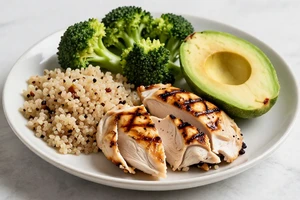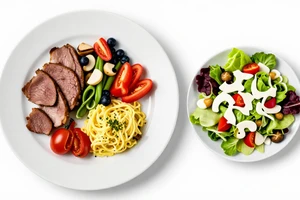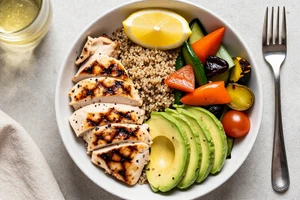
We have all been there: you finish a meal that seemed reasonable, yet 20 minutes later, you are scanning the pantry for something else. That disconnect between eating and feeling full is often a matter of signaling. Your body releases hormones—like peptide YY and cholecystokinin—that tell the brain, “We are done here.” But some foods dial up that signal faster than others, making portion control feel almost effortless. The trick is not to eat less, but to eat smarter.
Below are five straightforward food swaps designed to strengthen those natural satiety cues. Each replacement keeps you on the same culinary track but shifts the nutritional profile toward more protein, more fiber, or more water—the three elements that research consistently links to longer-lasting fullness.
Why Some Foods Quiet the Hunger Signal
Satiety is not just about volume. A food’s energy density—calories per gram—plays a major role. High-energy-density foods pack many calories into a small bite, so you can eat a lot before your gut registers “enough.” Low-energy-density foods, by contrast, take up physical room in the stomach and slow digestion, giving satiety hormones time to rise.
The swaps below follow that principle: they replace a calorie-dense item with something that retains flavor and satisfaction but introduces more water, fiber, or protein. Over time, this pattern retrains appetite without willpower battles.
Swap 1: Whole Fruit for Fruit Juice
A glass of orange juice seems harmless, but juicing strips away the pulp and fiber that slow sugar absorption. Without that fiber, the liquid sugar hits the bloodstream quickly, insulin spikes, and blood sugar drops—often leaving you hungry again soon after.
The swap: Choose a whole orange (or apple, pear, or berries) instead of a glass of juice. The intact fiber increases chewing time, stretches the stomach, and triggers satiety hormones more effectively. Nutritionally, you get fewer grams of sugar per serving and more phytonutrients.
Tip: If you genuinely crave a cold drink, try infusing water with citrus slices or berries. You get flavor without the sugar load.
Swap 2: Greek Yogurt for Regular Yogurt
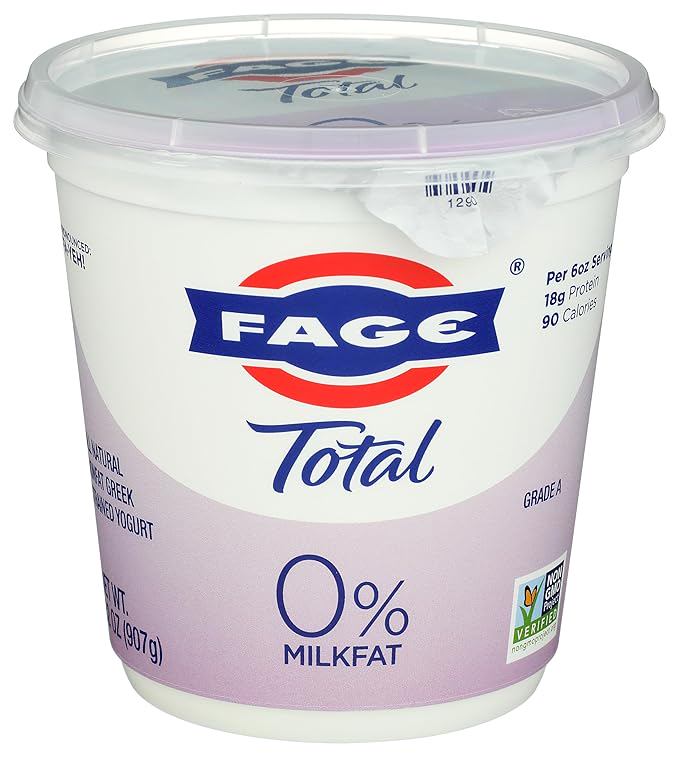
Flavored, low-fat yogurt is a common breakfast or snack choice, but many commercial varieties pack added sugar and minimal protein. Protein is the most satiating macronutrient—it triggers the release of appetite-suppressing hormones while also preserving lean muscle mass during weight loss.
The swap: Replace sweetened low-fat yogurt with plain Greek yogurt. Greek yogurt undergoes straining, which concentrates protein: a standard cup provides around 20–25 grams, compared to 8–10 grams in regular yogurt. To handle the tartness, add a small handful of fresh berries or a dash of cinnamon rather than honey or syrup.
Swap 3: Riced Vegetables for White Rice
White rice is a staple for many, but it is low in fiber and high in rapidly digestible carbohydrates. A typical serving of cooked white rice weighs in at roughly 200 calories per cup but offers little resistance to digestion. The stomach empties quickly, and hunger returns early.
The swap: Mix half the usual portion of rice with an equal amount of riced cauliflower or grated broccoli stems. You reduce the calorie density of the dish by adding water-rich vegetables, and the extra fiber slows gastric emptying. The texture is close enough that most people barely notice the shift, especially when combined with stir-fry sauces or stews.
- Start with a 50/50 ratio of rice to riced vegetables.
- Season the vegetables with the same spices you use for the grain.
- Increase the vegetable proportion over two weeks as your palate adjusts.
Swap 4: Lentil or Bean-Based Pasta for White Pasta
Standard pasta made from refined wheat flour is a plate-cleaner’s dream: tender, starchy, and easy to overeat. A bowl of spaghetti offers around 220 calories per cup, but the protein and fiber content is minimal—roughly 8 grams of protein and 2 grams of fiber.
The swap: Choose a legume-based pasta made from red lentils, chickpeas, or black beans. A two-ounce serving of lentil pasta provides about 12 grams of protein and 5 grams of fiber—substantially more than regular pasta. The extra protein and fiber trigger satiety signals earlier, so you feel satisfied with a smaller serving. The taste is slightly earthier, but robust pasta sauces (tomato, pesto, or olive oil) mask the difference well.
For best results, cook the legume pasta according to package directions and rinse it briefly to remove surface starch. Pair it with a vegetable-protein-rich sauce, such as marinara with sautéed mushrooms or spinach.
Quick tip: Cook legume pasta one to two minutes less than the package suggests to keep a firmer texture.
Swap 5: Sparkling Water with Citrus for Soda
This last swap is not a food in the traditional sense, but it addresses one of the most underestimated appetite disruptors: liquid calories and artificial sweeteners. Regular soda delivers empty sugar (about 40 grams per can) that bypasses the body’s normal fullness detection. Diet soda, though calorie-free, may trick the brain into expecting incoming sugar, which can increase cravings later.
The swap: Replace soda with sparkling mineral water infused with a squeeze of lemon, lime, or a few muddled mint leaves. The carbonation provides the sensory experience of a fizzy drink, while the citrus or herbs offer flavor without sweetness. This swap cuts out sugar and artificial sweeteners entirely, removing a major source of calorie-dense but non-satiating intake.
Building the Habit
The goal is not to overhaul everything at once. Pick one swap this week—maybe the fruit-for-juice trade at breakfast—and stick with it. Notice how your hunger behaves between meals. Once that feels automatic, add the next swap. Satiety signals adjust gradually; gradual changes are more likely to become permanent.
Portion control does not require shrinking your plate into oblivion. It requires giving your body the right cues to say, “I’ve had enough.” These five swaps strengthen those cues naturally.