
The 2 most common warm-up errors new runners make (and what to do instead)
New runners often skip warm-ups or do static stretches before running. Learn the two most common warm-up errors and what dynamic moves to do instead.
Discover articles, guides, and practical insights for a healthier lifestyle.
New runners often skip warm-ups or do static stretches before running. Learn the two most common warm-up errors and what dynamic moves to do instead.

How many rest days do beginner runners really need? Learn the evidence-based every-other-day rule, signs you need more recovery, and when to progress safely.

New runners: three common habits that trigger shin splints—mileage jumps, heel striking, worn shoes—and how to fix each one before pain sidelines you.

Spot the 6 warning signs of a running overuse injury before it sidelines you. Learn how pain patterns, gait changes, and swelling signal tissue damage.

Exercise physiologists explain what to drink for optimal running recovery—chocolate milk, tart cherry juice, coconut water, and more—backed by research.

Sports dietitians recommend these 4 evidence-based foods—tart cherries, fatty fish, beets, and Greek yogurt—to help reduce muscle soreness after running.

Learn the 3 signs that your easy run is too hard for safe recovery, including breathing checks, next-day soreness, and sleep quality. Tips for true recovery pacing.

Learn the top 5 beginner running mistakes that lead to injury, including overstriding, doing too much too soon, and skipping strength work. Get actionable fixes.

Learn how to check your weightlifting form at home with simple video setup, key movement cues for squats and deadlifts, and honest self-coaching tips.


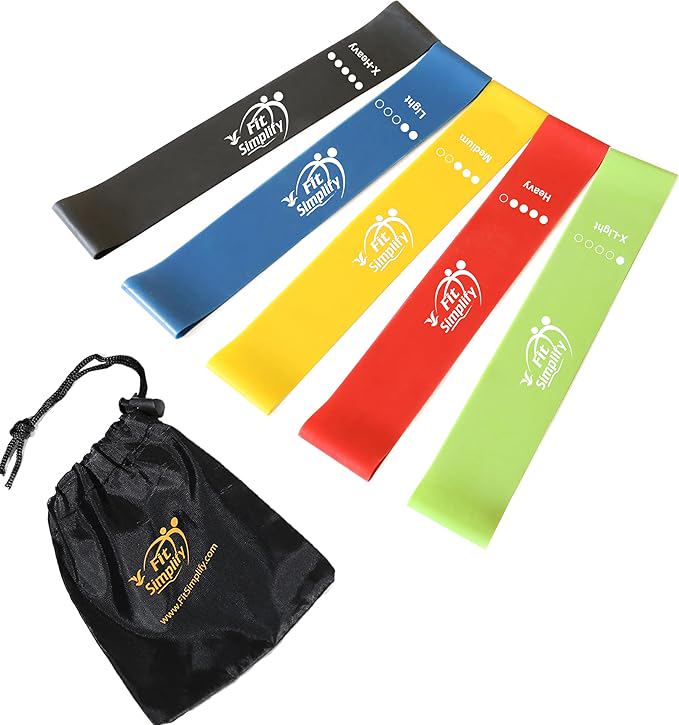
Fit Simplify Resistance Loop Exercise Bands with Instruction Guide and Carry Bag, Set of 5
Check it out

365 by Whole Foods Market, Organic Old-Fashioned Rolled Oats, 42 Ounce
Check it out