
You crushed your run. Your legs feel heavy, your muscles are starting to ache, and you're already thinking about how to feel better tomorrow. What you eat in that recovery window matters more than you might think—and it's not just about protein shakes or ice baths.
Sports dietitians point to specific foods that can actively help reduce delayed onset muscle soreness (DOMS) and speed up repair. Here are four of the most effective, research-backed options to add to your post-run meal or snack.
1. Tart cherries (or tart cherry juice)
Tart cherries are one of the most studied foods for exercise recovery. They're packed with anthocyanins—powerful antioxidants that reduce inflammation and oxidative stress caused by hard effort. A 2021 meta-analysis in the Journal of the International Society of Sports Nutrition found that tart cherry supplementation significantly reduced muscle soreness and strength loss after strenuous exercise.
How to use it: A glass of tart cherry juice (look for unsweetened, 100% juice) within an hour after your run is a simple option. Or eat a handful of dried tart cherries mixed into yogurt or oatmeal. Avoid sweetened cherry products, which add sugar without extra recovery benefit.
Dietitian tip: Tart cherry juice is concentrated, so start with 8–12 ounces after a hard run. You can also freeze it into ice cubes and blend into a recovery smoothie.
2. Fatty fish (salmon, mackerel, sardines)
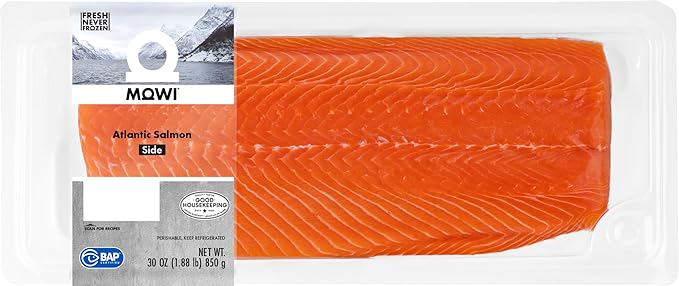
The omega-3 fatty acids EPA and DHA found in fatty fish are well known for their anti-inflammatory effects. For runners, this translates to less muscle stiffness and faster return to normal function. A 2020 study in Nutrients showed that participants who consumed fish oil (rich in EPA and DHA) had lower markers of muscle damage and reported less soreness 48 hours after exercise.
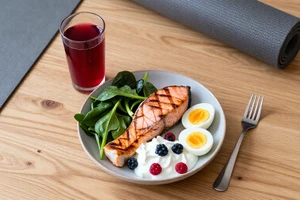
How to use it: A 3–4 ounce serving of grilled or baked salmon as part of a post-run dinner works perfectly. Canned sardines or mackerel on whole-grain toast make a quick, no-cook option if you're short on time. Aim to include fatty fish in your recovery meals two to three times per week for cumulative benefit.
3. Beets (or beetroot juice)
Beets are famous for their performance-enhancing nitrates, but they also support recovery. Dietary nitrates improve blood flow and oxygen delivery to muscles, which helps clear metabolic waste like lactate and delivers nutrients needed for repair. A 2019 study in the Journal of Dietary Supplements reported that beetroot juice supplementation reduced muscle soreness and improved recovery of muscle function after eccentric exercise.
How to use it: Roasted beets make a great side dish for a post-run meal. Beetroot juice is the most concentrated option—drink 8–12 ounces within an hour after your run. Look for pure beet juice without added sugar or apple juice blends. If you prefer whole foods, a small beet-and-berry smoothie works well.
Caveat: Beets can turn urine and stool pinkish-red, which is harmless. If you have low blood pressure or take medications that affect blood pressure, check with your doctor before using concentrated beet juice.
4. Greek yogurt (or high-protein dairy)
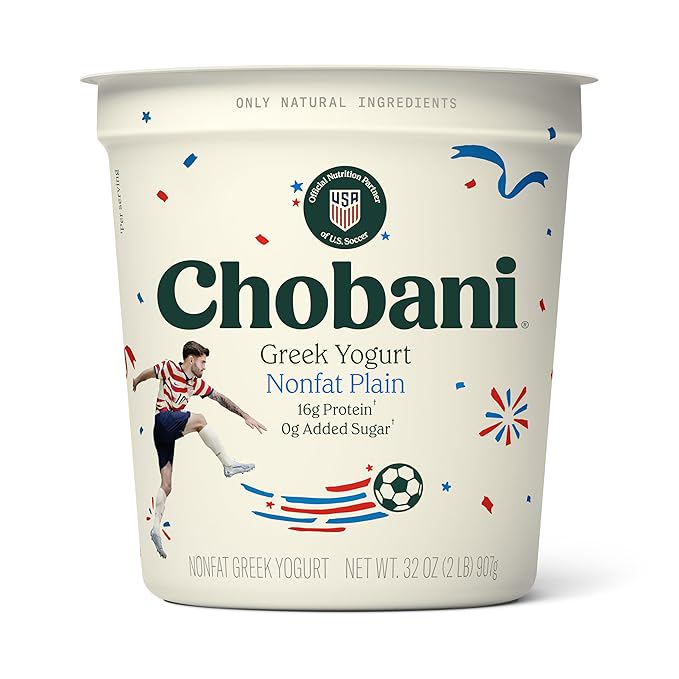
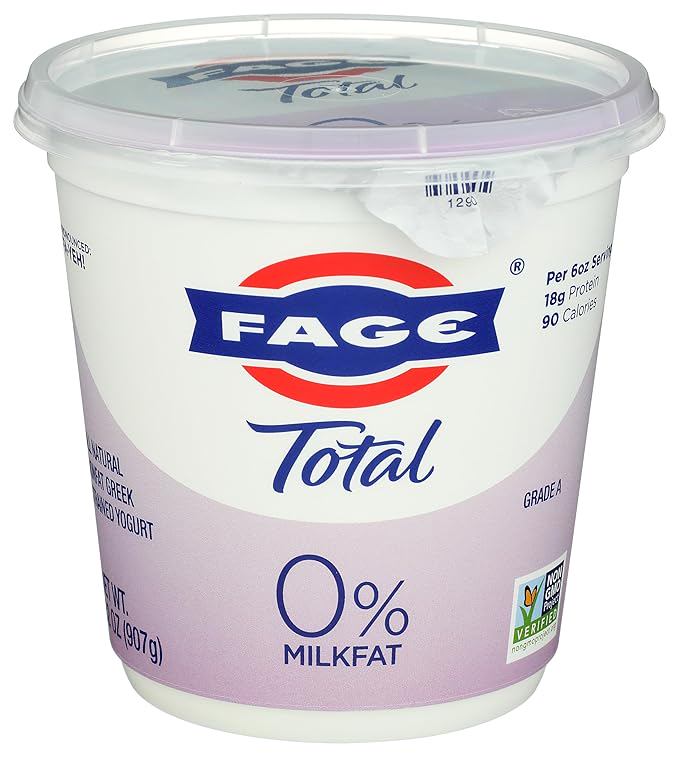
Protein is essential for muscle repair, but the type matters. Greek yogurt provides a rich source of casein protein, which digests slowly and supplies a steady stream of amino acids to rebuilding muscles. It also contains calcium and vitamin D, which support bone health and muscle function. A 2017 study in the Journal of Strength and Conditioning Research found that milk-based protein (casein and whey) reduced soreness and improved recovery compared to a carbohydrate-only drink.
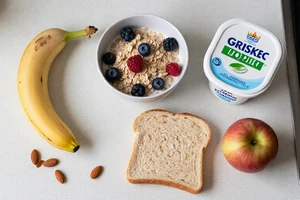
How to use it: A single-serve container of plain Greek yogurt (around 15–20 grams of protein) is an easy post-run snack. Top it with the dried tart cherries or berries for a double recovery benefit. For a bigger meal, use Greek yogurt as a base for a smoothie or as a sauce for roasted vegetables and fish.
The bigger picture: These foods work best when paired with overall good nutrition—adequate carbohydrates to replenish glycogen stores, plenty of water, and a balanced diet across the day. No single food is a magic bullet, but consistently including these four options can make a real difference in how you feel the day after a hard run.