
You lace up your shoes, step out the door, and feel the rhythm of your feet hitting the pavement. Running is one of the most accessible forms of exercise, but for beginners, it often comes with a steep learning curve — and a high rate of sidelining injuries. The good news: the most common hazards are almost entirely preventable once you know what to look for.
Here are five beginner running mistakes that increase injury risk, along with simple, practical fixes you can start using on your next run.
1. Doing too much, too soon
The most frequent misstep is a simple case of overambition. You feel great, so you run faster or farther than your body is ready for. This spike in load — whether in distance, speed, or frequency — outpaces your muscles, bones, and connective tissues' ability to adapt. That imbalance is the direct cause of many overuse injuries like shin splints, runner's knee, and stress fractures.
Fix it: Follow a gradual progression plan. A standard guideline is not to increase your total weekly mileage by more than 10 percent from one week to the next. If you run three times a week, stick with that frequency for two to three weeks before adding a fourth day. Let your body dictate the pace, not your ego.
2. Poor running form (especially overstriding)
When you reach your foot too far ahead of your body — a pattern called overstriding — you land heavily on your heel with your leg almost straight. This braking action sends a shockwave up through your knee, hip, and lower back. Overstriding is one of the leading mechanical causes of stress fractures and joint pain in new runners.
Fix it: Focus on a shorter, quicker stride. Aim for your foot to land directly underneath your hips, not out in front. A useful cue is to imagine you're running on hot coals — light, quick foot strikes. Keep your posture tall, shoulders relaxed, and arms swinging from the shoulder (not the elbow) in a front-to-back motion, not across your body.
3. Skipping strength training
Many newcomers think running alone will build the strength needed for running. But running is a repetitive, high-impact activity that demands strong stabilizer muscles, especially in the hips, glutes, and core. Without that foundation, weaker muscles let your form collapse under fatigue, and your joints absorb more stress. This often shows up as runner's knee, IT band syndrome, or chronic shin pain.
Fix it: Incorporate 10 to 15 minutes of lower-body and core strength work twice a week. Bodyweight exercises like glute bridges, single-leg deadlifts, planks, and side-lying leg raises target the key stabilizers. You do not need heavy weights — consistency matters more than intensity.
A strong run starts long before you hit the road. Two short strength sessions per week can cut your injury risk significantly.
4. Wearing worn-out or wrong shoes
Running in old, flattened sneakers or shoes that don't match your foot type increases the impact forces your body has to absorb. Most running shoes lose their cushioning and support after 300 to 500 miles — and that mileage adds up faster than you think. If you can't remember when you bought your current pair, they are probably overdue.
Fix it: Visit a specialty running store for a gait analysis, where an expert can watch how your foot strikes and recommend a shoe suited to your mechanics. Replace your shoes roughly every 350 to 450 miles. And no matter how much you love them, avoid the temptation to run in fashion sneakers or casual trainers — they lack the specific support running demands.
5. Neglecting recovery and rest days
Running breaks down muscle fibers and stresses your bones. Repair happens between runs, not during them. If you run hard or long every day, you deny your body the chance to adapt and strengthen. The result is accumulated fatigue, persistently elevated heart rate, poor sleep, and a sharply higher injury risk — sometimes called overtraining syndrome.
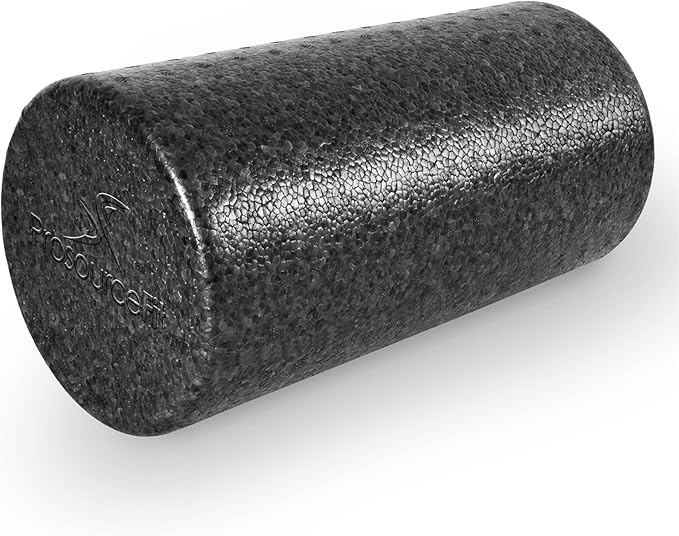
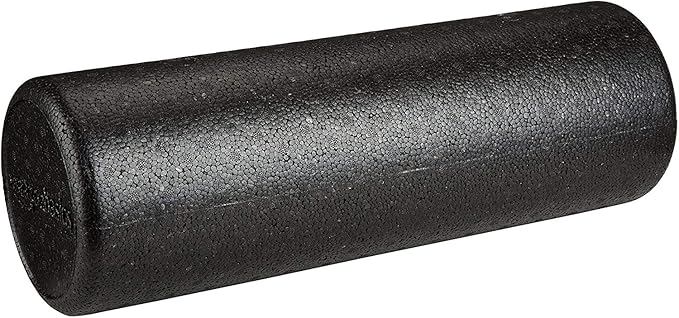
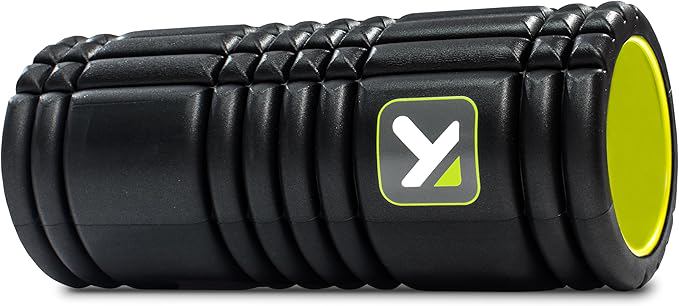
Fix it: Plan at least one full rest day per week, and consider taking a complete day off after each run for the first few weeks. Pay attention to your body's signals: persistent soreness, poor sleep, or irritability can be early signs you need more rest. Active recovery — like a gentle walk, stretching, or foam rolling — counts, but true repair requires real downtime.
How to start safer: a quick checklist for beginners
- Warm up with 5 minutes of brisk walking or dynamic stretches (like leg swings and lunges).
- Start with a run-walk interval plan (e.g., run 1 minute, walk 2 minutes, repeat for 20 minutes).
- Focus on breathing rhythm and a relaxed upper body early in each run.
- Let your effort level feel conversational — if you can't speak a full sentence, slow down.
- Finish every run with a short cooldown walk and gentle flexibility work for your calves and quads.
Running is a lifelong pursuit, not a race to get good fast. By sidestepping these five pitfalls, you'll build a foundation that lets you enjoy the road — and your own progress — without being stopped by preventable pain.