
You’ve laced up your shoes three times this week, and each run feels a little more natural than the last. But somewhere between that first mile and the post-run endorphin glow, a question starts nagging at you: Should I be running tomorrow, or is that too much?
For beginner runners, figuring out the right balance between training and recovery isn’t just about avoiding soreness — it’s about building a routine that lasts. Rest days aren’t a sign that you’re slacking off. They’re part of the workout. Here’s what the science and experience say about how many you actually need when you’re just starting out.
Why your body demands rest when you’re new to running
When you finish a run, your muscles, bones, connective tissues, and cardiovascular system have all been stressed — in a good way. That stress signals your body to adapt and grow stronger. But that adaptation happens during recovery, not during the run itself. If you run again before your body has repaired the micro-tears in muscle fibers and replenished its energy stores, you risk accumulating fatigue rather than building fitness.
Beginners are especially vulnerable here because their tissues aren’t yet conditioned to handle repetitive impact. Experienced runners can sometimes get away with back-to-back easy runs because their tendons and bones have gradually adapted over years. You haven’t built that tolerance yet, and trying to force it tends to backfire in the form of shin splints, runner’s knee, or just a complete loss of motivation.
The simple starting rule: every other day
For most people new to running, the sweet spot is three days of running per week, spread out so that you always have at least one full rest day between runs. That often looks like a Monday-Wednesday-Friday schedule, or Tuesday-Thursday-Saturday. This rhythm gives your body about 48 hours to recover between sessions — enough time for the initial repair work to begin before you load the same tissues again.
A three-day-per-week plan — one day on, one day off — strikes the balance between consistency and recovery for nearly all beginner runners.
On those rest days, you don’t have to be completely sedentary. Gentle movement like walking, easy cycling, or stretching can actually help recovery by increasing blood flow without further stressing your joints. But the key word is gentle. If your rest-day activity leaves you winded or your legs feeling heavy, you’re not truly resting.
Signs you might need more rest — not less
Even three runs a week can be too much for some beginners, especially if you’re starting from a very sedentary baseline, carrying extra body weight, or recovering from a past injury. The goal isn’t to follow a rigid formula; it’s to pay attention to what your body is telling you. Watch for these red flags:
- Persistent joint pain that doesn’t fade after a warm-up
- Feeling unusually tired or sluggish on the morning of a scheduled run
- Poor sleep quality even when you’re logging consistent miles
- A lingering sense of heaviness or soreness in your legs that doesn’t improve after a day off
If you notice any of those, the smart move isn’t to push through — it’s to take an extra rest day or swap a hard run for a walk. You lose almost no fitness by taking two or three consecutive rest days as a beginner. You lose a lot of forward momentum by getting injured and having to stop entirely.
Can you run on consecutive days as a beginner?
It’s possible, but not advisable until you’ve been running consistently for at least a month. If you’re feeling strong and want to try back-to-back runs, keep the second day very short — no more than a mile or two — and at a comfortable conversational pace. Even then, be honest with yourself about whether you’re just eager or genuinely recovered. Most runners who get injured in their first few months report ignoring that inner voice that said, “Maybe I should just take today off.”
An even better option for building frequency without overdoing it is the concept of cross-training. On the days you’re not running, try swimming, yoga, or strength training focused on your core and legs. These activities develop complementary fitness without pounding your joints, and they make you a stronger, more resilient runner over time.
When to consider adding a fourth run
After four to six weeks of consistent three-run weeks, you might feel ready to bump up to four runs per week. The transition should be gradual: instead of adding a fourth run in the middle of the week, try tacking on a very short run (15–20 minutes) after one of your existing rest days. See how your body handles it for two weeks. If you feel no unusual aches and your energy stays high, the new schedule is likely sustainable.
But don’t rush this progression. Some runners can stay happily at three days a week for months and still see steady improvements in endurance and pace. Remember: the goal is to develop a habit that fits your life, not to hit an arbitrary number on a training calendar.
What to do on your rest days
A proper rest day isn’t just about avoiding running. It’s an active decision to support your recovery. These practices can help you wake up ready for your next run:
- Hydrate well. Dehydration slows the repair of muscle tissue.
- Eat enough protein and carbs. Your body needs both to rebuild muscle and replenish glycogen.
- Get quality sleep. This is when most of your tissue repair and hormonal regulation happens.
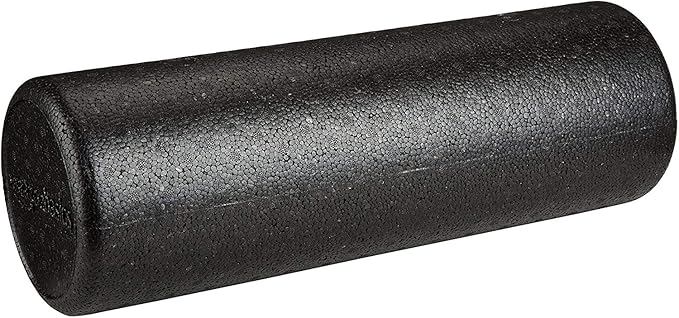
- Do light movement. A 20-minute walk, gentle foam rolling, or basic stretching can ease tightness without adding fatigue.
If you feel a nagging sense of guilt on a rest day — like you should be doing more — remind yourself that recovery is part of the training. You’re not being lazy. You’re building the foundation that will let you run farther and more often next month.
Running as a beginner is an experiment, not a test. Listen to your body, respect the rest days, and trust that the slow path is the one that keeps you running for years.