
You finished your run, stretched (maybe), and now you are standing in front of the refrigerator wondering what will actually help your body bounce back. The answer is more nuanced than just “water” or “that neon sports drink.” Exercise physiologists study how muscles repair, how fluids move through your cells, and which compounds either speed up or slow down recovery. Here is what they actually recommend you reach for after a run—and what they skip.
Why water is not always enough
Plain water is excellent for everyday hydration, but running depletes more than just fluid. You lose electrolytes—sodium, potassium, magnesium—through sweat. You also damage muscle fibers and deplete glycogen stores. If you only replace water, you dilute the remaining electrolyte balance, which can actually make you feel worse and delay muscle repair. An exercise physiologist will tell you that a recovery drink needs to address three things: rehydration, electrolyte replacement, and carbohydrate resynthesis. Water does the first job well but fails on the other two.
Chocolate milk: the evidence-backed choice
It sounds too simple, but chocolate milk has been studied in multiple peer-reviewed trials as a post-run recovery drink. It offers a natural 4:1 carbohydrate-to-protein ratio, which is very close to what sports nutrition experts target for glycogen replenishment and muscle repair. The dairy provides casein and whey proteins, which support sustained amino acid delivery. The added sugar in chocolate milk (the kind you buy off the shelf, not sugar-free) serves as quick-digesting carbohydrate. One small 2018 study in the Journal of the International Society of Sports Nutrition found that recreational runners who drank chocolate milk after a hard workout had lower markers of muscle damage and perceived less soreness than those who drank a plain carbohydrate beverage.
Practical tip: Choose a brand with around 20–30 grams of carbohydrates and 8–10 grams of protein per 8-ounce serving. Skip the sugar-free versions—you actually want the sugar here for glycogen restoration.
Tart cherry juice for inflammation and sleep
Tart cherry juice is not a replacement for your main recovery drink—it is an adjunct. It is rich in anthocyanins, which are antioxidants that reduce oxidative stress and inflammation after endurance exercise. Some research suggests that drinking tart cherry juice for several days before and after a race can accelerate strength recovery and reduce soreness. But the real advantage might be sleep. Tart cherries are a natural source of melatonin, and deep sleep is when your body releases growth hormone and repairs muscle tissue. If you have trouble sleeping after a hard evening run, a small glass of tart cherry juice (about 6–8 ounces) an hour before bed could help.
Coconut water: decent, but know the limits
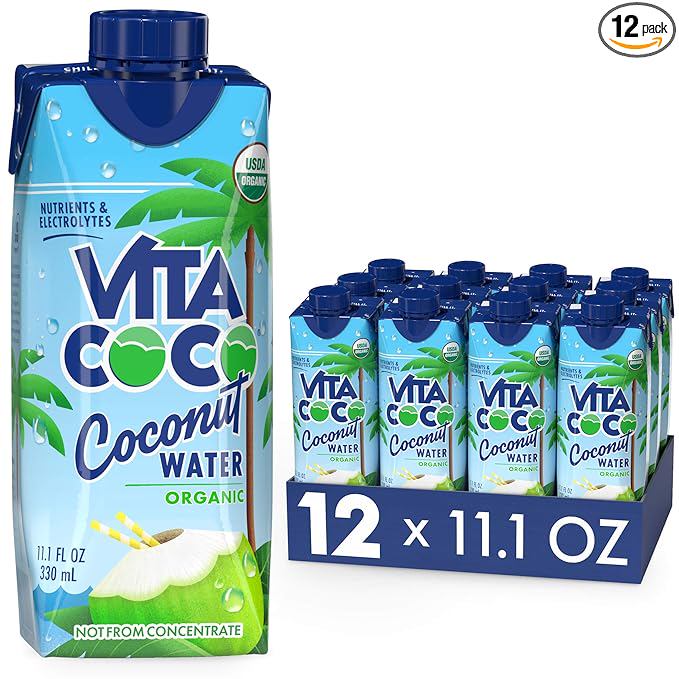
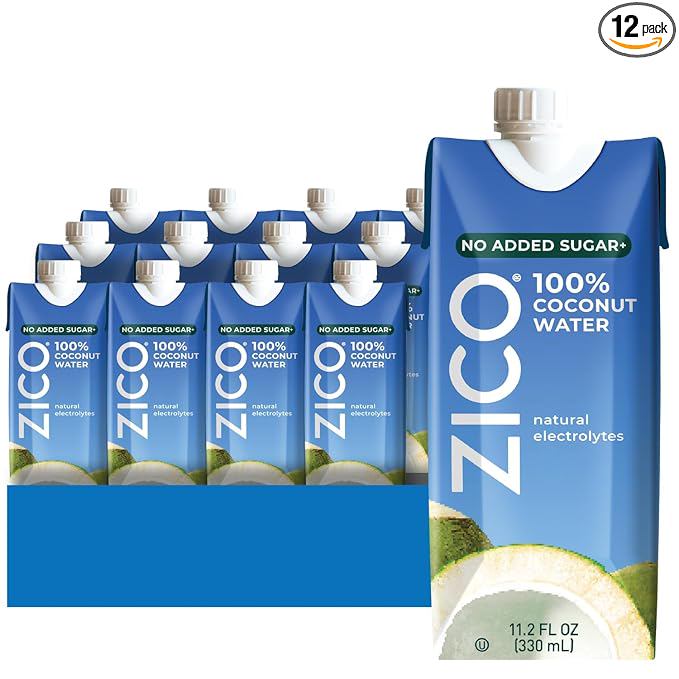
Coconut water is often marketed as nature’s sports drink, and it does contain potassium, magnesium, and some sodium. It is a reasonable option for a short, easy run on a cool day. However, exercise physiologists point out that for longer or more intense efforts—anything over 60–90 minutes—the sodium content is too low to replace what you lost. You would need to add a pinch of salt or pair it with a salty snack. Coconut water also lacks protein and carbohydrates in the quantities needed for serious glycogen replenishment. Use it as a lighter recovery option for easy days, not for your long run or speedwork sessions.
Skim or low-fat milk (without chocolate)
If you are avoiding added sugar, plain milk still performs well. Low-fat or skim milk provides fluid, electrolytes, and high-quality protein. The carbohydrate content is lower than chocolate milk, so it is better suited for runs where you did not fully deplete your glycogen (shorter runs under 45 minutes). For a longer run, add a banana or a handful of oatmeal to the mix. One study in the British Journal of Nutrition found that milk drinkers after resistance exercise had greater net protein balance than those consuming a soy-based recovery drink. The results translate reasonably well to running recovery because the muscle repair mechanisms are similar.
Watermelon juice (with the rind)
Watermelon juice is gaining attention because of its high L-citrulline content. L-citrulline is an amino acid that helps reduce muscle soreness and improve blood flow by increasing nitric oxide production. A small but promising study from 2013 found that athletes who drank natural watermelon juice (including the rind, which is where the citrulline concentrates) reported less muscle soreness 24 hours after exercise. The catch: most store-bought watermelon juice removes the rind. You would need to juice it yourself at home. It is also very low in protein and sodium, so it works best as a complement, not a standalone recovery drink.
What to leave on the shelf
Not every drink marketed for recovery earns its label. Sugary fruit punches, soda, and energy drinks like Monster or Red Bull are poor choices. They deliver high-fructose corn syrup or caffeine without meaningful protein, electrolytes, or anti-inflammatory compounds. Caffeine after a run can interfere with sleep quality, which is when your body does most of its repair. Some runners also tolerate carbonated beverages poorly after a hard effort—the gas can cause bloating and discomfort. If you are craving something fizzy, try sparkling water with a squeeze of lemon and a pinch of salt.
Timing and temperature matter
Exercise physiologists emphasize that the “anabolic window” for recovery is wider than people used to think—you have about two hours after your run to consume a recovery drink for optimal glycogen synthesis. That said, earlier is better. Muscle cells are most sensitive to insulin within 30–60 minutes post-exercise, which means they will absorb glucose and amino acids more efficiently. You do not need a cold drink for it to work, but many people drink more volume when the liquid is chilled, so cold milk or juice may help you hydrate better simply because you drink more of it.
The best post-run drink depends on the intensity and duration of your run, your personal taste, and your digestive tolerance. Chocolate milk remains the most practical, research-backed option for most runners. Tart cherry juice is a smart addition if inflammation or sleep is an issue. Plain milk or coconut water work for lighter training days. Whichever you choose, drink it within two hours, and listen to your body—if something makes you feel bloated or heavy, try a different option next time.