
You pushed through a solid cardio session—maybe a jog, a spin class, or a brisk incline walk. Two days later, your quadriceps are screaming, your calves feel like concrete, and the stairs in your home have become a genuine obstacle. This specific discomfort, arriving a full 48 hours after the workout, has a name: delayed onset muscle soreness, or DOMS. While common, it’s not a mandatory rite of passage. Persistent, sharp leg pain two days after cardio often points to a few specific mistakes beginners make. Correcting them can change your recovery from a four-day ordeal into a manageable 24-hour hum.
The First Mistake: Starting at Full Speed
One of the most common patterns is treating the warm-up like an afterthought. Jumping straight into a high-intensity interval or a fast pace on the treadmill without gradually preparing the muscles is a recipe for deep, lingering soreness. Your muscles, tendons, and connective tissues need a gradual increase in blood flow and temperature to handle the load.
Think of the first five to ten minutes as a conversation with your body, not a command. A proper dynamic warm-up does more than just prevent injury—it reduces the micro-tears in muscle fibers that lead to that punishing 48-hour ache. If your legs are still throbbing two days later, ask yourself honestly: did you go from standing still to sprinting in under sixty seconds? If so, that’s the likely culprit.
A quick fix: Spend five minutes doing leg swings, walking lunges, and a slow jog before any cardio. This simple step can cut your recovery time in half.
The Second Mistake: Neglecting Your Hydration and Fuel
Many beginners treat cardio as a pure calorie burn and overlook what the body needs to repair itself. Dehydration significantly worsens muscle soreness. When your cells lack fluid, they cannot flush out metabolic waste products like lactic acid and other inflammatory markers that accumulate during exercise. This compounds the damage and extends the soreness window.
Similarly, skipping a post-workout meal or snack is a common error. After a cardio session, your muscles are primed to absorb nutrients that kickstart repair. Without protein and carbohydrates, recovery stalls. The result is that mild soreness that should fade after 24 hours instead peaks at 48 and lingers longer than it should.
- Drink water steadily throughout the day, not just during your workout.
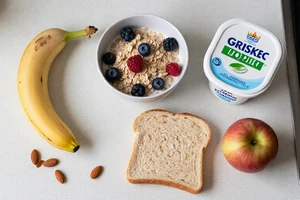
- Eat a small snack with protein and carbs within 30–60 minutes after finishing—think a banana with peanut butter or a glass of chocolate milk.
- Electrolytes (sodium, potassium, magnesium) matter too. A pinch of salt in your water or a sports drink can help, especially after a sweaty session.
The Third Mistake: Skipping the Cool-Down and Active Recovery
It’s tempting to finish your workout and immediately plop onto the couch. But the abrupt stop shuts down circulation, trapping blood in the lower extremities and increasing stiffness. A proper cool-down—just five minutes of light movement and static stretching—keeps blood flowing and begins the process of clearing inflammatory byproducts.
Even more important is what you do the following day. Complete rest often makes DOMS worse. It is known as active recovery: light movement like walking, gentle cycling, or swimming increases blood flow without further damaging the muscle fibers. The increased circulation delivers oxygen and nutrients to the sore areas while carrying away waste. If your legs ache badly 48 hours after cardio, you might be resting too much instead of moving lightly.
How to Distinguish DOMS from an Injury
Before implementing fixes, it is essential to recognize the difference between normal soreness and a potential injury. DOMS typically causes a dull, diffuse ache that feels equally bad in both legs. The pain is symmetrical and worsens when you try to contract the muscle—like standing up from a chair—but usually eases with gentle movement.
An injury, on the other hand, often produces sharp, localized pain. If you feel a stabbing sensation in one specific spot, if you cannot bear weight on one leg, or if there is visible swelling or bruising, stop all activity and consult a healthcare provider. The tips here apply to common post-exercise soreness, not to acute injuries.
Putting It All Together: Your Recovery Protocol
If your legs are aching right now, start with gentle movement. Walk around your house or neighborhood for ten minutes. Follow that with a few static stretches—hold each for 30 seconds—targeting the calves, hamstrings, and quads. Drink a full glass of water and consider a warm bath with Epsom salts to relax tight muscles. Magnesium sulfate in Epsom salts may help reduce inflammation and muscle tension, although scientific evidence is mixed; many people find it subjectively soothing.
For your next workout, warm up for a full five to ten minutes, hydrate before and during, and commit to a five-minute cool-down. Plan a light active recovery session for the following day. With these adjustments, you should notice that the 48-hour ache shrinks to a 24-hour mild sensation, allowing you to train more consistently without prolonged discomfort.
Remember: consistent, smart training beats heroic, painful sessions every time. The goal is to build fitness, not to suffer for days afterward.