
Morning workouts have a unique set of challenges, especially when it comes to fuel. Rolling out of bed and heading straight to the barbell might feel efficient, but jumping into a heavy lift session on an empty stomach can leave you feeling weak, dizzy, or unable to hit your rep goals. The question isn't just whether to eat—it's what to eat that will sit well and actually power your performance.
We talked to registered dietitians who specialize in sports nutrition to cut through the noise. Their advice focuses on three things: quick digestion, steady energy release, and enough protein to signal your muscles to get to work. Here is exactly what they recommend eating before a morning weightlifting session.
Why your pre-lift meal matters more than you think
When you wake up, your body has been fasting for 8–12 hours. Your liver glycogen stores are lower than they were at bedtime, and your muscles are primed for fuel. Without a strategic bite, you might start your workout relying on stored glycogen that’s already half empty. This can lead to early fatigue and a drop in intensity during the critical later sets of your session.
A well-timed, balanced pre-workout snack isn't just about avoiding a crash. It helps maintain blood sugar levels, improves focus, and can even reduce muscle breakdown during training. The goal is to give your body a steady source of energy without weighing you down.
The ideal pre-lift combination: carbs and protein
Dietitians consistently agree: the best morning pre-workout meal is a mix of easy-to-digest carbohydrates and a modest amount of protein. Carbs restore glycogen and provide immediate energy. Protein, even in a small dose, primes the muscles for protein synthesis and reduces muscle protein breakdown during the workout.
“Think of carbs as the kindling that gets the fire going, and protein as the log that keeps it burning. You need both, but the ratio shifts toward carbs right before you lift.” — Registered Dietitian, Sports Nutrition Specialist
Too much fat or fiber slows gastric emptying, which can lead to bloating or cramps mid-session. Stick to about 30–60 grams of carbs and 10–20 grams of protein, timed 45–90 minutes before you lift if possible.
Top foods dietitians recommend for a 6 AM lift
Banana with peanut butter or almond butter
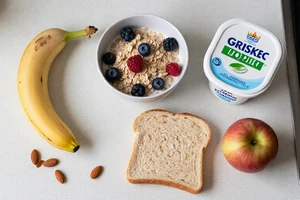
This is the gold standard recommendation from nearly every dietitian we spoke with. A banana provides fast-acting carbs (around 25–30 grams) and potassium to prevent muscle cramps. A tablespoon of nut butter adds a small amount of protein and healthy fat for satiety, without overloading your stomach. It’s portable, requires no cooking, and goes down easy even when you’re not fully awake.
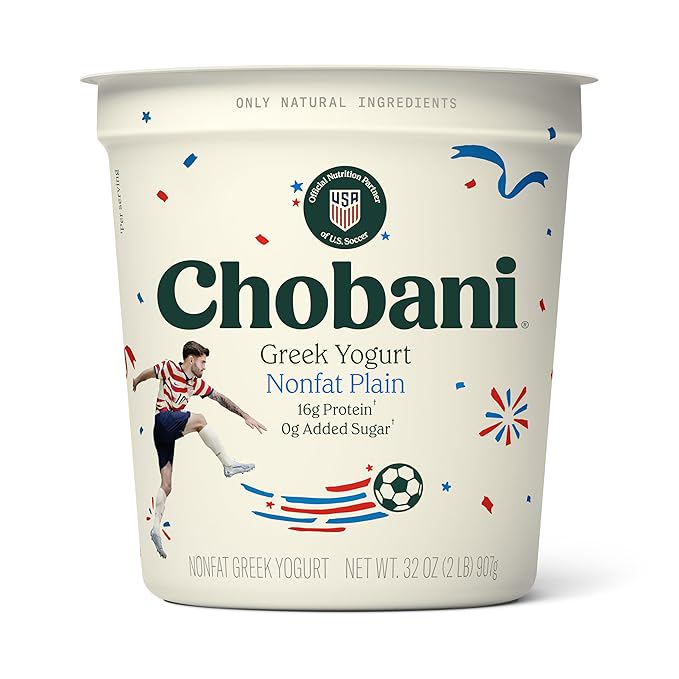
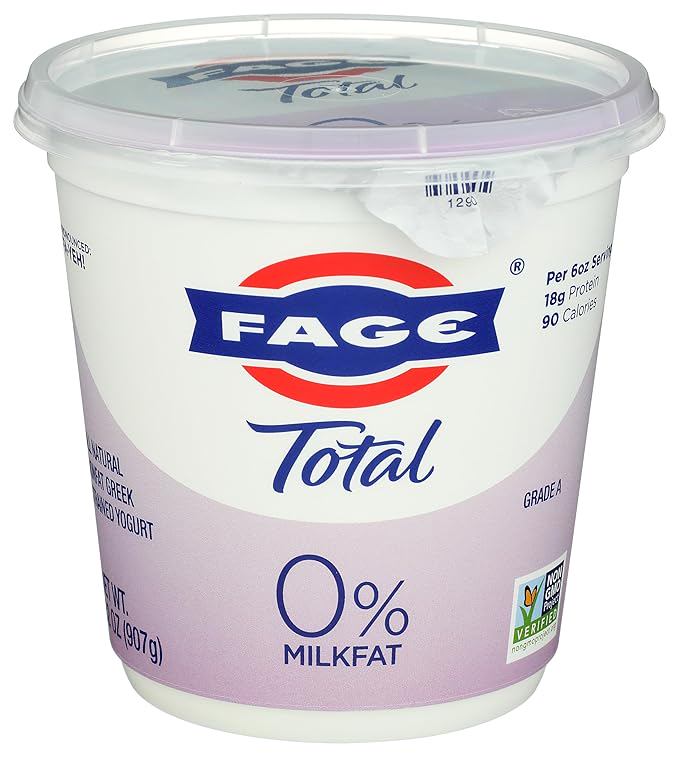
Greek yogurt with berries and a drizzle of honey
If you have 10 minutes before heading out the door, this combo is hard to beat. Plain Greek yogurt delivers about 15–20 grams of protein per serving. Berries add antioxidants and carbs, while honey gives a quick glucose boost. The texture is cool and gentle on a morning stomach. If you tolerate dairy well, this is an excellent pre-lift choice.
Oatmeal with a scoop of protein powder
Oats provide complex carbohydrates that digest steadily, avoiding the quick spike and crash of some sugary cereals. Cooking them with milk or water and stirring in a scoop of vanilla or unflavored protein powder turns a carb bowl into a balanced pre-workout meal. Top with sliced banana or a handful of raisins for extra quick-digesting carbs. If you're short on time, overnight oats prepped the night before work just as well.
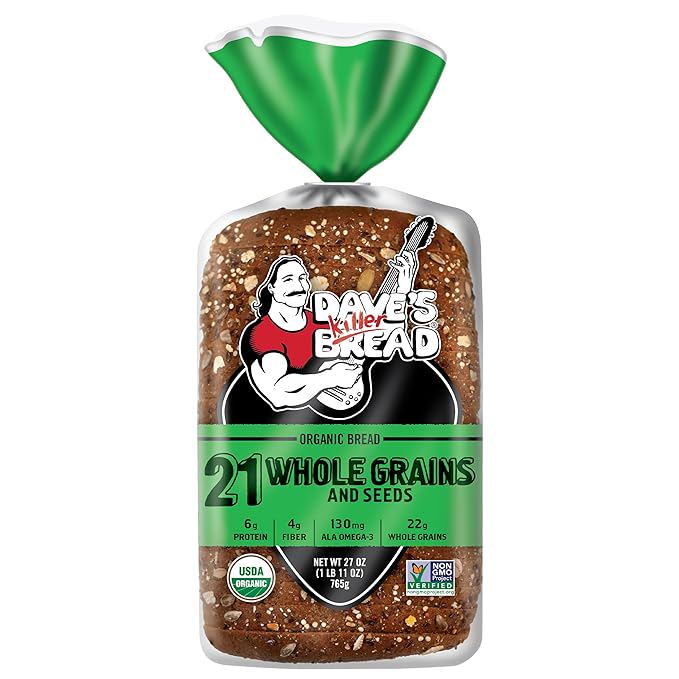
Whole grain toast with a poached or scrambled egg
For those who prefer savory breakfasts, this is a dietitian-approved option. The toast gives you digestible carbs, and the egg provides high-quality protein and B vitamins for energy metabolism. Keep the fat moderate—skip the butter or avocado if you’re sensitive to fat before exercise. This meal is especially good if you are training for hypertrophy or strength gains.
Apple slices with a string cheese or a small turkey roll-up
When you need a morsel, not a meal. Sliced apple provides 15–20 grams of carbs and some fiber. Pairing it with a low-fat cheese stick or a slice of lean turkey adds protein without making you feel full. This is a great option for lifters who wake up only 30 minutes before their session.
What to avoid before a morning lift
Dietitians caution against several common pitfalls:
- Large, high-fat meals. Bacon, heavy omelets, or fried foods take hours to digest and can cause sluggishness or indigestion under the bar.
- High-fiber foods. A big bowl of bran cereal or a whole-grain wrap with lots of vegetables might seem healthy, but the fiber can lead to bloating and gas during squats or deadlifts.
- Pure sugar or caffeine on an empty stomach. A sugary energy drink or black coffee alone can spike blood sugar then crash it, plus it may cause jitters or an upset stomach.
- Dairy for the lactose-sensitive. If you know milk bothers you, stick to yogurt or a small amount of hard cheese. A glass of whole milk right before lifting can be trouble.
Timing matters just as much as the food
The window for your pre-workout meal is flexible but important. If you can eat 60–90 minutes before lifting, you can have a slightly larger snack or small meal (like the oatmeal or toast with egg). If you only have 15–30 minutes, stick to the banana with nut butter or apple with cheese. The closer you are to your workout, the simpler and smaller the snack should be.
Some people do well with a liquid option like a fruit smoothie with protein powder or a glass of low-fat chocolate milk. Liquids empty from the stomach faster, which can be a huge benefit for early morning rush situations.
Hydration is the unsung hero
Don't forget water. Even mild dehydration can impair strength and endurance. Aim for 12–16 ounces of water about 20–30 minutes before you start your warm-up. If you sweat heavily, adding an electrolyte tab can help, but plain water works for most morning sessions under an hour.
The bottom line from dietitians is clear: eating something small, carb-forward, and with moderate protein before a morning weightlifting session will almost always outperform lifting fasted. Experiment with a few of the options above during your next lighter lifting day. Find what sits well and gives you steady energy. Your reps—and your muscles—will thank you.