
Anyone who lifts weights knows the feeling: that deep, satisfying ache in your muscles the next day. It is a sign of progress, but it can also make stairs, sitting, and even simple movements uncomfortable. While some soreness is a natural part of getting stronger, you do not have to just suffer through it. What you drink after your last rep can play a real role in how quickly you recover and how you feel tomorrow.
Instead of reaching for an expensive, over-hyped recovery powder, consider these four evidence-backed post-workout drinks. They are simple, effective, and likely already in your kitchen. Each one targets a different part of the recovery puzzle—hydration, inflammation, nutrient replenishment, or muscle repair.
1. Tart cherry juice for inflammation control
Tart cherry juice has earned serious attention in sports nutrition research. It is packed with anthocyanins—powerful antioxidants that help dial down inflammation after intense resistance training. Several studies have shown that drinking tart cherry juice before and after lifting can significantly reduce markers of muscle damage and perceived soreness.
The tartness is a feature, not a bug. To get the benefit without the sugar load of many commercial juice blends, look for 100% tart cherry juice (not a cherry juice cocktail). A typical serving is about 8 to 10 ounces. If the flavor is too sharp, try diluting it with plain sparkling water. Since tart cherry juice is naturally high in sugars, it fits best as a targeted recovery tool rather than an everyday thirst quencher.
A small glass of tart cherry juice after a hard session may help you feel less stiff and sore the next morning.
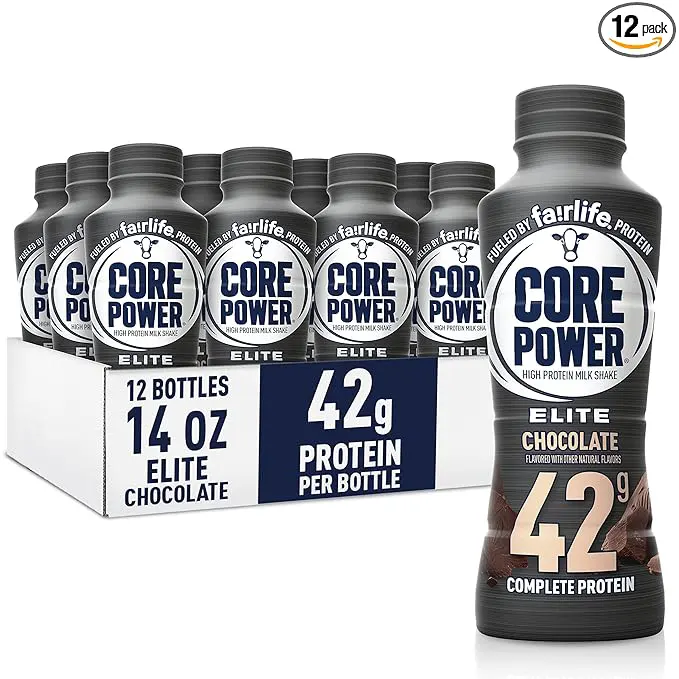
2. Chocolate milk for muscle repair and glycogen refuel
For decades, chocolate milk has been studied as a practical, affordable recovery drink—and it consistently holds its own against commercial sports beverages. It offers an ideal 3-to-1 or 4-to-1 ratio of carbohydrates to protein, which is exactly what your muscles need after weights: carbohydrates to replenish glycogen stores and protein to kickstart muscle repair.
The natural electrolytes in milk (calcium, potassium, sodium) also help with rehydration. Research suggests that chocolate milk can be just as effective as—or even better than—specialized recovery shakes at reducing muscle soreness and improving strength recovery in the hours after a lift. Choose low-fat or whole milk depending on your overall goals; the fat content does not seem to dampen recovery effects. Avoid ultra-sugary “chocolate-flavored” syrups; real cocoa gives you added antioxidant benefits.
3. Watermelon juice for hydration and muscle relaxation
Watermelon is more than a summertime snack. Its juice is naturally rich in L-citrulline, an amino acid that helps improve blood flow and reduce muscle soreness. L-citrulline is converted in the body to L-arginine, which supports nitric oxide production—this relaxes blood vessels, delivering more oxygen and nutrients to recovering muscles.
One small study found that athletes who drank watermelon juice (especially the water-rich flesh, not just the rind) reported less muscle soreness 24 hours after exercise compared to a placebo drink. Fresh watermelon juice is easy to make at home: blend chunks of watermelon (rind removed) and strain if you prefer a smoother texture. It is naturally hydrating and contains potassium and magnesium, both of which can help soothe tight, achy muscles. Since it is low in protein, pair it with a small handful of nuts or a hard-boiled egg for a fuller recovery snack.
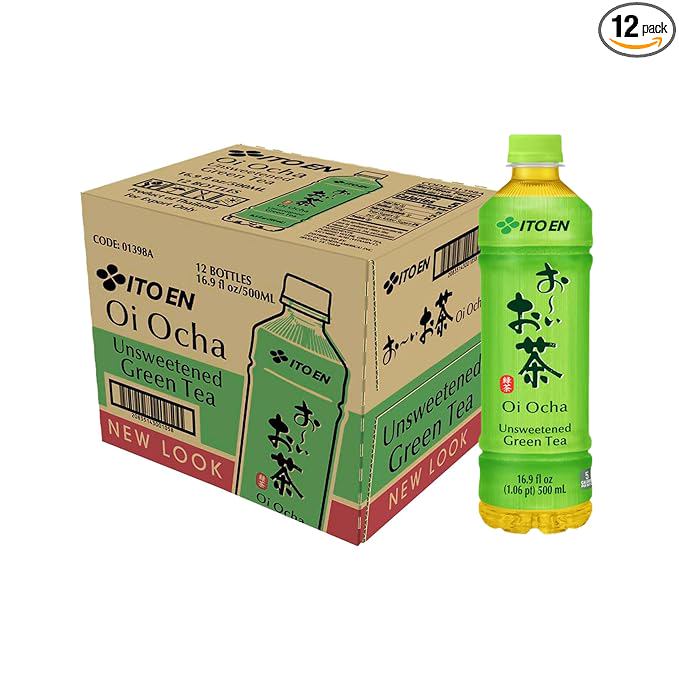
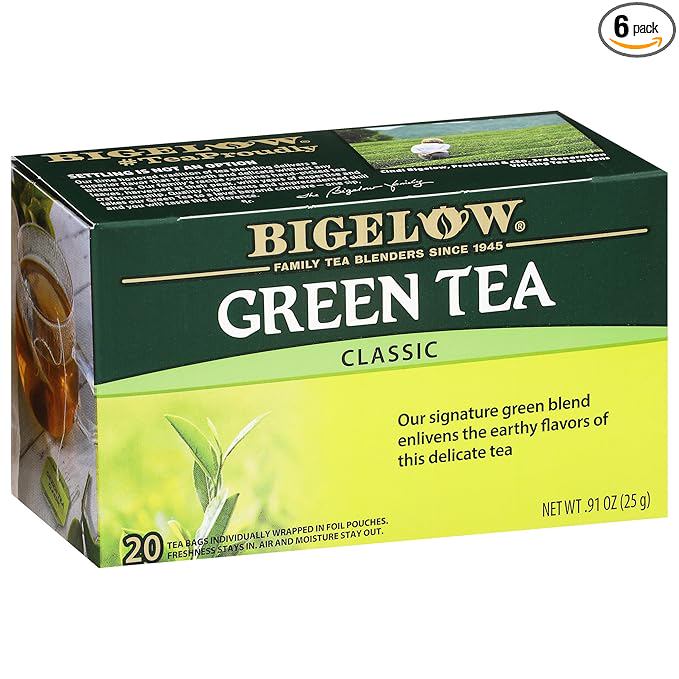
4. Green tea for antioxidant support and gentle energy
Green tea is not just for relaxing. The catechins in green tea—especially epigallocatechin gallate (EGCG)—act as potent antioxidants that may reduce exercise-induced oxidative stress and muscle inflammation. While most research has focused on long-term green tea consumption, acute intake shows promise for easing soreness after resistance training.
Brew a strong cup (two tea bags or one teaspoon of loose leaf per mug) and let it cool to room temperature before drinking. Skip the milk, as dairy proteins can bind to catechins and reduce their absorption. If you want a cold version, brew double-strength and pour over ice. Green tea contains a modest amount of caffeine (about 30–50 mg per cup), which can provide a gentle lift without overstimulating your nervous system. For a post-dinner option, consider decaffeinated green tea—still rich in antioxidants, but without the caffeine that might interfere with sleep.
Practical tips for using these drinks
Whichever option you choose, timing matters. Aim to drink your recovery beverage within 30 to 60 minutes after finishing your weights session. This “anabolic window” is when your muscles are primed to absorb nutrients and start the repair process. Stay consistent: one recovery drink won’t erase a week of poor hydration or nutrition. Drink plenty of plain water throughout the day as your baseline, and use these drinks as a strategic addition, not a replacement.
None of these are miracle cures—some soreness is normal, especially when you increase weight or volume. But incorporating one of these drinks after lifting can make the difference between hobbling around for two days and feeling ready for your next workout. Listen to your body, and choose what fits your taste and digestive comfort.