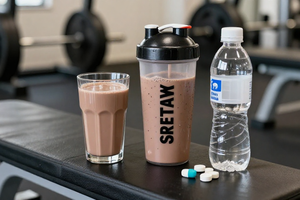

Walking into the gym seven days a week might feel disciplined, but for most people, training every day without rest is a fast track to stalled progress. Strength training tears muscle fibers; recovery days let your body repair them stronger than before. Without rest, you never fully complete that repair cycle, and performance, mood, and even immunity start to slip.
Rest days aren't a sign of weakness. They're a strategic part of any smart strength program. And what you eat on those days matters almost as much as what you eat before a workout. Here’s how skipping rest backfires and how to fuel your recovery so you come back stronger.
Why daily training backfires
When you lift, you create micro-tears in muscle tissue. Your body responds by rebuilding that tissue—a process that requires time, energy, and nutrients. If you hit the same muscle groups again before that repair is finished, you invite a cycle of breakdown rather than growth.
Over time, this can lead to:
- Overtraining syndrome – chronic fatigue, irritability, disrupted sleep, and a plateau or drop in strength
- Elevated cortisol – persistent stress hormone can increase fat storage and reduce muscle synthesis
- Higher injury risk – fatigued muscles and joints don't move as efficiently, raising the odds of strains, tendinitis, and stress fractures
- Weaker immune function – research shows that without adequate recovery, you're more prone to colds and infections
Resistance athletes who push daily often see their progress stall around week three. That's not laziness; it's physiology.
What happens during rest
Real recovery is active biology. Your body synthesizes new proteins to repair muscle fibers, clears metabolic waste (like lactate), restocks glycogen stores, and strengthens connective tissue. Most experts recommend at least one full rest day per muscle group between heavy training sessions—and sometimes two if you're lifting at high intensity.
A common mistake is replacing rest days with “active recovery” that still taxes the same muscles. Gentle walking, light stretching, or mobility work is fine. But a full-body resistance circuit on your “rest day” does not count as rest.
How many rest days do you need?
That depends on your training intensity, volume, age, and sleep quality. A good general guide for strength training:
- Beginners: 2–3 rest days per week
- Intermediate: 1–2 rest days per week
- Advanced: at least 1 full rest day per week, plus scheduled deload weeks
Listen for signs like heavy legs, poor concentration, or elevated morning heart rate. Those are signals that you need more time off, not another set of squats.
What to eat on rest days for better recovery
Rest days are not “free days” to eat poorly. What you put in your body directly influences how well you rebuild. Focus on nutrient density rather than just calories.
Protein for repair
Muscle protein synthesis stays elevated for 24–48 hours after resistance training. Eating protein on rest days—spread across meals—ensures your body has a steady supply of amino acids for repair. Aim for high-quality sources like chicken, fish, eggs, dairy, legumes, or tofu. There's no need to overdo it; about 0.7–0.9 grams per pound of body weight per day covers most strength athletes.
Complex carbohydrates for glycogen
Rest days give your muscles a chance to refill glycogen stores. Instead of sugary snacks, go for whole grains, sweet potatoes, oats, brown rice, or quinoa. These provide a slow release of energy and support hormone balance, including lower cortisol.
Healthy fats for inflammation control
Omega-3 fatty acids from salmon, walnuts, flaxseeds, or chia seeds help reduce exercise-induced inflammation. That doesn't mean you should try to eliminate all inflammation—some is necessary for adaptation—but a reasonable intake of anti-inflammatory fats supports a smoother recovery process.
Colorful vegetables and antioxidants
Vitamins C and E, polyphenols, and other antioxidants found in berries, leafy greens, bell peppers, and cruciferous vegetables help combat oxidative stress from training. These compounds assist in clearing free radicals without blunting the training stimulus.
Hydration and electrolytes
Recovery isn't just about food. Water and electrolyte balance affect every cellular repair process. Rest days are a good time to drink extra water and include foods high in potassium (bananas, potatoes, spinach) and magnesium (nuts, seeds, dark chocolate).
One of the most overlooked recovery tools is tart cherry juice. Studies suggest it can reduce muscle soreness and improve sleep quality—both critical for strength gains.
Common rest-day food mistakes
- Skipping meals or restricting calories too much
- Overeating sugar or processed foods that spike and crash energy
- Relying solely on protein shakes instead of whole foods
- Not eating enough carbohydrate, assuming you don't “need” it since you're not training
Putting it all together
Training every day without rest eventually erodes the very progress you're chasing. By inserting deliberate rest days—and fueling them with balanced, whole-food meals—you give your body the tools to repair, adapt, and come back stronger. Think of rest as part of your training plan, not a detour from it.
Your next lifting session will feel better, you'll reduce your risk of injury, and your strength trajectory will stay on an upward curve for the long haul.