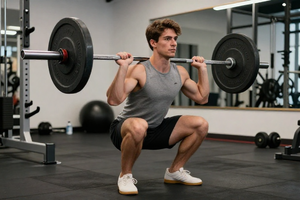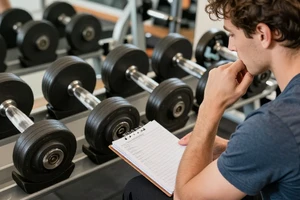

Starting a strength training routine at home doesn't require a garage full of bulky machines or a massive budget. In fact, the most effective home gyms for beginners are built around a handful of versatile, foundational pieces of equipment. Whether you're trying to build muscle, improve bone density, or simply feel stronger in your daily activities, the right tools can make all the difference.
The key is choosing items that allow for progressive overload—gradually increasing the demand on your muscles—without requiring a dozen different specialty gadgets. Below are six beginner-friendly home gym essentials that will help you build a solid strength foundation, improve your form, and stay consistent.
Why Start With a Minimal Home Gym?
Before diving into the gear list, it helps to understand the philosophy behind a minimalist home gym. Many beginners buy too much equipment too soon, which leads to clutter, confusion, and eventually, unused gear gathering dust. A smart approach focuses on compound movements—exercises that work multiple muscle groups at once—using just a few versatile tools.
Research shows that bodyweight exercises, resistance bands, and free weights can produce significant strength gains in untrained individuals, especially in the first 12 weeks. By keeping your setup simple, you remove barriers to starting your workout, which is often the hardest part of building a habit.
1. Adjustable Dumbbells
If you could only buy one piece of equipment for home strength training, adjustable dumbbells would be the top choice. They replace an entire rack of individual dumbbells, saving both space and money. With a simple twist or pin mechanism, you can change the weight in seconds, allowing you to perform everything from bicep curls and shoulder presses to lunges and goblet squats.
For beginners, starting with a pair that ranges from 5 to 25 pounds per dumbbell is typically sufficient. As you get stronger, you can upgrade to heavier sets. The ability to gradually increase weight is crucial for muscle adaptation, which is the foundation of any strength program.
What to Look For
- Quick-change mechanism: Look for dial or pin systems that don't require loosening screws or swapping plates manually.
- Sturdy build: Metal frames with secure locking mechanisms are safer and more durable than plastic alternatives.
- Comfortable grip: Ergonomic handles with knurling or rubber coating reduce slipping during sweaty sessions.
2. Resistance Bands (Loop and Long)
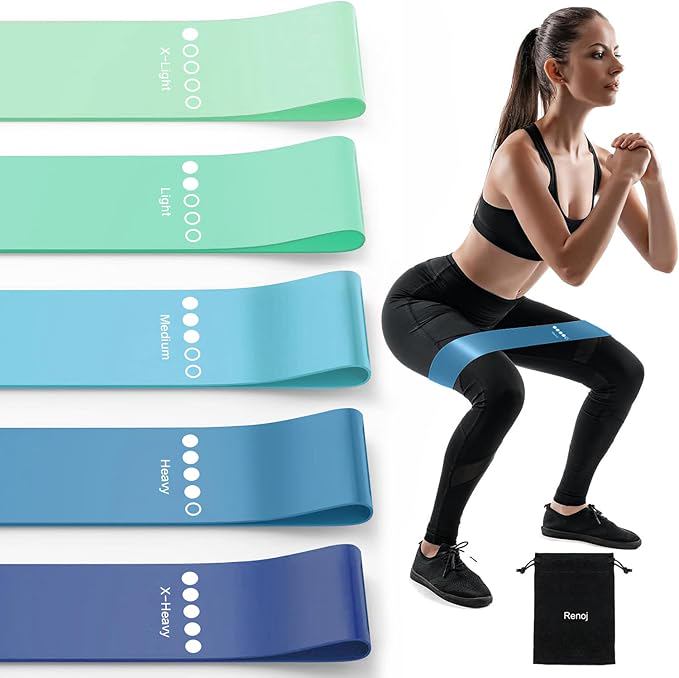
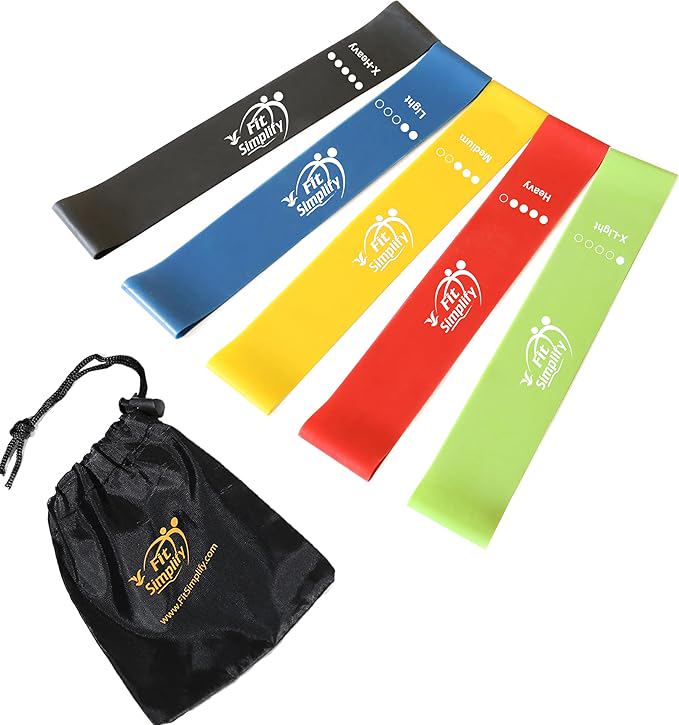
Resistance bands are the unsung heroes of home gyms for beginners. They are lightweight, portable, and offer variable resistance—meaning the band gets harder to stretch as you pull further, which matches the natural strength curve of many exercises. Loop bands (sometimes called mini bands) are excellent for glute activation, lateral walks, and hip thrusts. Long bands with handles allow you to perform rows, chest presses, and overhead pulls by anchoring them to a door frame or sturdy post.
Tip for beginners: Start with a set of three bands offering light, medium, and heavy resistance. This covers everything from rehabilitation exercises to full-body strength sessions without overwhelming your muscles.
Bands are especially valuable for home workouts because they involve eccentric loading—the lowering phase of an exercise—which is critical for muscle growth. They also reduce the stress on joints compared to heavy free weights, making them a safer option when you're still learning proper form.
3. A Sturdy Exercise Mat
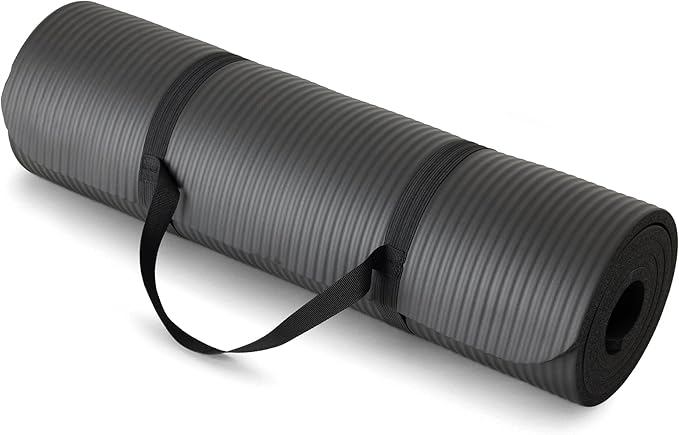
An exercise mat might seem like a minor accessory, but it is essential for comfort, safety, and hygiene. When performing floor exercises like planks, push-ups, glute bridges, or lying leg raises, a mat provides cushioning for your spine and joints. More importantly, it creates a non-slip surface that prevents your hands and feet from sliding during dynamic movements.
Thicker mats (around 6–8 mm) are best for strength training because they absorb impact without being so soft that they destabilize you. Avoid yoga mats for strength work—they tend to be too thin and can bunch up under weights. Look for PVC-free, textured mats that are easy to clean and store.
4. A Kettlebell (One Size)
A single kettlebell is incredibly versatile for strength training. Unlike dumbbells, kettlebells have a center of gravity that shifts during movement, which forces your stabilizer muscles to work harder. This makes them excellent for compound exercises like kettlebell swings, goblet squats, single-leg deadlifts, and Turkish get-ups.
For most beginners, a 15- to 20-pound (8–12 kg) kettlebell is a good starting weight for men, while 10–15 pounds (6–8 kg) works well for women. The goal is to focus on controlled, full-range-of-motion movements rather than ego lifting. As you master the swing and squat patterns, you can eventually size up to heavier bells.
How to Use a Kettlebell Safely
Kettlebell training requires good core stability and shoulder mobility. Start with two-handed swings and goblet squats before attempting single-arm work. Always keep your wrist neutral during overhead movements to avoid hyperextension. A single 20-minute circuit of kettlebell swings, presses, and rows can provide a full-body workout that rivals a gym session.
5. A Pull-Up Bar (Doorway Mounted)
Upper-body pulling strength is often neglected in home workouts, but a doorway pull-up bar solves that problem. It allows you to perform pull-ups, chin-ups, and hanging knee raises—exercises that target the back, biceps, and core simultaneously. These are some of the most efficient strength movements available because they use your entire body weight as resistance.
For beginners who can't yet do a full pull-up, the bar is just as useful for negative reps (lowering yourself slowly from the top position) and assisted band pull-ups. Some bars also allow for inverted rows if you set them low enough, or you can use them with gymnastic rings for additional versatility.
Installation note: Make sure the bar is securely mounted in a door frame that can support your weight. Avoid cheap tension-mounted bars that can slip; look for models with rubberized ends and multiple locking mechanisms.
6. A Stability Ball (or Ab Wheel)
Core strength is the foundation of all lifting, but traditional situps put unnecessary strain on the lower back. A stability ball (Swiss ball) provides a dynamic surface that forces your core to engage constantly during exercises like ball crunches, pikes, and bridges. It can also double as a bench for dumbbell presses or rows, adding an element of instability that recruits more muscle fibers.
Alternatively, an ab wheel is even more compact and just as effective for core strength. It requires little space and offers a high challenge-to-cost ratio. Both options will strengthen the deep stabilizing muscles of your abdomen and lower back, which is essential before you start loading heavier weights.
Putting It All Together: Your First Home Workout
With these six items, you can create a well-rounded strength training routine that hits all major muscle groups. A typical beginner session might look like this:
- Warm-up: 5 minutes of dynamic stretching and light band work (5 minutes)
- Main lifts: Goblet squats (kettlebell), push-ups (floor), bent-over rows (dumbbells)
- Accessories: Bicep curls (dumbbells), overhead press (dumbbells), pull-ups (assisted or negative)
- Core finisher: 3 sets of 10 stability ball crunches or ab wheel rollouts
- Cool down: 3 minutes of gentle stretching
Perform this circuit 2–3 times per week, allowing at least one rest day between sessions. As you get stronger, increase the weight on your dumbbells and kettlebell, try harder resistance bands, or add more repetitions. Consistency and gradual progression are the real secrets to strength gains, not fancy equipment.
Building your home gym doesn't have to happen overnight. Start with one or two essential pieces—like adjustable dumbbells and resistance bands—and add items as your training evolves. Your body will adapt quickly, and within a few weeks, you'll notice improved posture, better endurance, and a newfound confidence in your ability to lift and move.