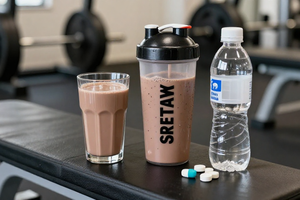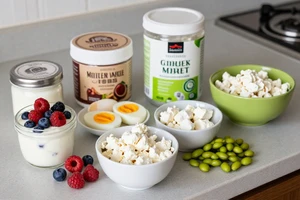

Starting a new strength training routine is an exciting step, but the muscle soreness that follows can sometimes feel like a hurdle. As a new lifter, your muscles are adapting to novel stress, leading to microscopic tears that cause inflammation and stiffness — a process known as delayed onset muscle soreness (DOMS). While this is a natural part of building strength, what you eat plays a significant role in how quickly and effectively your body recovers.
Instead of searching for a magic pill, think of your kitchen as a recovery toolkit. Here are three expert-backed strategies to help you eat smart, reduce soreness, and support your body’s natural repair process.
How can protein timing help with muscle repair?
Protein provides the amino acids your muscles need to repair the tiny tears caused by lifting. For a new lifter, simply eating enough protein throughout the day is more important than rushing to chug a shake seconds after your last rep. Your body has a limited capacity to use protein at one time, so spreading it out helps maintain a steady supply of building blocks.
Focus on including a source of protein at each meal — think eggs at breakfast, grilled chicken or tofu on a lunch salad, and a piece of fish or a plant-based patty at dinner. If you train early or in a fasted state, having a moderate protein meal (around 20–30 grams) within two hours post-workout can give your muscles the raw materials they need without causing digestive stress. This consistent intake helps reduce the duration and intensity of soreness by supporting efficient repair.
Which anti-inflammatory foods soothe aching muscles?
Inflammation is a key feature of DOMS, and certain foods contain compounds that help modulate this process naturally. This does not mean eliminating all inflammation — it is a necessary recovery signal — but overly aggressive inflammation can worsen discomfort and delay healing. Adding anti-inflammatory whole foods to your diet helps the process run more smoothly.
These foods work by providing antioxidants and phytonutrients that counteract excessive oxidative stress from exercise:
- Berries: Blueberries, strawberries, and raspberries are rich in anthocyanins, which can reduce muscle soreness when eaten regularly. Toss a handful into oatmeal or a smoothie.
- Fatty fish: Salmon, mackerel, and sardines are packed with omega-3 fatty acids, known for their role in lowering post-exercise inflammation. Aim for two servings per week.
- Leafy greens: Spinach and kale contain vitamin C and other antioxidants. A big salad or a greens-based smoothie can be a simple recovery meal.
- Beetroot: Beets are rich in nitrates, which improve blood flow and may help reduce muscle pain and damage. Try roasted beets or a glass of beet juice after a tough session.
A quick note: These are supportive foods, not substitutes for proper hydration and sleep. Whole foods work best when they are part of a balanced routine.
Why is hydration crucial for reducing soreness?
Water is involved in nearly every recovery process, from transporting nutrients to clearing waste products like lactic acid. Even mild dehydration can intensify muscle pain and stiffness because your cells are less efficient at repair. As a new lifter, you might not realize how much fluid you lose during a workout, especially if you are not used to sweating heavily.
Prioritize drinking water consistently throughout the day, not just when you feel thirsty. A good rule of thumb is to drink about half your body weight in ounces of water daily, then add extra around your training session. For example, a person weighing 150 pounds would aim for roughly 75 ounces of water. Electrolytes — particularly sodium and potassium — also matter. While plain water works for shorter sessions, consider adding a pinch of sea salt to your water or eating a banana post-workout to replenish potassium. Proper hydration helps your muscles stay supple and reduces the perception of soreness.
Putting these three principles together — spaced protein intake, anti-inflammatory whole foods, and steady hydration — creates a foundation for recovering stronger. There is no single superfood that erases soreness, but consistent, smart nutrition gives your body exactly what it needs to adapt and grow. Be patient with the process, listen to your body, and let your food work for you.