Starting a strength training routine is exciting, but the delayed onset muscle soreness that hits a day or two later can be a real deterrent. While some discomfort is a normal sign of adaptation, the goal isn't to eliminate it entirely—it's to support your body's natural repair process so you can recover effectively and get back to your next workout feeling ready.
Registered dietitians emphasize that what you eat in the hours and days following a workout can directly influence how quickly your muscles rebuild and how intense that soreness feels. The focus isn't on a single magic food, but rather on a strategic combination of nutrients that work together to reduce inflammation, replenish energy stores, and provide the raw materials for muscle protein synthesis.
Why protein is non-negotiable for muscle repair
When you lift weights or perform resistance exercises, you create microscopic tears in your muscle fibers. Your body repairs these tears by fusing muscle fibers together to increase their size and strength—a process that requires amino acids, which are the building blocks of protein. Consuming adequate protein after a workout gives your body the tools it needs to complete this repair efficiently.
Aim for about 20 to 40 grams of protein within two hours after your workout. This window is when your muscles are most receptive to nutrient uptake.
- Lean poultry and fish such as chicken breast, turkey, salmon, and tuna provide complete proteins with all essential amino acids.
- Eggs are a versatile, quick source of high-quality protein, with the yolk containing beneficial vitamins like D and B12.
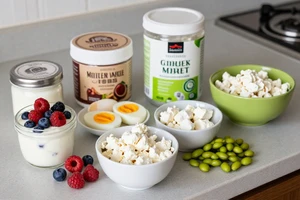
- Greek yogurt and cottage cheese offer casein protein, which digests slowly and provides a steady stream of amino acids overnight.
- Plant-based options like tofu, tempeh, lentils, and chickpeas can easily meet protein needs when combined with whole grains.
Complex carbohydrates refuel and reduce cortisol
Carbohydrates often get overlooked in recovery conversations, but they play a critical role in replenishing glycogen stores—your muscles' primary fuel source. Without adequate carbs, your body may break down muscle tissue for energy, counteracting your repair efforts. Additionally, consuming carbs helps lower cortisol, the stress hormone that can rise after intense exercise and contribute to muscle breakdown.
Pairing protein with a carbohydrate source is one of the most effective strategies you can use. Good post-workout carb choices include:
- Sweet potatoes or regular potatoes
- Brown rice or quinoa
- Oats
- Fruits like bananas, berries, and oranges
- Whole grain bread or tortillas
Anti-inflammatory foods to ease soreness
While some inflammation is necessary for healing, excessive inflammation can amplify soreness and slow down recovery. Certain foods contain compounds that help modulate the inflammatory response, making your post-workout experience more comfortable.
Tart cherries and their unique benefits
Tart cherry juice has been studied for its ability to reduce markers of inflammation and oxidative stress after exercise. The anthocyanins responsible for the deep red color appear to work similarly to some anti-inflammatory medications—but without the side effects. A small glass of unsweetened tart cherry juice post-workout, or even a serving of dried tart cherries, can be a smart addition to your recovery routine.
Fatty fish for omega-3s
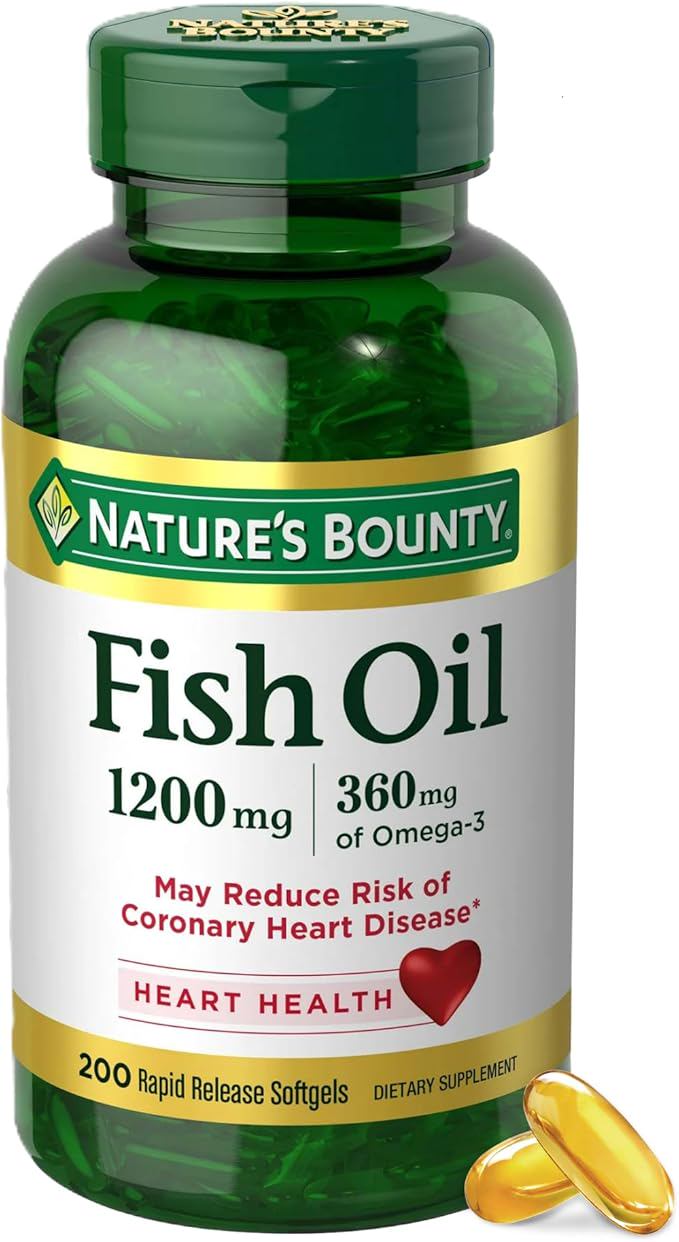
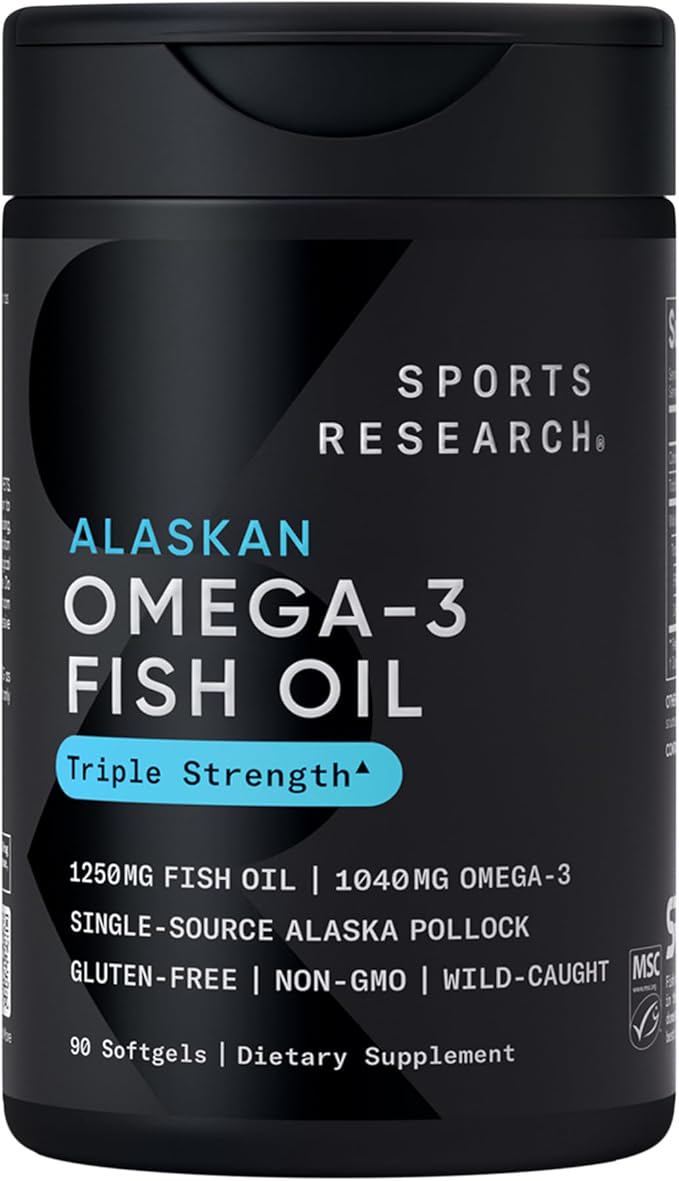
Salmon, mackerel, sardines, and anchovies are rich in omega-3 fatty acids, which are well-documented for their anti-inflammatory properties. Including fatty fish in your diet two to three times per week can help reduce the severity of delayed onset muscle soreness and support overall joint health.
Colorful fruits and vegetables
The wider the variety of colors on your plate, the more diverse the antioxidants you're consuming. Berries, spinach, kale, bell peppers, and broccoli all contain polyphenols and vitamins that help neutralize free radicals generated during exercise. This doesn't mean you need a massive salad immediately after lifting—just make sure your overall daily intake includes plenty of produce.
Electrolytes and hydration for muscle function
Dehydration can exacerbate muscle soreness and impair recovery. During a workout, you lose water and electrolytes through sweat—primarily sodium, potassium, and magnesium. Replenishing these is essential for proper muscle contraction and relaxation, and it helps prevent cramping.
Water is usually sufficient for sessions under an hour. For longer or more intense workouts, consider adding an electrolyte source like coconut water, a pinch of salt in your water, or a piece of fruit like a banana for potassium. Magnesium-rich foods such as almonds, spinach, and pumpkin seeds also support muscle relaxation.
Putting it all together: a recovery plate for beginners
If you're just starting out, keep it simple. A balanced recovery meal or snack should include a protein source, a carbohydrate source, and some colorful produce. Here are a few straightforward ideas:
- Grilled chicken, roasted sweet potatoes, and steamed broccoli
- Greek yogurt with berries and a drizzle of honey
- Egg scramble with spinach, tomatoes, and a side of whole grain toast
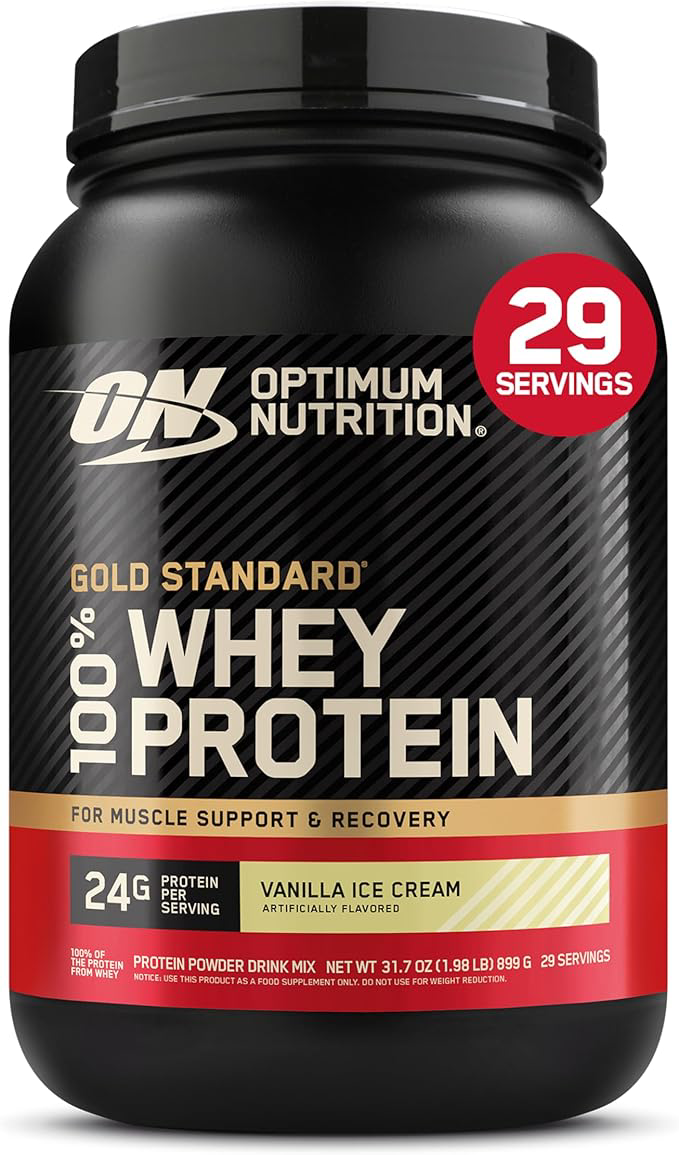
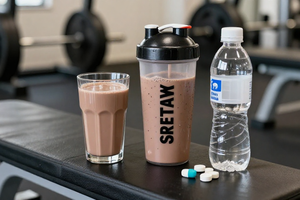
- Smoothie made with banana, frozen cherries, spinach, and a scoop of protein powder
The bottom line: beginner muscle recovery isn't about complicated meal plans or expensive supplements. It's about consistently giving your body the foundational nutrients it needs—protein, carbs, anti-inflammatory compounds, and hydration. Over time, these habits will help you build strength while keeping soreness manageable so you stay motivated and consistent with your training.