
You crushed your workout. Now your muscles are letting you know about it. That familiar ache — delayed onset muscle soreness, or DOMS — is a sign you pushed your fibers to adapt and grow. But you don’t have to just suffer through it. What you eat in the hours after training can directly influence how sore you feel tomorrow and how quickly you recover.
This isn’t about chugging a single magic shake. A smart post-workout meal combines key nutrients in a way that supports muscle repair, reduces inflammation, and replenishes your energy stores. Here’s how to build one that actually fights soreness.
Why the right meal helps with soreness
Muscle soreness after exercise comes from microscopic tears in muscle fibers and the inflammatory response your body mounts to repair them. The goal of a recovery meal is twofold: give your body the raw materials to rebuild those fibers, and provide compounds that calm excessive inflammation without blocking the repair process.
Protein supplies amino acids, especially leucine, which directly kick-starts muscle protein synthesis. Carbohydrates restore glycogen and help drive amino acids into muscle tissue. Certain fats and phytonutrients can modulate inflammation. Getting these together shortly after your workout — ideally within 30 to 60 minutes — makes the most of your body’s heightened sensitivity to nutrients.
Start with enough high-quality protein
This is non-negotiable. Research consistently shows that consuming around 20 to 40 grams of protein post-workout supports muscle repair and can reduce markers of soreness compared to eating less or nothing at all.
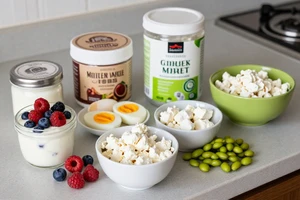
Look for complete proteins — those that contain all essential amino acids. Options include:
- Chicken, turkey, or lean beef
- Eggs (whole eggs or whites)
- Greek yogurt or cottage cheese
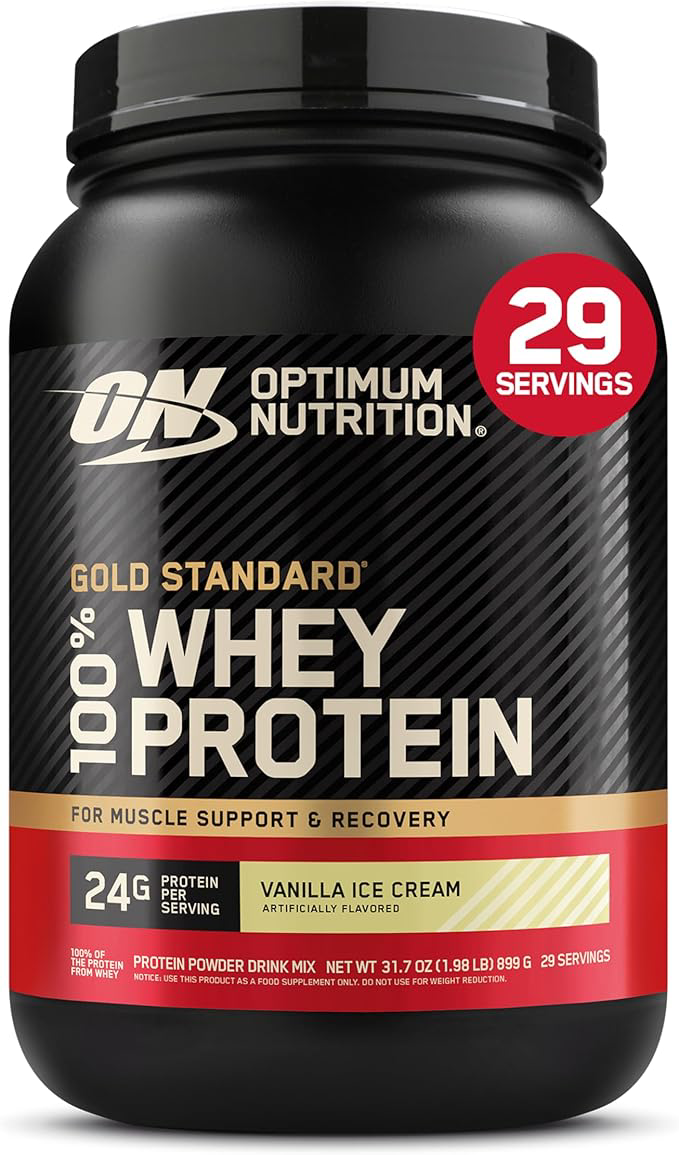
- Whey or plant-based protein powders (pea, soy, or rice blends)
- Fish like salmon or tuna (which also offer anti-inflammatory omega-3s)
If you eat plant-based, combine sources like quinoa, lentils, or tofu to ensure you get a full amino acid profile. A little extra protein in that first meal helps more than you might think.
Don’t skip the carbs
Carbohydrates often get overlooked in the quest for protein, but they are critical for fighting soreness. Carbs stimulate insulin release, which helps shuttle amino acids into muscle cells. They also replenish glycogen — your muscles’ primary fuel — so you feel less fatigued and recover faster between sessions.
Aim for a carb-to-protein ratio of about 2:1 or 3:1 for most endurance or strength workouts. Good carb sources include:
- Sweet potatoes, white potatoes, or russets
- Brown rice, quinoa, or oats
- Fruits — berries, bananas, cherries (tart cherry juice has its own research for soreness reduction)
- Whole-grain bread or pasta
Add anti-inflammatory ingredients
While some inflammation is necessary to trigger adaptation, you can dampen the excessive soreness without blunting gains by including specific foods rich in polyphenols and healthy fats.
Omega-3 fatty acids. Found in salmon, sardines, walnuts, flaxseeds, and chia seeds. Omega-3s help reduce muscle soreness and improve range of motion after eccentric exercise. A serving of fatty fish two to three times a week, or a small handful of walnuts in your post-workout bowl, makes a difference.
Tart cherries and berries. Tart cherry juice or dried cherries have been shown to lower markers of inflammation and oxidative stress after intense exercise. Blueberries, strawberries, and raspberries offer similar benefits. Toss a handful into a smoothie or oatmeal.
Leafy greens and colorful vegetables. Spinach, kale, bell peppers, and broccoli deliver antioxidants that help clear metabolic waste from muscles. They also provide magnesium, which supports muscle relaxation and reduces cramping.
Spices. Turmeric (especially when paired with black pepper for absorption) and ginger have research backing their ability to reduce exercise-induced muscle pain. Add a teaspoon of turmeric to a curry or smoothie, or sip ginger tea.
Hydration is part of the meal
Dehydration amplifies soreness and slows recovery. Water is essential, but if you sweat heavily, you also need electrolytes — sodium, potassium, and magnesium. A simple way to cover this is to drink water with your meal and include electrolyte-rich foods:
- A banana for potassium
- A pinch of salt in your post-workout water or food
- Coconut water for natural electrolytes
- Dark leafy greens for magnesium
A quick tip: If your urine is dark yellow after a workout, you likely need more fluids. Sip water throughout your meal and over the next hour.
Three sample meals that hit all the marks
You don’t need complicated recipes. Here are three balanced, whole-food combinations that fight soreness and taste great.
1. Salmon bowl
Grilled or baked salmon (4–6 oz) over a bed of quinoa with roasted sweet potatoes, sautéed spinach, and a drizzle of olive oil. Finish with a handful of blueberries or a glass of tart cherry juice. This meal delivers protein, complex carbs, omega-3s, and antioxidants in one bowl.
2. Greek yogurt power bowl
1 cup plain Greek yogurt mixed with ½ cup cooked oats, 1 sliced banana, a handful of walnuts, and a sprinkle of cinnamon and turmeric. This is quick, portable, and loaded with protein, carbs, and anti-inflammatory fats.
3. Chicken stir-fry
Stir-fry 5 oz of chicken breast with broccoli, bell peppers, and carrots. Serve over brown rice and top with a sauce made from ginger, garlic, and a touch of turmeric. Garnish with sesame seeds. This meal is rich in protein, fiber, vitamins, and natural inflammation modulators.
What about timing and supplements?
The “anabolic window” — the idea that you must eat within 30 minutes or your gains are lost — is not as narrow as once believed. You have a few hours after exercise to get those nutrients in, but earlier is generally better for soreness reduction. If you can’t manage a full meal right away, a protein shake with a banana can bridge the gap.
As for supplements, whole foods should be your foundation. If you choose to use protein powder or fish oil capsules, know that they can be helpful additions but are not replacements for a nutrient-dense meal. Always follow label directions and avoid megadoses.
Building a post-workout meal that fights soreness doesn’t need to be complicated. Focus on protein, carbs, colorful plants, healthy fats, and hydration. Your muscles will thank you tomorrow — and your next workout will feel a lot better.