After a tough workout, your muscles are primed for repair. That process requires two key things: stimulus from the exercise itself, and the raw materials to rebuild stronger. Protein provides those essential building blocks—amino acids—that mend the microscopic tears in muscle fibers caused by training. While your main meals lay the foundation, strategically timed snacks can be a powerful tool to keep that repair process humming along smoothly throughout the day.
We asked nutritionists for their go-to, real-world recommendations. The best snacks are not just about grams of protein; they combine that protein with other nutrients for sustained energy, are convenient enough to actually eat, and taste good. Here are seven standout options that meet all the criteria for effective muscle repair.
The Role of Protein in Muscle Repair
Think of your muscles as a structure constantly under renovation. Strength training creates the need for renovation by causing small amounts of stress and damage. Protein is the delivery of new bricks, lumber, and wiring to the construction site. The amino acids in protein, particularly leucine, trigger a process called muscle protein synthesis, which is the body's way of repairing and building new muscle tissue.
Consuming protein after exercise helps shift the body from a state of breakdown (catabolism) to building (anabolism). A snack containing 15-25 grams of protein in the window after your workout can effectively stimulate this repair process. But it’s not just about the post-workout shake; consistent protein intake across the day supports ongoing recovery.
Nutritionist-Recommended Snacks
1. Greek Yogurt with Berries and Nuts
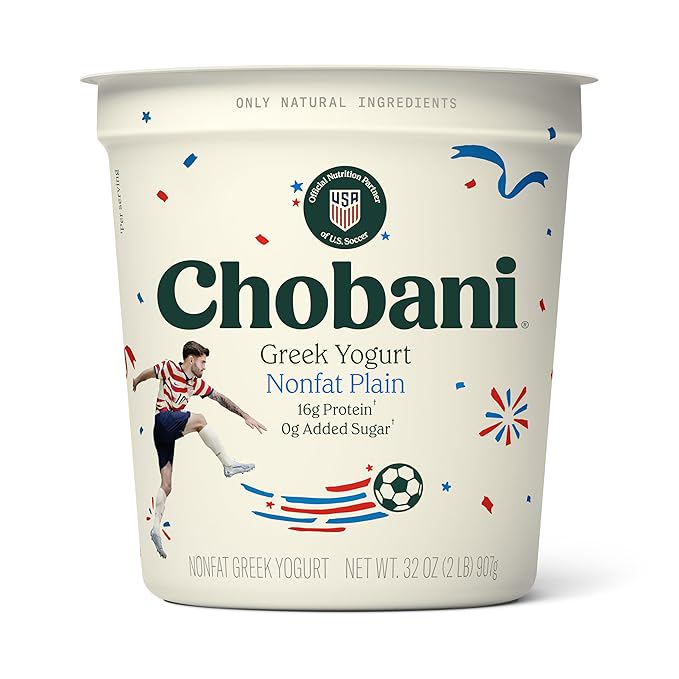
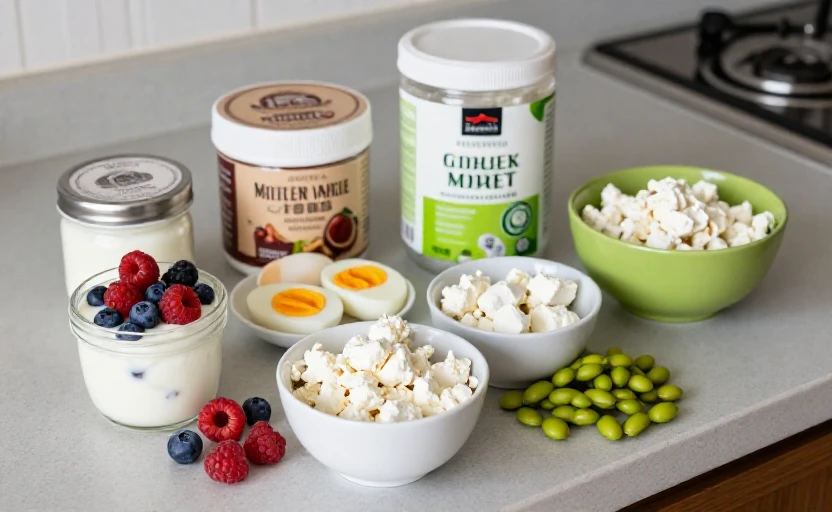
A single cup of plain Greek yogurt can pack 20 grams of protein or more. It’s also a source of calcium and probiotics. Nutritionists favor pairing it with a handful of berries for antioxidants, which help combat exercise-induced inflammation, and a sprinkle of nuts or seeds for healthy fats and a satisfying crunch. This combination provides a slow, steady release of amino acids into the bloodstream.
Choose plain yogurt to avoid added sugars, and let the fruit provide the natural sweetness.
2. Hard-Boiled Eggs
A classic for good reason. Eggs are a complete protein, meaning they contain all nine essential amino acids your body can’t make on its own. Two hard-boiled eggs offer about 12 grams of high-quality protein, along with choline for cell health and vitamin D. Their portability is unmatched—cook a batch at the start of the week for a grab-and-go option.
3. Cottage Cheese with Pineapple or Peach
Cottage cheese is a slow-digesting casein protein powerhouse. Half a cup of low-fat cottage cheese provides roughly 14 grams of protein. The casein forms a gel in the stomach, leading to a gradual amino acid release that can fuel muscle repair for hours. Adding a few chunks of pineapple or peach introduces enzymes like bromelain that may further aid in reducing muscle soreness.
4. Turkey or Chicken Roll-Ups
For a savory, satisfying bite, lean deli turkey or chicken breast is an excellent choice. Three ounces of roasted turkey breast delivers around 25 grams of protein. For a balanced snack, roll a few slices around avocado slices, cucumber sticks, or a smear of hummus. This adds fiber and healthy fats, turning a simple protein source into a more rounded, satiating mini-meal.
Look for low-sodium varieties or, better yet, use leftover roasted chicken or turkey you’ve prepared yourself.
5. Edamame
This plant-based option is a favorite for its simplicity and nutrient profile. A one-cup serving of shelled edamame provides about 17 grams of protein, plus a significant amount of fiber and micronutrients like folate and vitamin K. The fiber helps regulate energy levels, preventing a crash. You can buy it frozen, steam it in minutes, and sprinkle with a little sea salt or chili flakes.
6. Tuna Salad on Whole-Grain Crackers
Canned tuna is an affordable, high-protein staple. A 3-ounce serving has about 20 grams of protein. Mix it with a tablespoon of Greek yogurt or mashed avocado instead of heavy mayonnaise, add some diced celery for crunch, and spoon it onto a few whole-grain crackers. You get the protein from the tuna, complex carbohydrates from the crackers, and healthy fats from the avocado—a perfect recovery trifecta.
7. Protein Smoothie
When you need something quick and easily digestible, a smoothie is ideal. The formula is simple: a liquid base (water, milk, or a milk alternative), a scoop of protein powder or a serving of Greek yogurt, a handful of greens like spinach, and some fruit for flavor. This allows you to tailor the protein content precisely and add other recovery-supportive nutrients like potassium from bananas or antioxidants from berries.
Aim for a balance that doesn’t turn your snack into a high-calorie meal unless that’s your intention.
What to Look For in a Recovery Snack
Beyond just protein content, the most effective snacks consider timing, digestibility, and additional nutrients. A snack consumed immediately after a workout might be more liquid-based for quick absorption, while one eaten an hour later can include more fiber and fat. Pairing protein with a carbohydrate source can help replenish glycogen stores in your muscles, which is especially important after endurance training.
Listen to your body. Some people feel great after a dairy-based snack, while others might prefer a plant-based option. The best snack is the one you’ll consistently enjoy and that makes you feel energized, not sluggish.
Timing and Consistency Matter
While the 30-minute “anabolic window” post-workout is less rigid than once thought, it’s still a good practice to consume protein within a couple of hours of training. More importantly, spreading your protein intake evenly across the day—including through smart snacks—keeps your body in a muscle-supportive state. Think of these snacks as part of your overall dietary pattern, not isolated magic bullets.
Recovery happens over 24 to 48 hours, so what you eat at your next meal, and even the next day, continues to support the process. Hydration and quality sleep are the other non-negotiable partners in this dance of repair and growth.