
You crush your last rep, rack the weight, and head straight for the shower. Grabbing a bite afterward feels optional—or even counterproductive if you are watching your intake. Many lifters deliberately skip the post-lift snack, assuming they are saving calories or that the anabolic window is a myth. The reality is more nuanced. When you bypass that refueling step repeatedly, your muscle repair processes take a direct hit, and the strength gains you worked for begin to erode.
Understanding what happens inside your muscles after a hard set clarifies why a snack matters. Resistance training creates micro-tears in muscle fibers. Your body rebuilds those fibers during the recovery period, using amino acids from protein and glycogen from carbohydrates. Without a fresh supply, that rebuilding slows down, and your next session suffers.
What Actually Happens When You Skip the Snack
After a workout, your muscles are primed to shuttle nutrients into cells. This heightened sensitivity to insulin and amino acids lasts for a couple of hours. If nothing is available, your body shifts into a catabolic state—it starts breaking down existing muscle protein to find the amino acids it needs for repair. Over time, this net loss of muscle protein undermines the very purpose of strength training.
Blood sugar regulation also plays a role. Intense lifting depletes glycogen stores in your muscles and liver. Without replenishment, you may feel unusually fatigued later in the day, experience brain fog, or notice that your next workout feels heavier than it should. This is not just about comfort; it is a signal that recovery is incomplete.
Does the Anabolic Window Really Matter?
The phrase anabolic window has been debated heavily, with some arguing that meal timing is irrelevant as long as you hit your daily totals. For most people who eat several meals spread across the day, missing a single post-workout snack is not catastrophic. However, for those who train fasted, lift early in the morning, or have a long gap between their workout and their next meal, the timing becomes critical.
A 2017 review in the Journal of the International Society of Sports Nutrition notes that consuming protein within two hours post-exercise optimizes muscle protein synthesis, especially when the pre-workout meal was small or absent.
If your last meal was three or four hours before lifting, and you then wait another two to three hours to eat afterward, you are effectively leaving your muscles without a key building block for five to seven hours during a period of high metabolic demand. That is the scenario where skipping backfires most.
The Protein Quality and Quantity Factor
Not all snacks are equal. A handful of almonds or a piece of fruit provides little leucine, the amino acid that directly triggers muscle protein synthesis. What you need is a dose of high-quality protein—roughly 20 to 40 grams, depending on your body size and the intensity of your session—along with some carbohydrates to restore glycogen.
Common post-lift options that do the job include:
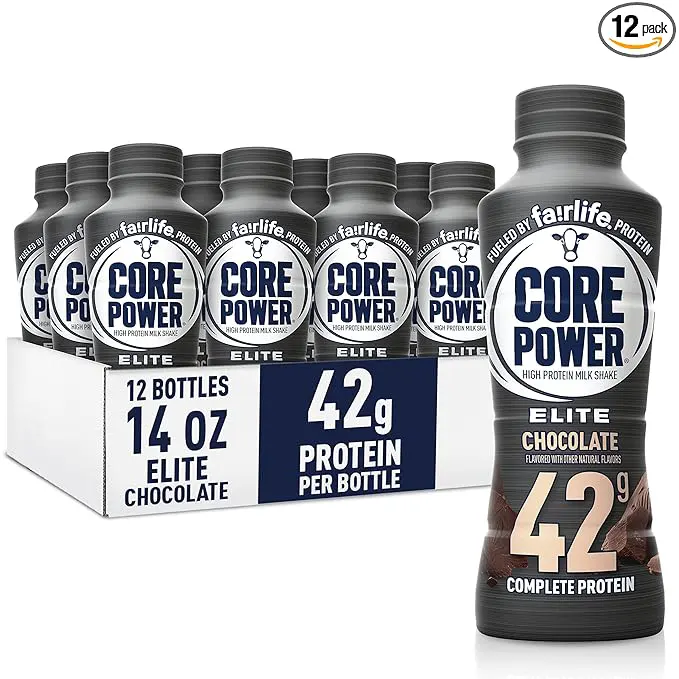
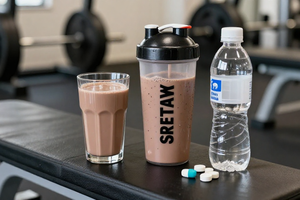
- Whey or plant-based protein powder mixed with milk or water
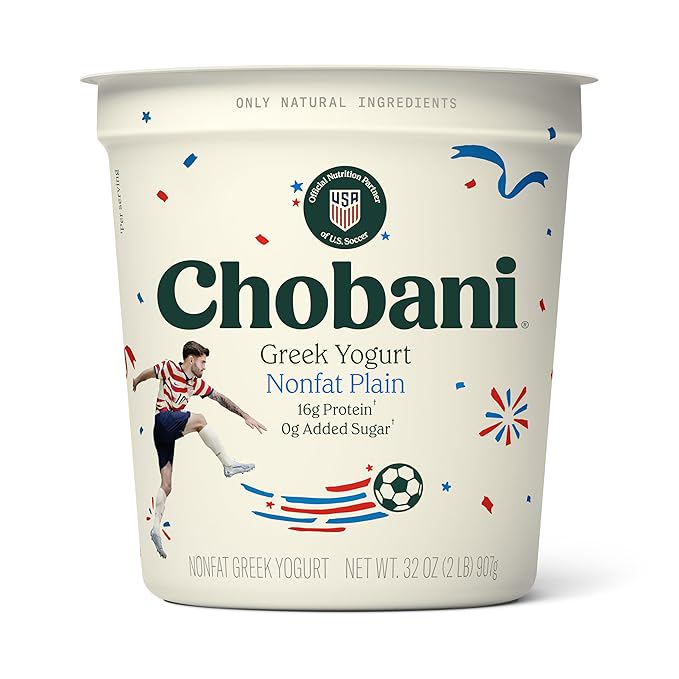
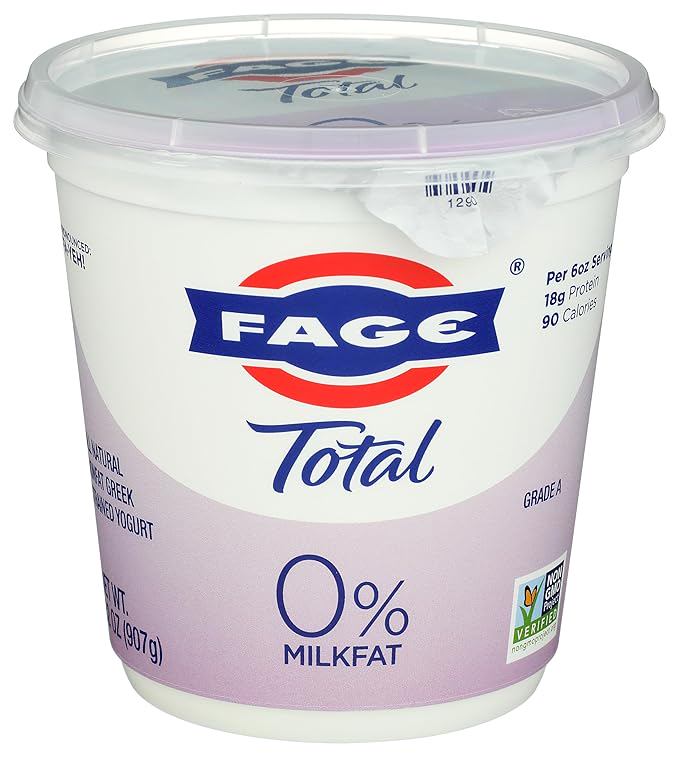
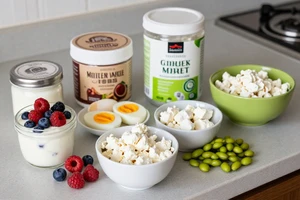
- Greek yogurt with berries and a drizzle of honey
- A turkey or chicken sandwich on whole-grain bread
- Cottage cheese with sliced pineapple or peaches
- Chocolate milk (a surprisingly effective recovery drink due to its carb-to-protein ratio)
Skipping these in favor of nothing, or a snack that is mostly fat with minimal protein, means you miss the window where your muscles are most willing to accept those nutrients.
How Appetite Suppression After Lifting Misleads You
Many lifters report feeling no hunger immediately after a hard workout. This is physiological: blood flow is diverted away from the digestive tract toward working muscles, and exercise suppresses ghrelin, the hunger hormone. Relying on that lack of appetite as a signal to skip eating is a mistake. By the time hunger returns—often an hour or two later—the optimal repair window has narrowed.
A simple hack is to prepare a portable snack beforehand and eat it before you shower or change. You do not need a full meal; even a 15- to 20-gram protein shake or a carton of Greek yogurt is enough to shift your body out of a catabolic state and toward repair.
Fatigue, Soreness, and Sleep Disruption
People who skip the post-lift snack regularly report longer-lasting muscle soreness and more pronounced fatigue the next day. This is not anecdotal: studies show that post-exercise nutrition reduces markers of muscle damage and accelerates recovery of strength. Furthermore, inadequate glycogen replenishment can interfere with sleep quality. Your brain uses glycogen for stability during sleep cycles, and when stores are low, you may wake more frequently or feel less rested.
Practical Takeaways for Lifters
If you are skipping post-lift snacks to save calories for later or because you think it helps with fat loss, reconsider the trade-off. The marginal calorie savings are offset by slower recovery, reduced performance in subsequent workouts, and potentially less muscle gained over weeks and months. For fat-loss goals, it is better to manipulate calories elsewhere—such as by adjusting portion sizes at main meals—rather than starving your muscles when they need fuel most.
This habit is not about rigid rules or expensive supplements. It is about giving your body what it needs to do the job you just asked of it. Twenty to thirty grams of protein and a serving of carbs within an hour or two of finishing your last set will pay back in better recovery, less soreness, and steadier progress.