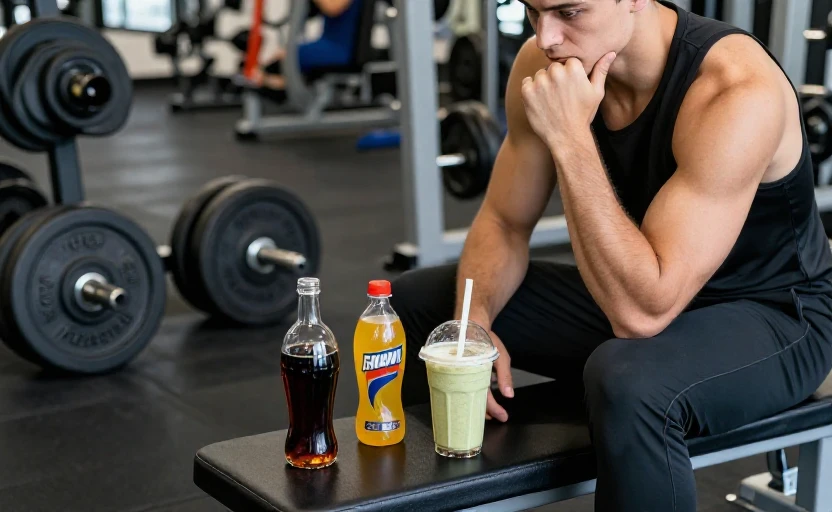
You’ve just finished a demanding strength session. Your muscles are humming, you’re spent, and your first instinct is to reach for something to drink. That choice matters more than you might think. While hydration is non-negotiable for recovery, what’s in your glass can either support the hard work you just did or subtly undermine it. Some popular post-workout drinks can interfere with muscle repair, rehydration, and even your long-term fitness goals. Let’s look at three common recovery drink choices that are best saved for another time.
Why Your Post-Workout Drink Matters
After you lift weights, your body enters a critical window for repair. Muscle fibers have experienced micro-tears, glycogen stores are depleted, and fluid balance needs restoration. The nutrients you provide—or don’t provide—during this time set the stage for how well you recover, adapt, and grow stronger. The right beverage can help shuttle nutrients, reduce inflammation, and rehydrate you. The wrong one can promote inflammation, slow protein synthesis, or even lead to dehydration, leaving you more sore and less ready for your next session.
1. Sugary Sports Drinks and Sodas
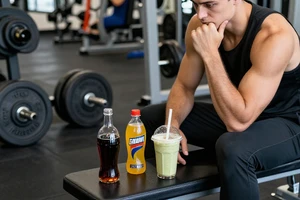
It’s easy to think you’ve “earned” a sweet, fizzy reward after a tough workout. But pouring a sugar-laden soda or even a conventional sports drink down your throat post-lift is counterproductive for most strength trainers.
These beverages deliver a massive hit of simple sugars, often high-fructose corn syrup, causing a rapid spike and subsequent crash in blood sugar. This rollercoaster can leave you feeling fatigued rather than refreshed. More importantly, that sugar surge triggers a significant inflammatory response in the body. Since strength training itself creates a controlled, beneficial level of inflammation to signal repair, adding a pro-inflammatory drink on top can amplify soreness and slow the recovery process.
For pure rehydration after strength training, water or an electrolyte drink with minimal sugar is almost always a better choice than a high-sugar soda or sports drink.
Furthermore, unless your session was exceptionally long and intense (over 90 minutes of continuous, high-effort activity), you likely don’t need the sheer volume of quick carbohydrates these drinks provide. That sugar is more likely to be stored as fat than used to refill muscle glycogen after a typical hour-long weightlifting session.
2. Alcoholic Beverages
Grabbing a beer with friends after the gym might be a social ritual, but from a recovery standpoint, it’s one of the most disruptive choices you can make. Alcohol is a diuretic, meaning it increases fluid loss through urine, directly opposing your need to rehydrate after sweating.
The impact goes deeper than dehydration. Alcohol consumption post-exercise has been shown in research to impair muscle protein synthesis—the very process by which your muscles repair and grow. It can also disrupt sleep architecture, particularly reducing the quality of deep, restorative sleep that is crucial for hormonal balance and recovery. Since your body prioritizes metabolizing the alcohol as a toxin, other recovery processes, like nutrient absorption and tissue repair, get sidelined.
3. High-Fat Milk or Cream-Based Smoothies
This one requires a bit of nuance. A smoothie with protein, fruit, and a liquid base can be an excellent recovery tool. The problem arises when it’s made with large amounts of high-fat dairy like whole milk, heavy cream, or full-fat yogurt as the primary liquid.
Dietary fat, while healthy in a balanced diet, slows down digestion. After a workout, your goal is to get nutrients—especially protein and some carbohydrates—into your bloodstream and muscles relatively quickly to kickstart repair and replenishment. A drink high in fat creates a traffic jam in your digestive system, delaying the delivery of those crucial nutrients.
This doesn’t mean you must avoid fat entirely post-workout. A small amount from a spoonful of nut butter or some avocado in your smoothie is fine. But making a high-fat liquid the foundation of your recovery drink means you’re missing the optimal timing for nutrient uptake.
What to Reach for Instead
So, what does support recovery? Your best bets are simple, purposeful beverages that address your body’s immediate needs: hydration, protein for repair, and a modest amount of carbs to replenish energy stores.
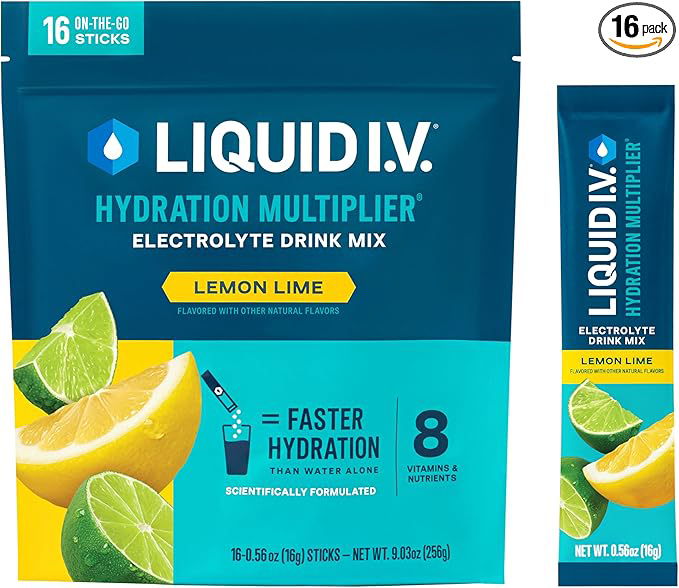
- Water: Always the foundation. If your session was particularly sweaty, consider water with a pinch of salt or a sugar-free electrolyte tablet.
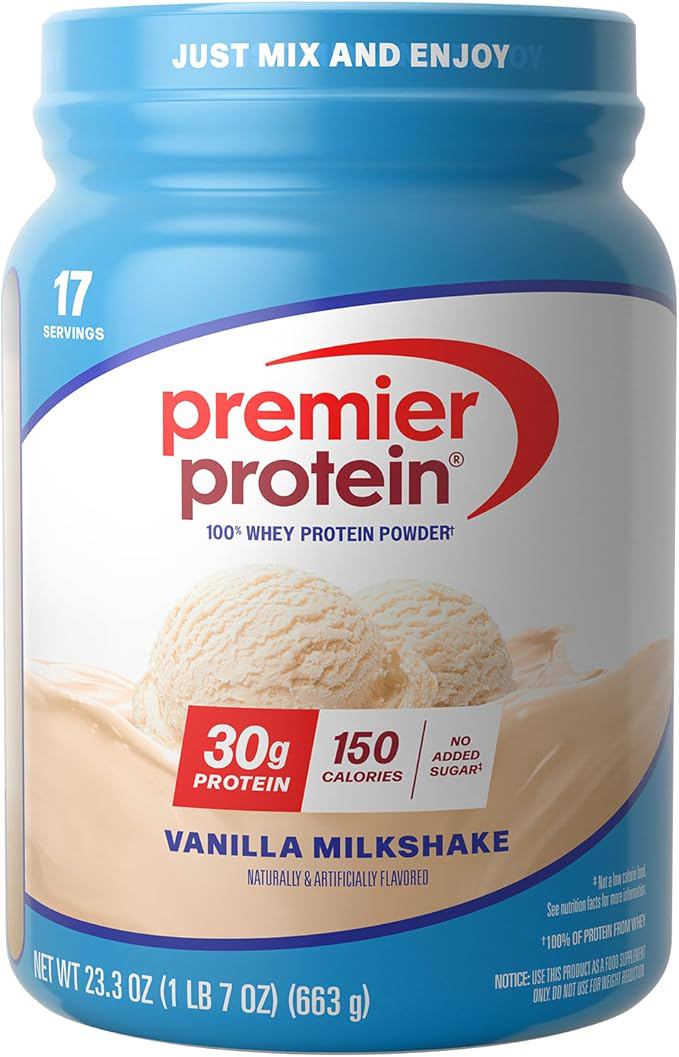
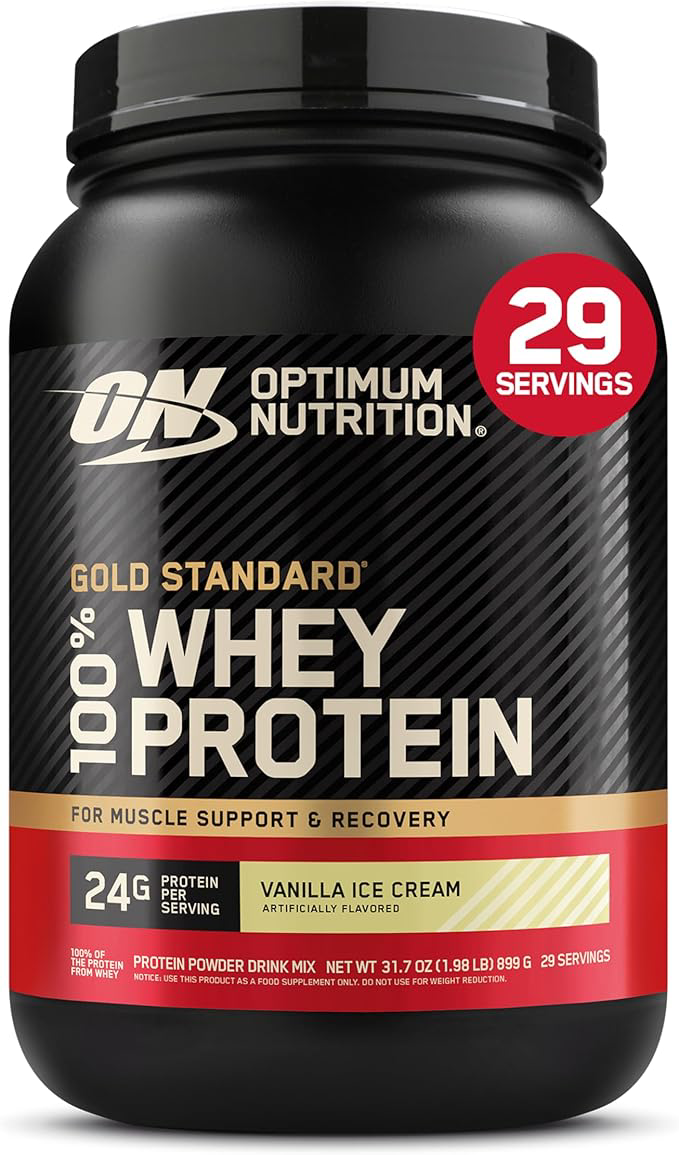
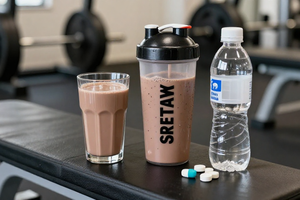
- Protein Shake: A shake with 20-30 grams of whey, plant-based, or other protein provides the amino acids your muscles need to rebuild.
- Tart Cherry Juice: In moderation, its natural anti-inflammatory compounds may help reduce post-exercise muscle soreness.
- A Simple Carb+Protein Combo: Chocolate milk (low-fat) is a classic example—it provides fluid, protein, carbs, and electrolytes in a balanced ratio.
Listen to your body. The thirst you feel after lifting is a real signal. By choosing a drink that hydrates and nourishes without introducing inflammatory sugars, dehydrating agents, or digestive delays, you’re doing your future self—and your next workout—a significant favor.