You made it through a balanced lunch — chicken and greens, maybe a quinoa bowl — yet by two o'clock your brain is screaming for something sweet. A cookie, a square of chocolate, a spoonful of dessert straight from the fridge. This post-lunch sugar pull is one of the most universal and frustrating patterns in modern eating, and it rarely happens by chance. For most people, the craving that strikes an hour or two after their midday meal is a direct signal from the body, and it can often be traced back to one simple mistake made earlier in the day: the way breakfast was handled.
Think about the typical workday breakfast — a granola bar eaten over the sink, a latte with a banana, or the classic Indian habit of dipping sweet biscuits into milky chai before rushing out the door. All of these seem harmless, even moderate. But they share a common biochemical flaw: they are built around a surge of fast-digesting carbohydrates and sugar, with very little protein, fat, or fiber to slow things down. This sets the stage for a blood-glucose spike and the dramatic crash that follows — a crash that often hits hardest right after lunch, when your body is already dealing with another meal’s worth of digestion.
The blood-sugar roller coaster that starts at breakfast
When you start your morning with something sweet — be it sugar-loaded tea and biscuits, a packaged muffin, or a bowl of sugary cereal — your blood glucose rises quickly. Your pancreas responds by releasing a wave of insulin to shuttle that sugar into your cells. This system works elegantly when the rise is gradual. But when the rise is sharp, insulin can overshoot, driving glucose levels lower than intended by the time you sit down for lunch.
Here is where the problem compounds. You eat a reasonable lunch — perhaps a sandwich or a bowl of rice with lentils — and your body is already in a slight hypoglycemic dip from the morning’s insulin overcorrection. That lunchtime meal, even if it contains some protein and fat, now has to wrestle with a system that is already primed to release more insulin in response to any incoming carbohydrate. The result is another swing: your blood sugar goes up modestly, insulin surges again, and you end up with a low-blood-sugar feeling — fatigue, brain fog, irritability, and a nearly irresistible desire for something sweet — roughly 60 to 90 minutes after you finish eating.
This is not a lack of willpower. It is a physiological feedback loop that begins hours before the craving appears. The real solution is not to fight the afternoon cookie with more willpower, but to stabilize your blood sugar from the first bite of the day.
Why the classic chai-and-biscuit breakfast is the biggest culprit
The combination of sweet, milky tea and refined-flour biscuits is a morning ritual for millions of people across South Asia, the UK, and beyond. It feels gentle and comforting. Nutritionally, though, it is nearly all fast-digesting carbohydrate and sugar, with almost no protein, fiber, or meaningful fat. A typical digestive biscuit contains roughly four grams of sugar and ten grams of refined flour. Having two or three biscuits with a cup of tea that has a teaspoon of sugar means you are consuming as much fast sugar as a small candy bar, but with no protein to buffer the absorption.
You might think you need the tea to wake up. But more often than not, your body is actually asking for hydration — and the sugar high is a temporary fix that creates a bigger energy debt by mid-afternoon.
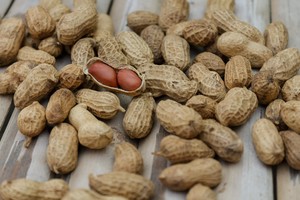
Swap that breakfast out for something with staying power — even a small handful of almonds and a glass of whole milk, or a bowl of oats with some nuts — and you will likely notice that the post-lunch sugar craving becomes far less intense, or disappears entirely within a few days.
Three levers to break the cycle
Shifting the morning meal from a sugar bomb to a blood-sugar-stabilizing meal does not require an elaborate kitchen production. There are three practical levers you can pull, and you only need to get two of them right to see a meaningful difference.
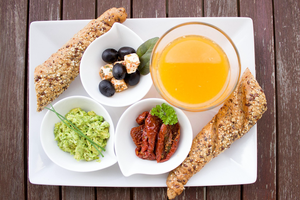
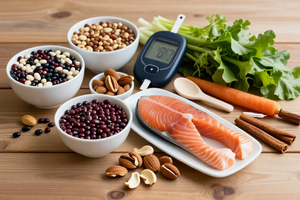
- Add protein at the first meal. Eggs, Greek yogurt, paneer, tofu, a scoop of protein powder in a smoothie, or even leftover dinner meat works. Protein slows gastric emptying and blunts the insulin spike. Aim for at least 15 to 20 grams of protein at breakfast — roughly two eggs or a cup of yogurt with seeds.
- Include fat for satiety. Fat does not raise blood sugar at all. A slice of avocado, a drizzle of olive oil on your eggs, a handful of walnuts, or full-fat dairy are all effective. Fat also helps carry fat-soluble vitamins and keeps you feeling full well past lunch.
- Start the day with water first. Many people interpret morning fatigue or a desire for tea as a need for caffeine and sugar, when the body is actually dehydrated after a night of sleep. A glass of water — warm or room temperature — before anything else can reduce the intensity of that morning sugar pull and make it easier to choose a balanced meal.
These three adjustments do not require you to give up tea entirely. You can still have your morning chai — just have it after a proper breakfast, ideally without sugar, and skip the biscuits. The habit of dunking a cookie into a hot drink is a pleasant ritual; it just needs to stop being the anchor of your morning nutrition.
What about exercise and sleep?
There is no single dietary fix that operates in isolation. Two other daily habits directly influence blood sugar regulation and cravings: movement and sleep. Morning exercise — even a brisk ten-minute walk — increases insulin sensitivity for hours afterward, meaning your cells are better at using glucose efficiently and less likely to trigger a hunger-craving response later. And sleep deprivation has been shown to lower the brain’s sensitivity to the hormone leptin (which signals fullness) while increasing ghrelin (which signals hunger) and ramping up reward-driven eating signals for sugar and starch. If you are sleeping poorly, your post-lunch cravings will be stronger regardless of what you ate for breakfast.
The three pillars go together: a protein-rich breakfast, a short morning walk or stretch, and seven to eight hours of sleep will, for most people, eliminate that mid-afternoon sugar draw within a week. When the body is in a stable blood-sugar state, cravings lose their urgency. That chocolate bar still tastes good, but it becomes a choice — not a biological demand.
The bottom line
Post-lunch sugar cravings are rarely about lunch itself. They are the echo of a morning eating pattern that sent your blood sugar on a roller coaster. Correct the morning — swap the sugary tea-and-biscuit start for something that includes protein, fat, and hydration — and the afternoon sugar pull loses its grip. This is not about deprivation or punishment. It is about giving your metabolism the steady fuel it needs, so the decision to eat dessert comes from enjoyment, not from a crash.