Sugar cravings often feel like a sudden, unstoppable force. But what if the key to quieting them isn't found in a sugar-free snack, but in the fats you eat? Learning to read nutrition labels for healthy fats may be one of the most effective strategies to stabilize blood sugar, reduce cravings, and feel satisfied after meals. By shifting focus from what you're avoiding to what you're adding—specifically, high-quality unsaturated fats—you can change your body's sugar-seeking cycle.
For years, dietary fat was treated as the enemy, especially for those watching their weight or managing blood sugar. The reality is more nuanced. Healthy fats slow digestion, blunt sharp glucose spikes, and send satiety signals to the brain that a sugary snack simply cannot match. When you know what to look for on a label, you can make choices that naturally reduce the urge to reach for sweets.
Why Fat Helps Control Cravings
Fats digest more slowly than carbohydrates. When you eat a meal that includes healthful fat, that fat delays gastric emptying—meaning food stays in your stomach longer. This not only keeps you full but also smooths out the release of glucose into your bloodstream. Stable blood sugar means fewer dramatic dips, which are a common trigger for sudden cravings for sugar or refined carbs.
Fat also stimulates the release of cholecystokinin (CCK), a hormone that signals fullness to the brain. Without enough fat in a meal, you might finish eating but never feel quite satisfied, leaving you searching for something sweet to feel complete. Including fat shifts that experience.
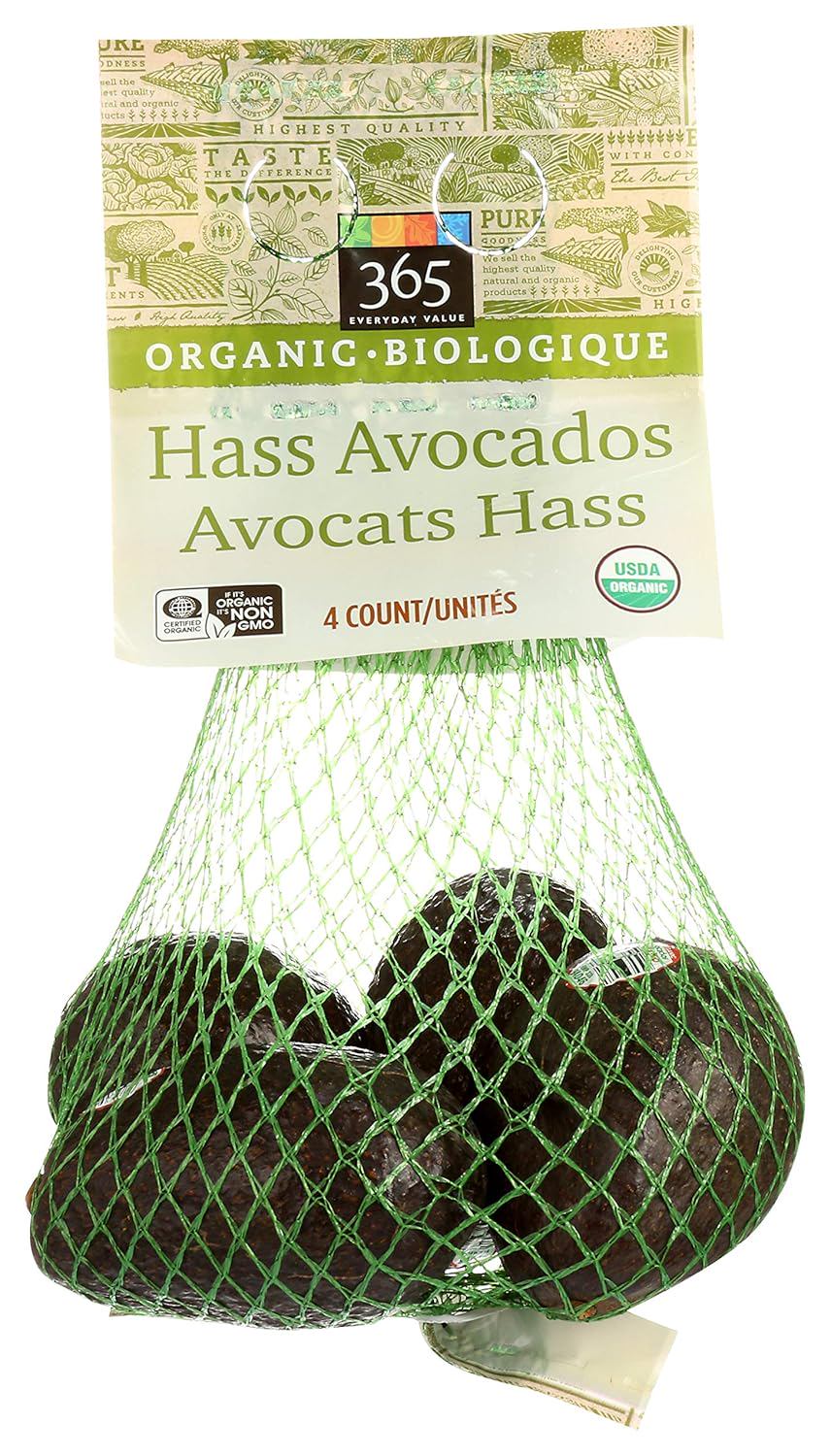
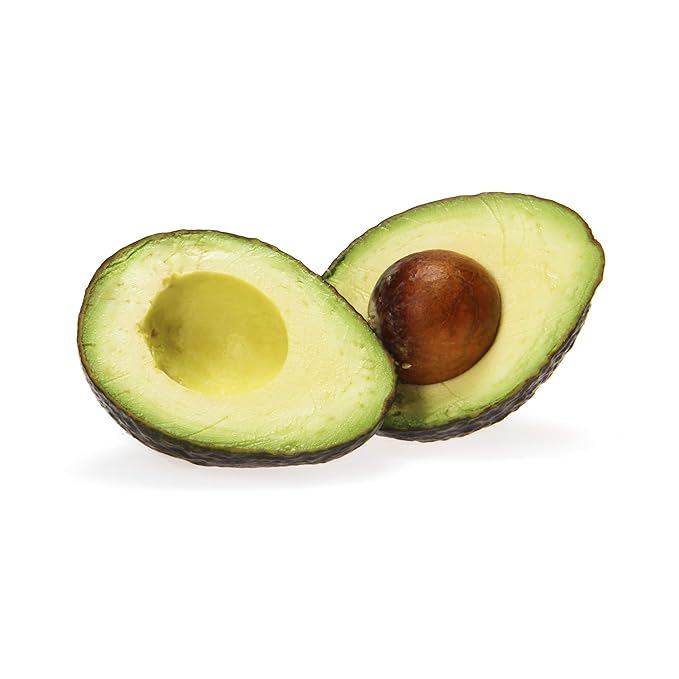
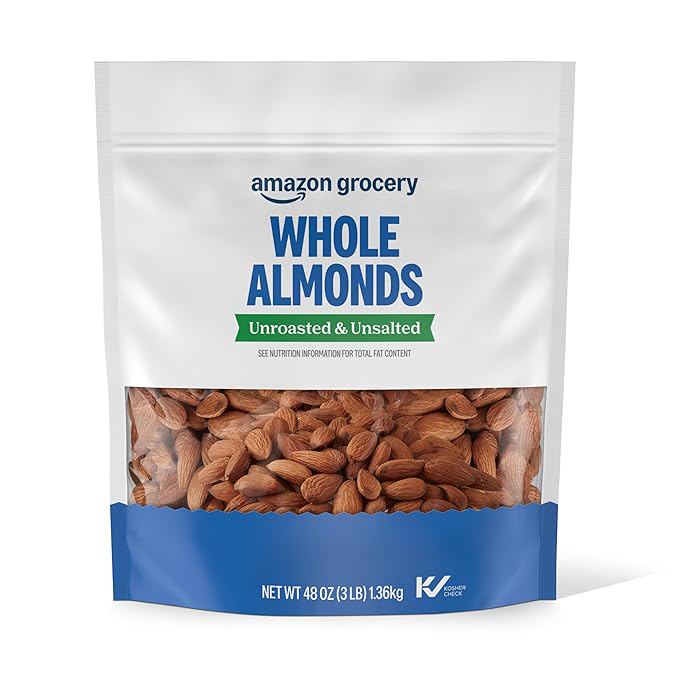
Pairing a protein-rich snack with a source of unsaturated fat—like a handful of almonds, a spoonful of nut butter, or a quarter of an avocado—can prevent the 3 p.m. energy crash that often sends people toward the vending machine.
What to Look for on a Label
Not all fats are created equal, and food labels are where the distinction matters most. When scanning a package, look first at the total fat line, then break it down into its components.
Fats to prioritize
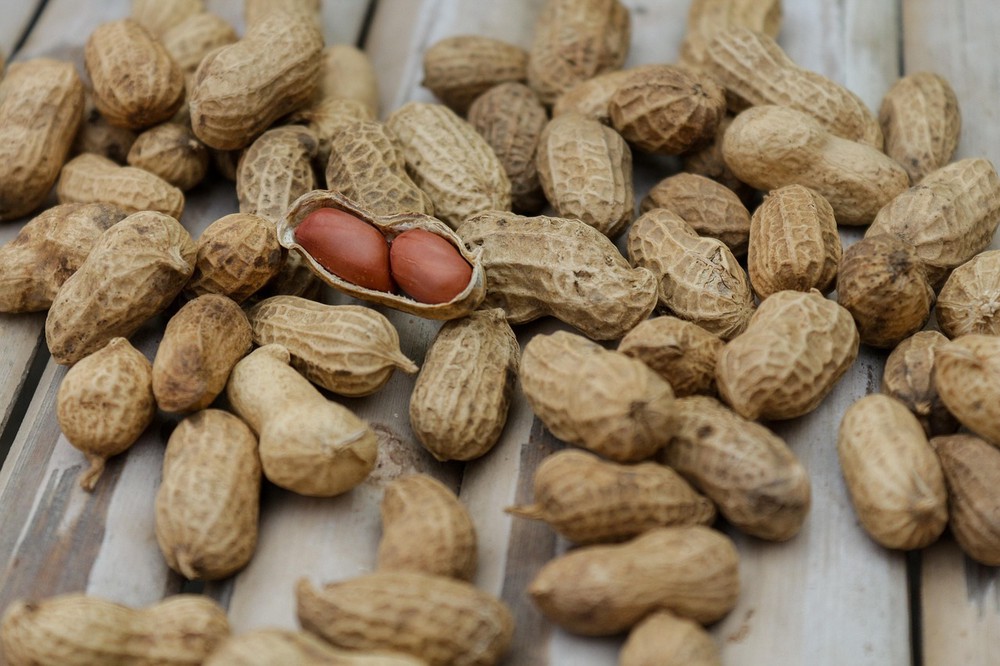
- Monounsaturated fats – Found in olive oil, canola oil, avocados, and most nuts (especially almonds, cashews, and peanuts). These fats support heart health and have been linked to better blood sugar control.
- Polyunsaturated fats – Includes omega-3 and omega-6 fatty acids. Sources include walnuts, flaxseeds, chia seeds, fatty fish, and soybean oil. Omega-3s in particular may help reduce inflammation linked to insulin resistance.
Fats to limit
- Saturated fats – Common in red meat, butter, full-fat dairy, and coconut oil. While not inherently harmful in small amounts, large intakes can interfere with insulin sensitivity over time.
- Trans fats – Found in some margarines, fried foods, and processed snacks. Even small amounts are linked to inflammation and metabolic disruption. Labels should show 0 grams; avoid anything with "partially hydrogenated oil" in the ingredients.
The goal is not to eat as much fat as possible—it's to swap less healthful fats for more healthful ones and to pair that fat with fiber and protein for the strongest craving-busting effect.
Strategic Pairing: Fat + Protein + Fiber
A snack of fruit alone can send blood sugar climbing fast, especially if you're prone to cravings. Add a dose of healthy fat—like peanut butter on an apple or avocado on whole-grain toast—and the response changes. The fat slows the absorption of sugars, reducing both the peak and the subsequent crash that fuels more cravings.
Reading labels helps you find products that deliver that fat without hidden sugars or hydrogenated oils. For packaged foods like crackers, granola bars, or salad dressings, check the fat profile first. A bar with 5 grams of total fat but only 1 gram from unsaturated sources probably won't satisfy as long as one with 8 grams of fat, 5 of them from nuts or seeds.
Examples of Craving-Busting Fat Sources
- Nuts and seeds – Almonds, walnuts, pistachios, pumpkin seeds, sunflower seeds. Check packaging for "dry roasted" or "raw" to avoid added oils and salt.
- Nut and seed butters – Look for a label that lists only the nut and maybe salt. Stir natural peanut or almond butter to redistribute oils.
- Avocado – Fresh or frozen, this fruit is rich in monounsaturated fat and fiber. A quarter of an avocado can make a smoothie or sandwich more satisfying.
- Olives and olive oil – Extra-virgin olive oil is one of the most studied healthy fats. Use it in dressings or drizzled over roasted vegetables.
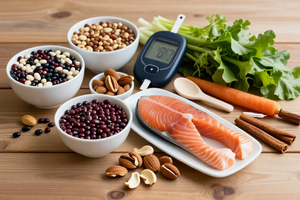
- Fatty fish – Salmon, mackerel, and sardines provide omega-3s along with high-quality protein. The combination is excellent for stabilizing appetite.
Beyond the Label: Mindset Shift
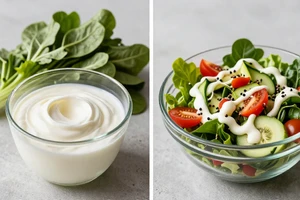
Many people still think of healthy fats as something to add sparingly, if at all. This article moves the conversation from "avoid fat" to "choose better fat." Reading labels is the practical skill that makes that shift possible. When you start seeing total fat, saturated fat, and unsaturated fat listed on packages, you can make intentional swaps: choosing an avocado-based dressing over a creamy ranch made with hydrogenated oil, or a handful of almonds over a low-fat cookie.
It's not about perfection. The occasional cookie, slice of cake, or piece of bread is not a problem. The problem is when cravings drive you to eat sweets frequently throughout the day, destabilizing your energy and mood. By reading labels for healthy fats, you give yourself a tool that works within your existing habits—no elimination diets required.
Small changes, repeated consistently, can rewire your response to food. Start with one substitution this week: swap a low-fat snack for one containing a visible source of unsaturated fat. Check the label to confirm the fat source is a whole food, not a processed oil. Over time, you may notice the edge of that sugar craving gets a little duller, and your cravings lose some of their urgency.