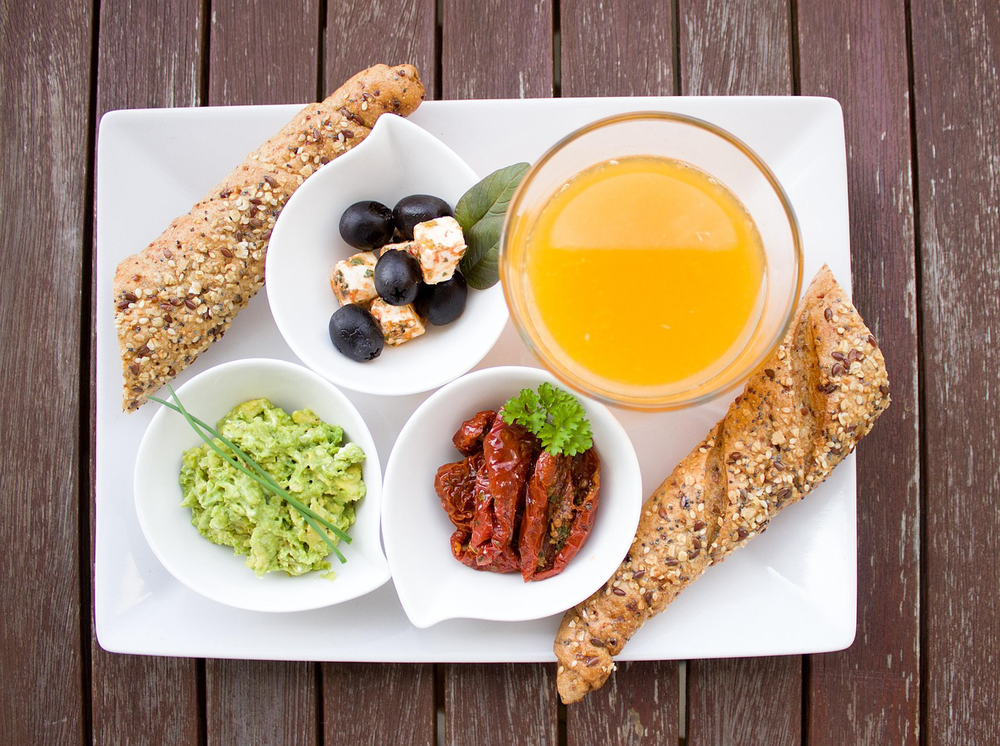
For anyone who has ever tried to cut back on sugar, the mid-morning slump is familiar. You eat a seemingly reasonable breakfast — maybe toast with jam, a bowl of sugary cereal, or a granola bar — and by 10:30 a.m., your energy dips and you are already thinking about a cookie or a second cup of coffee with something sweet on the side. This isn’t a character flaw; it’s biology. What you eat at breakfast directly influences your blood sugar for the rest of the morning, and choosing the right foods can stabilize your energy and stop sugar cravings before lunch even arrives.
Instead of chasing willpower, you can work with your body by building a breakfast around these four types of food. Each one helps regulate appetite, stabilize blood glucose, or provide steady, slow-burning energy. None of them are exotic or difficult to find. Here is what to put on your plate.
Protein from Eggs, Greek Yogurt, or Smoked Fish
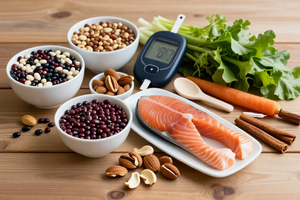
Protein is the single most effective nutrient for blunting sugar cravings later in the day. When you eat protein at breakfast, it slows the digestion of carbohydrates and keeps your blood sugar from spiking — and crashing. A crash is exactly what triggers the urge to reach for something sweet. Eggs are a classic, reliable source, but Greek yogurt (choose plain, unsweetened) or even a small portion of smoked salmon on whole-grain toast works just as well. Even a few tablespoons of cottage cheese can make a difference.
Aim for at least 15 to 20 grams of protein at breakfast to see a real reduction in cravings by late morning. That is roughly two eggs, one cup of Greek yogurt, or a 3-ounce serving of fish.
The key is pairing protein with something else — a carbohydrate or a fat — so the meal feels satisfying and complete. Protein on its own can be a little dull, but wrapping it around the other foods in this list makes breakfast both delicious and satiating.
Healthy Fats from Avocado, Nuts, or Seeds
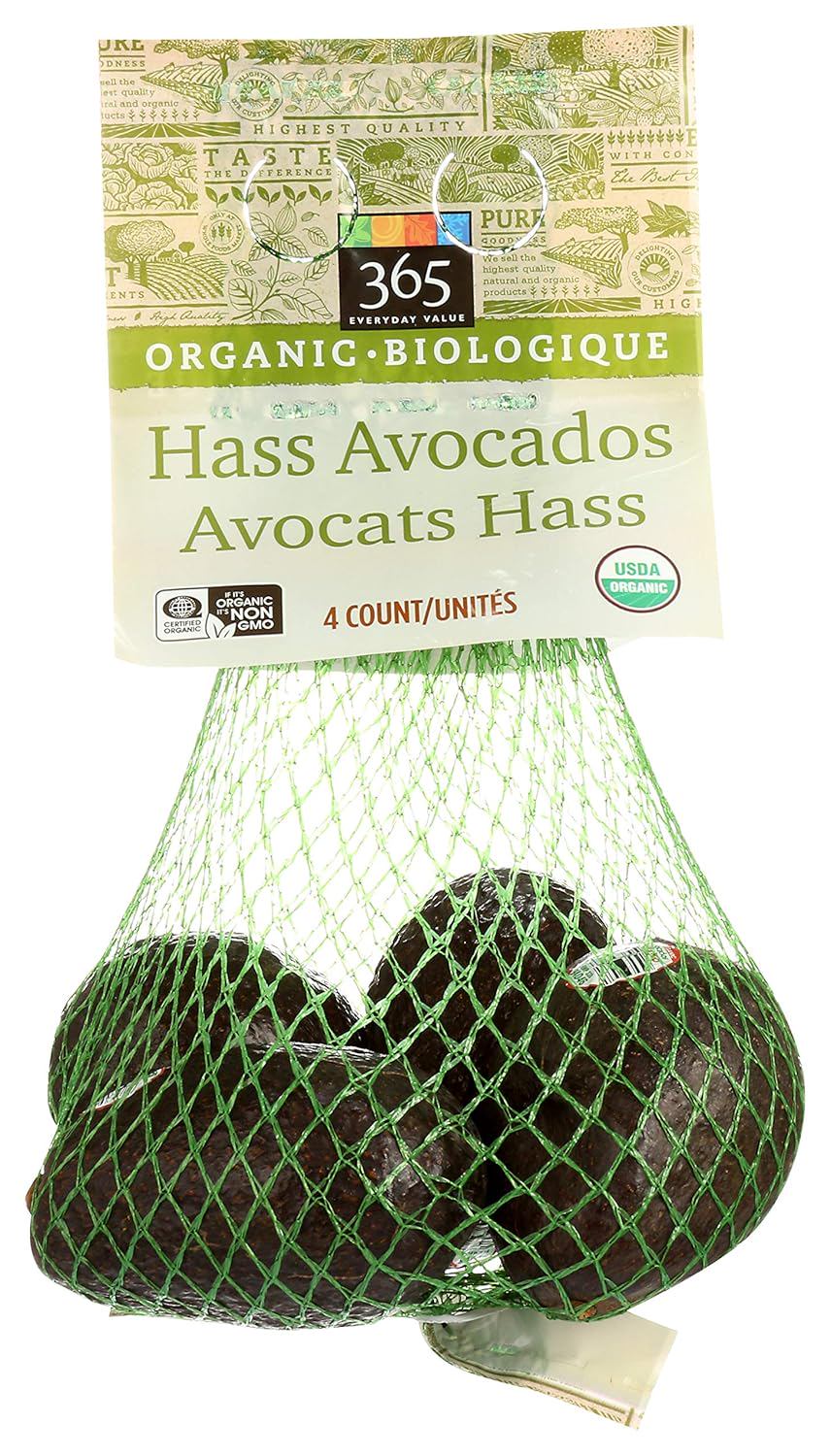
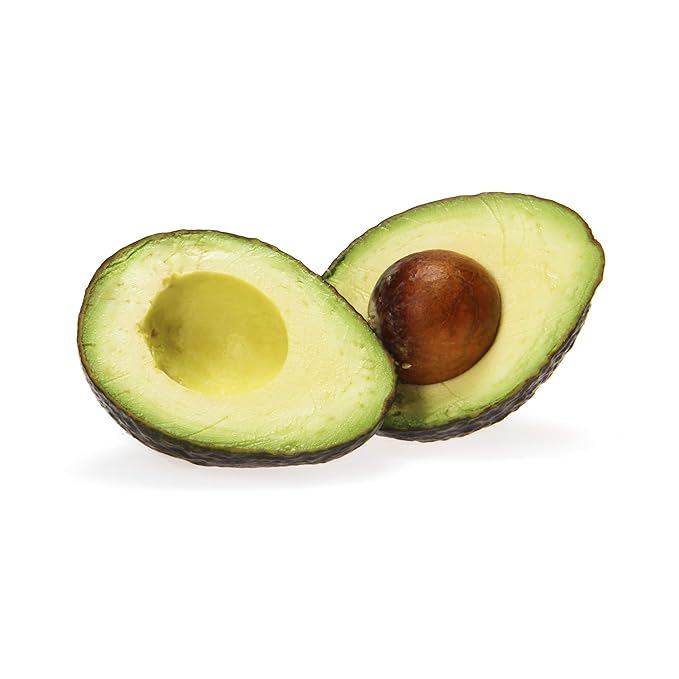
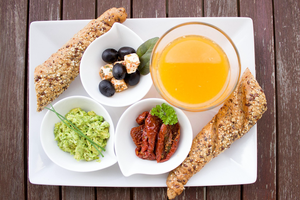
Fat gets a bad reputation, but the right kinds of fat are essential for keeping blood sugar even. Fats slow down the absorption of sugar into the bloodstream, which prevents the rapid rise and fall that triggers cravings. Avocado is an easy addition: half an avocado on toast, sliced on top of eggs, or blended into a smoothie adds creaminess and staying power. A handful of almonds or walnuts, or a spoonful of chia seeds or flaxseeds, also works.
If you tolerate dairy, full-fat yogurt (as opposed to fat-free) is actually better for cravings. The fat helps you feel fuller longer, and it changes the texture of the yogurt so you are less likely to miss the sweetness. The same principle applies to nuts — raw or dry-roasted, without added sugar or honey, are the best choice.
High-Fiber Fruits: Berries, Apples, or Pears
It may seem counterintuitive to eat fruit when you are trying to cut sugar, but whole fruits are not the problem. The fiber in berries, apples, and pears slows down the natural sugar they contain, so your body processes it gradually. That is the opposite of what happens with fruit juice, dried fruit, or smoothies made without the pulp — all of which spike blood sugar quickly.
Blueberries, raspberries, and blackberries are especially high in fiber relative to their sugar content. They also contain polyphenols, plant compounds that can help regulate blood glucose and reduce the inflammatory response that sometimes drives sugar cravings. A half-cup of berries on top of Greek yogurt or stirred into oatmeal provides sweetness without a crash.
Slow-Burning Whole Grains Like Oats or Quinoa
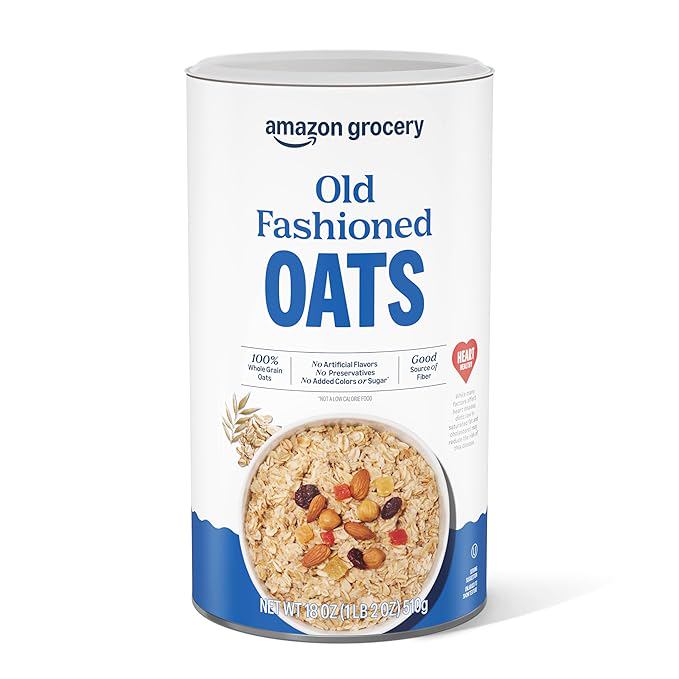
The type of carbohydrate you eat matters more than the amount. Refined grains — white bread, sugary cereals, instant oatmeal packets — break down almost instantly into sugar. Whole grains, by contrast, release glucose slowly because the fiber and the intact grain structure take longer to digest. Rolled oats (not instant) are a perfect example. They are cheap, versatile, and cook quickly enough for a weekday morning.
Steel-cut oats take longer to cook but have an even lower glycemic impact. Quinoa, buckwheat, or millet are less common at breakfast but work beautifully as warm cereal bowls, especially with a pat of butter, a sprinkle of cinnamon, and a few berries on top. Avoid pre-sweetened packages; buy plain grains and add flavor with spices, fruit, or a tiny drizzle of maple syrup if needed.
Putting It All Together: A Sample Breakfast
Combining these four food types does not have to be complicated. A simple breakfast that hits all the markers might look like this:
- Two eggs scrambled in olive oil (protein + fat)
- Half an avocado sliced alongside (fat)
- Half a cup of rolled oats cooked with water, topped with a handful of blueberries (fiber + whole grain)
That is roughly 400 calories, around 20 grams of protein, and plenty of fiber and fat. Most people who eat this report feeling satisfied for four to five hours, with no urgent need for a mid-morning snack. If you need something portable, a smoothie made with plain Greek yogurt, a small handful of spinach, frozen berries, and a tablespoon of almond butter works almost as well.
What to Avoid
Just as important as what you add is what you leave out. Breakfasts high in sugar and refined carbs — pastries, sweetened yogurts, white toast with jam, cereal with honey — are practically designed to produce cravings by lunch. The sugar hits quickly, insulin surges to clear it, and then blood sugar plummets. That drop is what signals your brain to crave another quick source of energy, usually sugar again.
If you absolutely want toast, choose 100% whole-grain or sprouted bread and top it with something substantial like avocado, nut butter, or eggs. Even then, keep the portion small. The goal is not to eliminate carbohydrates — your brain and muscles need them — but to slow them down.
Building a breakfast around protein, fat, fiber, and whole grains is not a fad. It is a sustainable way to take control of your appetite and reduce the mental energy you spend fighting cravings every morning.