
You reach for a mid-afternoon snack. Maybe a granola bar, a flavored yogurt, or a second cup of sweetened coffee. Later, you find yourself craving something sweet again after dinner. If this sounds familiar, you might wonder if your cravings are normal or if something deeper is going on.
Often, the culprit isn’t a lack of willpower. It’s the hidden added sugars lurking in everyday foods. These sugars can create a cycle of craving and consumption that’s hard to break. Here are three warning signs that your sugar cravings might be driven by stealth sugars in your diet.
1. You Crave Sweets Soon After Eating a Meal
If you finish a savory lunch only to immediately want something sweet, that’s a clear signal. This often happens after meals that are high in refined carbohydrates or hidden sugars, which cause a rapid spike and then a crash in blood sugar. When your blood sugar dips, your body signals for a quick energy source—usually sugar.
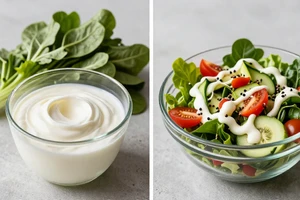
Think about your last meal. Did it include a sweetened salad dressing, a side of ketchup, or a marinade with added sugar? Even meals that seem balanced can contain enough hidden sugar to trigger this rebound effect.
Take note: A craving for sweets right after a meal is often a physiological response to a blood sugar roller coaster, not a genuine need for more food.
2. Your Energy Levels Crash in the Afternoon
The classic 3 p.m. slump is another telltale sign. Many people reach for a sugary coffee drink, a candy bar, or a pastry to get through the afternoon. But that energy lift is temporary. The real issue may be the cumulative effect of hidden added sugars consumed throughout the day.
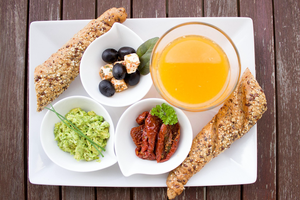
Breakfast is a common culprit. Sweetened cereals, flavored oatmeals, yogurt with fruit on the bottom, and even whole-grain breads can contain several teaspoons of added sugar. That morning sugar load can set you up for a cycle of energy dips and cravings that peak in the afternoon.
- Check your breakfast: Look for added sugars in granola, flavored coffees, and even healthy-seeming smoothies.
- Read labels: Ingredients like cane sugar, brown rice syrup, agave nectar, and fruit juice concentrate are all forms of added sugar.
3. You Don’t Feel Satisfied After Eating
Hidden sugars can trick your brain. They provide a quick hit of dopamine, the feel-good neurotransmitter, but they lack the protein, fiber, and healthy fats that signal fullness. If you frequently feel hungry or unsatisfied shortly after a meal, it’s worth examining how much added sugar is in that meal.
A salad with a sweet dressing, a wrap with a sugary sauce, or a bowl of soup made with added sugar may fill your stomach temporarily, but your body digests it quickly. Without the staying power of satiating nutrients, you’re left craving another energy boost, often in the form of sugar.
Where Are These Hidden Sugars Hiding?
Hidden added sugars are everywhere, not just in obvious sweets. Common sources include:
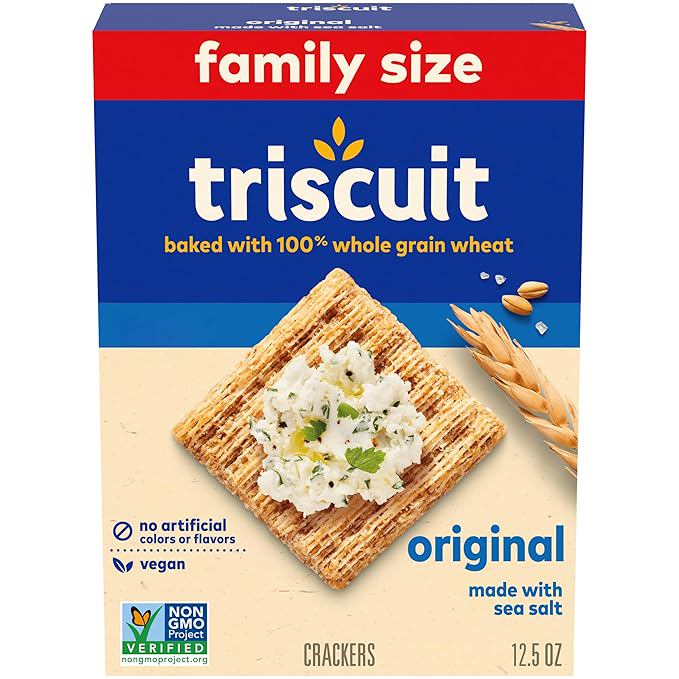
- Bread, wraps, and crackers
- Pasta sauces and ketchup
- Salad dressings and marinades
- Flavored yogurts and milk alternatives
- Granola, protein bars, and breakfast cereals
- Energy drinks, sports drinks, and flavored waters
- Condiments like barbecue sauce, teriyaki sauce, and relish
Reading ingredient lists is your best defense. Look for words ending in “-ose” (sucrose, glucose, fructose, maltose) as well as syrups, honey, and concentrated fruit juices. The earlier these appear, the more sugar the product contains.
How to Break the Cycle
Reducing your intake of hidden added sugars can help stabilize your blood sugar, reduce cravings, and improve your overall energy. Focus on whole, minimally processed foods as much as possible:
- Choose plain yogurt and add fresh fruit for sweetness.
- Make your own salad dressing with olive oil, vinegar, and herbs.
- Opt for water or unsweetened beverages instead of soda, sweetened teas, or fancy coffee drinks.
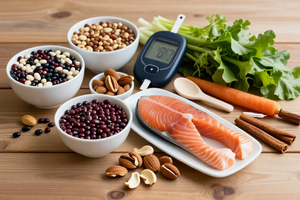
- Eat more protein and fiber at meals to keep you full longer (think eggs, beans, nuts, and vegetables).
It doesn’t have to be all or nothing. Small changes add up. Over time, your taste buds adjust, and foods that once seemed tasty may start to taste overly sweet. That’s a good sign your body is recalibrating.
Tip: Cravings often fade within one to two weeks of reducing added sugar intake. Be patient with yourself during the transition.
When to Seek Professional Guidance
If you suspect your cravings are linked to underlying health issues like insulin resistance, prediabetes, or emotional eating patterns, it’s wise to talk with a healthcare provider or a registered dietitian. They can offer personalized advice that’s safe and effective for your situation.