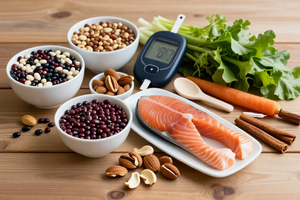

Many people trying to eat healthier reach for fish oil capsules or salmon and call it a day. While those are excellent sources of omega-3 fatty acids, focusing solely on them often means missing out on a crucial type of this essential fat. The most common dietary mistake? Overlooking the plant-based omega-3 found in walnuts, flaxseed, and chia seeds.
Here is what happens when you skip these foods and why it matters more than you might think.
What is the omega-3 you might be missing?
The omega-3 family has three main members. Eicosapentaenoic acid (EPA) and docosahexaenoic acid (DHA) are the long-chain fats abundant in fish and seafood. The third type is alpha-linolenic acid, or ALA, which is found almost exclusively in plant foods. Walnuts, flaxseeds (and their oil), chia seeds, and hemp seeds are the top sources of ALA.
Your body can convert a small amount of ALA into EPA and DHA, but the process is not very efficient — only about 5 to 10 percent gets converted. That is why it is a mistake to assume that eating plenty of fish covers all your omega-3 bases. If you rely only on marine sources, you might be getting plenty of EPA and DHA but falling short on total omega-3 intake, because ALA plays its own distinct role.
Emerging research suggests ALA has independent benefits for heart health, particularly for maintaining healthy cholesterol levels and reducing inflammation. A study published in Advances in Nutrition found that higher dietary ALA intake was associated with a lower risk of cardiovascular disease events.
The walnut and flaxseed gap
Many well-intentioned eaters avoid walnuts and flaxseed out of confusion. Some worry about calories and fat content — walnuts are energy-dense, and flaxseed can be awkward to prepare. Others simply do not know how to work them into meals. But cutting these foods creates a gap in your nutrient profile that is hard to fill any other way.
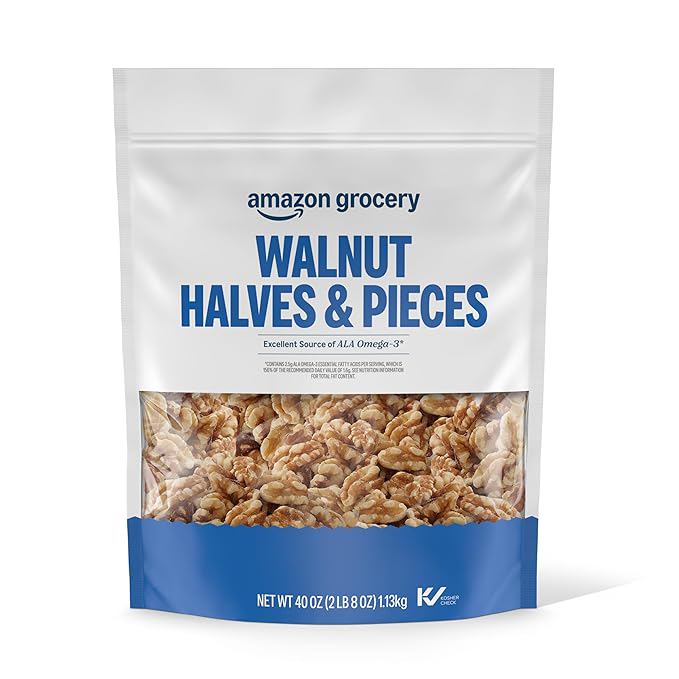
A single ounce of walnuts (about 14 halves) provides over 2.5 grams of ALA, which meets the daily adequate intake for men and most of it for women. Two tablespoons of ground flaxseed deliver roughly 3.5 grams of ALA. Compare that to a serving of salmon, which contains negligible ALA. Fish covers EPA and DHA, but it does not touch your ALA needs.
Skipping these plant sources means you miss out on the specific benefits tied to ALA, including its role in supporting skin health, reducing oxidative stress, and providing a steady supply of omega-3s for people who do not eat fish at all.
How the body uses ALA differently
If you assume all omega-3s work the same way inside your body, you are not alone. But ALA and the marine omega-3s do not fully overlap. EPA and DHA are rapidly incorporated into cell membranes and play direct roles in brain function and eye health. ALA, on the other hand, appears to have a more pronounced effect on inflammatory pathways and vascular function.
Some cohort studies have shown that people with the highest ALA intake tend to have lower blood pressure and healthier lipid profiles, even after adjusting for their intake of fish. This suggests ALA is not just a backup for EPA and DHA — it is a valuable nutrient in its own right.
A practical tip: Ground flaxseed spoils quickly. Store the whole seeds in the freezer and grind only what you need for a few days to preserve the delicate omega-3 fats.
Common reasons people skip these foods
Understanding why you might be avoiding walnuts and flaxseed can help you fix the problem:
- Texture and taste concerns: Some people find flaxseed slimy in smoothies or walnuts slightly bitter. Toasting walnuts lightly mellows their flavor; grinding flaxseed fine and adding it to oatmeal masks the texture.
- Calorie anxiety: Nuts and seeds are indeed energy-dense, but multiple studies have shown that regular nut consumption is not linked to weight gain — likely because they increase satiety and have imperfect calorie absorption. Portion control (a small handful of walnuts or one to two tablespoons of flaxseed) is all you need.
- Convenience: It is easier to swallow a fish oil capsule than to grind seeds. Pre-ground flaxseed meal (stored in the fridge) or walnut pieces kept in a jar on the counter remove the friction.
Who should pay special attention
If you follow a vegetarian, vegan, or plant-forward diet, getting enough ALA is non-negotiable. Because your conversion of ALA to EPA and DHA is limited, eating generous amounts of ALA-rich foods becomes the primary way to maintain omega-3 status.
Even if you eat fish a few times a week, you still benefit from including walnuts or flaxseed. The different omega-3 forms work together, and ALA provides heart-health effects that marine omega-3s may not replicate entirely.
Simple ways to add them back into your day
Correcting the mistake does not require a complete diet overhaul. Try these easy additions:
- Add a tablespoon of ground flaxseed to your morning smoothie or yogurt.
- Top a salad or bowl of oatmeal with a handful of chopped walnuts.
- Use flaxseed meal as an egg replacement in baking (one tablespoon flaxseed + three tablespoons water = one egg).
- Blend walnuts into pesto instead of relying solely on pine nuts.
The takeaway is straightforward: skipping walnuts and flaxseed creates a blind spot in your omega-3 intake that fish alone cannot fill. Make room for them, and your body will get the full spectrum of these essential fats.