You just finished a hard set of squats or deadlifts—your muscles are fatigued, your breathing is heavy, and you’re already thinking about the next task on your list. Grabbing a quick shower and heading out the door without eating might feel efficient, but it could be quietly erasing your strength progress.
Strength training doesn’t end when you rack the barbell. In many ways, that’s when the real work begins. The meal you eat—or skip—in the hour or two after training directly influences how well your body repairs muscle tissue, replenishes energy stores, and adapts to become stronger over time. Here’s what’s actually happening when you skip that post-workout window, and what to reach for instead.
What skimping on a post-workout meal costs you
When you lift, you create microscopic tears in your muscle fibers. That’s a good thing—it’s the stimulus for growth. But your body needs raw materials to repair those tears: primarily protein for rebuilding tissue and carbohydrates for refilling glycogen, the fuel your muscles used during training. Without those materials, the repair process stalls.
Regularly skipping a post-workout meal can lead to several unwanted outcomes:
- Slower recovery. You may feel sore longer and notice that your performance in the next session drops—you can’t lift as heavy or complete as many reps.
- Reduced muscle protein synthesis. The anabolic window, while not as narrow as once thought, still matters. Eating protein after training amplifies the signal your body gets to build muscle.
- Increased muscle breakdown. In the absence of incoming nutrients, your body may start breaking down muscle protein for energy, which is exactly the opposite of what you want for strength gains.
- Fatigue and mood dips. Blood sugar can drop, leaving you irritable, foggy-headed, and unmotivated for your next workout or daily activities.
The short version: Skipping a post-workout meal doesn’t save time—it borrows from your future strength.
What to eat after a strength workout
Smart post-workout nutrition doesn’t have to be elaborate or expensive. Focus on two main components: protein and carbohydrates.
Protein first
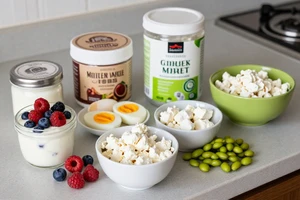
Aim for roughly 20 to 40 grams of high-quality protein. This provides the amino acids needed for muscle repair. Good sources include:
- Chicken, turkey, or lean beef
- Eggs or egg whites
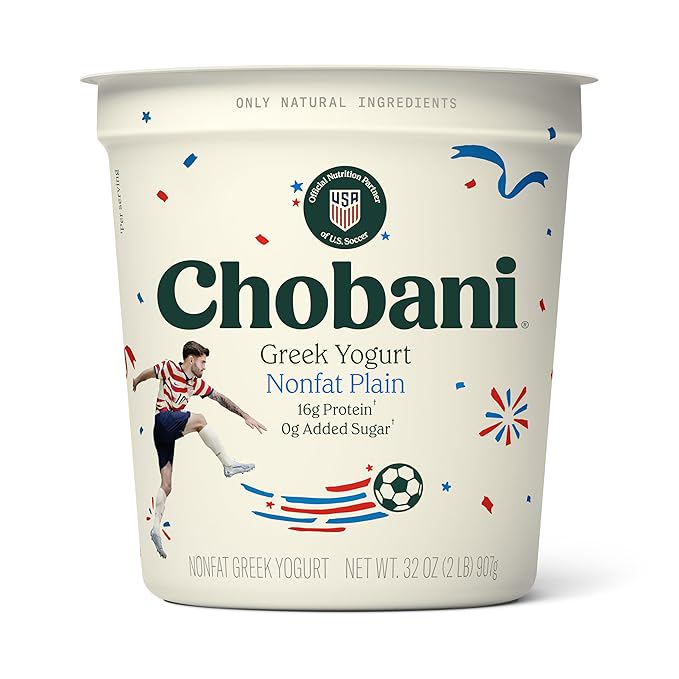
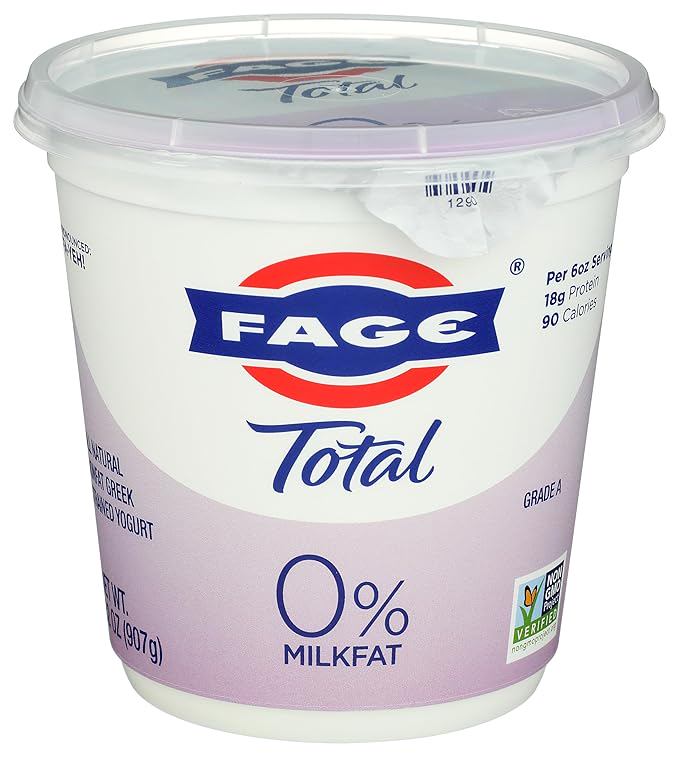
- Greek yogurt or cottage cheese
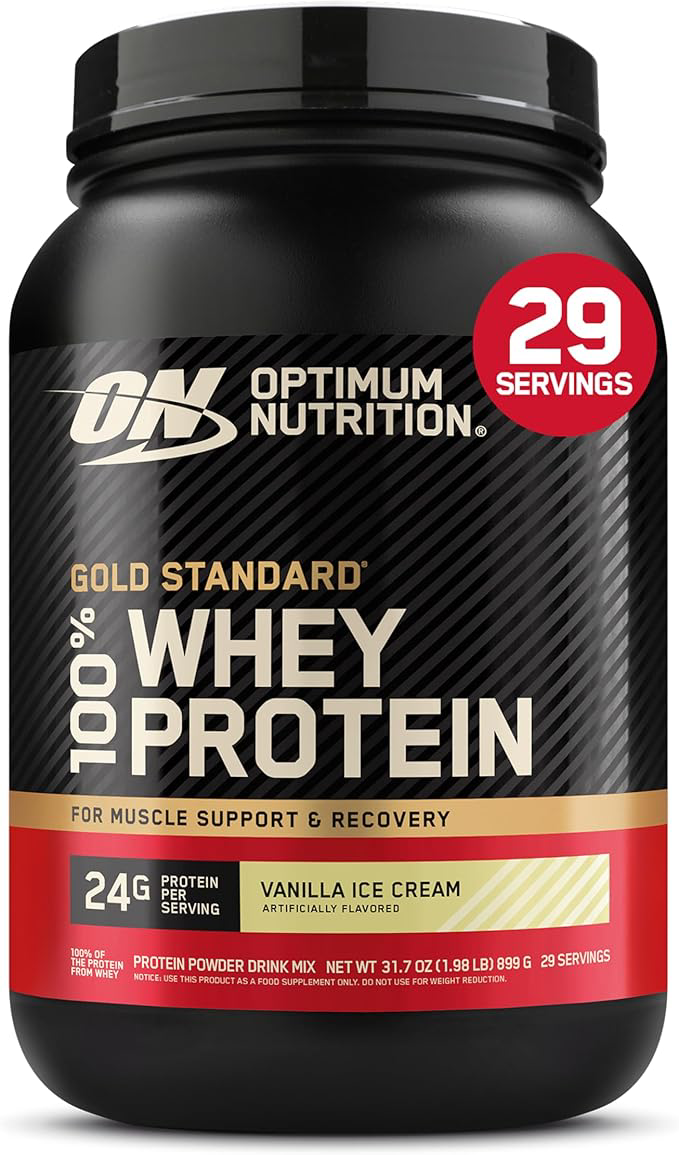
- A whey or plant-based protein shake
- Fish like salmon or tuna
Carbohydrates to refuel
Pair that protein with carbohydrates to restore glycogen. The amount depends on your session’s intensity and volume, but 30 to 60 grams is a reasonable target for most people. Options include:
- White or sweet potatoes
- Rice or quinoa
- Oats or whole-grain bread
- Fruit like bananas, berries, or mango
- Milk or chocolate milk (a classic recovery drink)
Real-world meal combos
You don’t need a special “post-workout” product. Try these simple pairings:
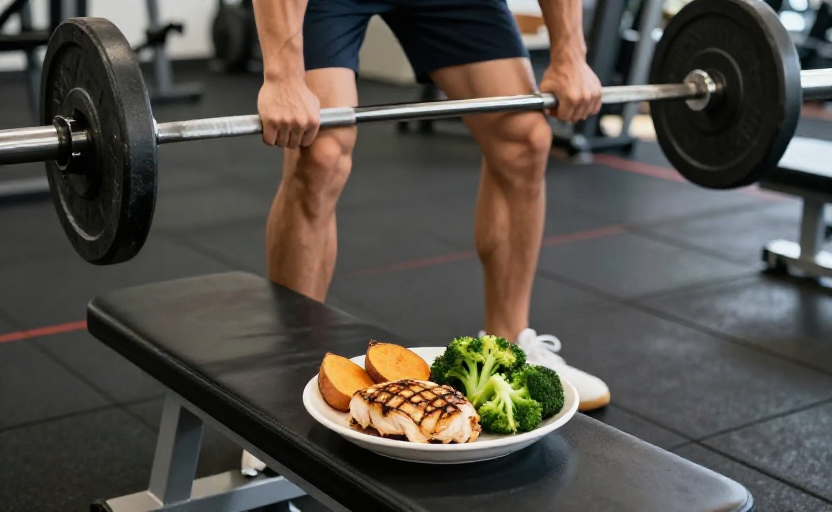
- Grilled chicken with roasted sweet potato and steamed broccoli
- A smoothie made with whey protein, a banana, a handful of spinach, and milk
- Greek yogurt with berries and a drizzle of honey
- Two scrambled eggs on whole-grain toast with a side of fruit
- A can of tuna mixed with avocado on rice crackers
Does timing really matter?
Yes—but not in the panicked “30-minute window” way you may have heard. Research shows that muscle protein synthesis remains elevated for at least 24 hours after a strength workout, and the window of opportunity is broader than once believed. Eating a balanced meal within two hours post-exercise is generally sufficient. The bigger risk is waiting four to six hours or longer, especially if you train fasted or haven’t eaten beforehand.
If you prefer to train early in the morning and can’t stomach a full meal immediately, a small protein shake or chocolate milk within an hour is still better than nothing. Your next regular meal can pick up the slack.
What about fat and fiber?
Both are important parts of a healthy diet, but right after a workout, they can slow digestion. That doesn’t mean you need to avoid them entirely—just don’t let them push your protein and carbs off the plate. A handful of nuts or a tablespoon of peanut butter is fine; a huge salad with heavy dressing might leave you feeling full before you’ve had enough protein or carbohydrates to support recovery.
Hydration is part of the meal
Water losses from sweating can be significant during strength training. Rehydrating helps nutrient transport and muscle function. If you’ve been sweating heavily, consider adding electrolytes—especially sodium and potassium—through food or a drink. A piece of fruit and a pinch of salt in your water works well.
Practical takeaway: Treat your post-workout meal as part of the training session itself. It doesn’t need to be gourmet or expensive, but it does need to be intentional. A little planning—prepping a container of chicken and rice or keeping a shaker of protein powder at your desk—can make the difference between stalling and steady progress.