Walk through any grocery store, and you will be bombarded with labels promising “low-fat” or “fat-free” products, as if fat were a dietary villain. This lingering fear is a cultural hangover from diet trends that wrongly blamed all fats for weight gain. The truth is far more nuanced. Certain fats are not only beneficial but essential for your body to function properly. Understanding this starts with one crucial concept: calorie density. By learning how healthy fats fit into this picture, you can build a diet that supports your energy, your brain, and your weight goals without the guilt.
What is calorie density?
Calorie density refers to the number of calories packed into a given weight or volume of food. A single gram of fat contains nine calories, while a gram of protein or carbohydrate contains four. This is why a small handful of almonds (about 160 calories) has a much higher calorie density than a large bowl of spinach (about 30 calories). The goal isn't to avoid calorie-dense foods entirely—it is to use them strategically.
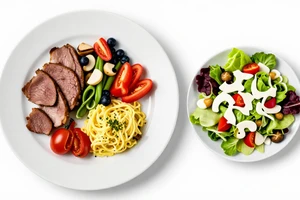
Foods with high calorie density are efficient energy sources. They are concentrated fuel. For a long-distance runner before a race or a growing adolescent, that concentration is a feature, not a bug. For someone trying to manage their weight while sitting at a desk all day, it requires more attention. The trick is not to eliminate calorie-dense fats but to balance them with high-volume, low-density foods like vegetables, fruits, and lean proteins.
How fat fits into the density puzzle
Because fat is so energy-rich, even small portions can add up quickly. A single tablespoon of olive oil adds about 120 calories. Drizzling four tablespoons onto a salad dressing turns a light meal into a heavy one without making you feel much fuller. This is why many people on low-fat diets feel hungry—they often replace fat with refined carbohydrates or sugar, which digest quickly and leave you crashing. The solution is to embrace the density: use small amounts of high-quality fats to add flavor, satisfaction, and nutrient absorption to meals that are largely built on vegetables and whole grains.
The essential roles fats play in your body
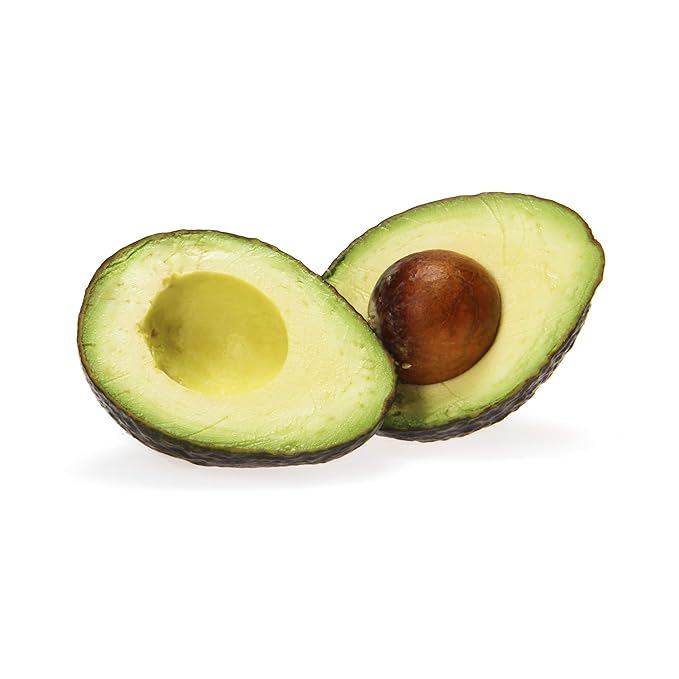
Healthy fats are not just a fuel source. They are structural components of every cell membrane in your body. Your brain is approximately 60 percent fat, and it relies on dietary fats to build and maintain its cells. Fats also help your body absorb fat-soluble vitamins—A, D, E, and K—which are critical for immunity, bone health, and vision. Without adequate fat in a meal, you could eat a bowl of carrots drizzled with nothing and absorb very little of the vitamin A they contain. A small amount of oil or a few slices of avocado changes that completely.
Think of healthy fats as vitamins for your cells: you only need them in small doses, but you absolutely need them to use the other nutrients you eat.
Which fats are the “healthy” ones?
Not all fats are created equal. The key is to focus on unsaturated fats, which are liquid at room temperature.
- Monounsaturated fats are abundant in olive oil, avocados, and almonds. They are linked to lower levels of harmful LDL cholesterol and a reduced risk of heart disease.
- Polyunsaturated fats include the famous omega-3 and omega-6 fatty acids. Omega-3s, found in fatty fish like salmon, mackerel, and sardines, as well as in flaxseeds and walnuts, are particularly important for reducing inflammation and supporting brain health.
- Saturated fats are found in coconut oil, butter, and red meat. Most health guidelines recommend limiting these to no more than about 10 percent of your daily calories, as high intake has been linked to increased LDL cholesterol in some people.
A simple way to think about it: prioritize fats that come from whole plants and fish. A drizzle of extra-virgin olive oil is a healthy choice. A handful of walnuts is a good snack. A piece of chicken fried in partially hydrogenated vegetable oil is not.
Practical ways to include healthy fats without overdoing calories
The challenge is not adding fat—it is managing the portion. Here are a few strategies used by people who maintain a healthy weight without cutting out good fats.
- Use nuts as a garnish, not a main event. Sprinkle a tablespoon of slivered almonds or chopped walnuts over oatmeal or a salad. You get the crunch and nutrients without taking in 300 calories from a full handful.
- Treat oil as a seasoning. Instead of pouring oil into a pan, use a spray bottle or a measuring spoon. One tablespoon is often enough to coat vegetables for roasting or to emulsify a vinaigrette.
- Include fatty fish weekly. Two servings of salmon or trout per week provide ample omega-3s. Pair them with a generous portion of steamed vegetables and a small serving of whole grains for a balanced plate.
- Elevate vegetables with fat. Roasting broccoli or Brussels sprouts with a little avocado oil and salt makes them far more satisfying than steaming them. The fat helps you absorb the naturally occurring vitamins in the vegetables.
Does eating fat make you fat?
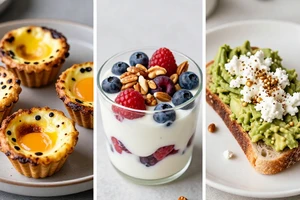
Not necessarily. Weight gain happens when you consistently consume more calories than your body burns, regardless of whether those calories come from fat, carbs, or protein. In fact, diets that include moderate amounts of healthy fats are often easier to stick with than very low-fat diets because the fat adds flavor and promotes satiety. The key is to replace unhealthy sources of fat (like those in fried foods, baked goods, and processed snacks) with nutrient-dense ones. When you switch from a muffin made with refined flour and hydrogenated oil to an avocado on whole-grain toast, you improve your micronutrient intake and your long-term health markers without necessarily eating more calories.
What about calorie density and weight loss?
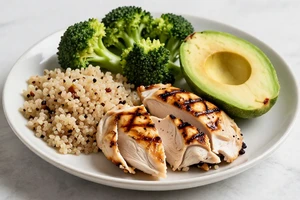
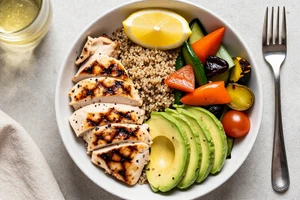
If weight loss is your goal, calorie density becomes a powerful tool. Foods with low calorie density (vegetables, fruits, broth-based soups) can be eaten in large volumes for relatively few calories. They fill your stomach and send satiety signals to your brain. By combining those low-density foods with small amounts of high-density healthy fats, you create a meal that is both voluminous and satisfying. A lunch of grilled chicken over a bed of mixed greens with a sprinkle of sunflower seeds and a light vinaigrette is a perfect example: the greens provide volume, the chicken provides protein, and the oil and seeds provide the fat that makes the meal taste complete and keeps you full until dinner.
Calorie density is not about restriction; it is about awareness. Once you see how a little fat goes a long way, you can use it to your advantage.
Common pitfalls to avoid
Many people fall into the trap of “fat-free” processed foods, which often replace fat with added sugar, salt, or refined starches to make up for the lost flavor and texture. These products are still calorie-dense, but they lack the nutritional benefits of whole foods. Another pitfall is assuming that all natural fats are unlimited. Nut butters, for example, are healthy, but two tablespoons can easily top 180 calories. If you eat them straight from the jar, you might consume a substantial portion of your daily energy needs in a single sitting without realizing it.
The bottom line
Healthy fats are not the enemy. They are essential for brain function, cell integrity, and nutrient absorption. The reason they matter so much in a weight management context is purely related to calorie density. When you understand that fat is the most energy-dense nutrient, you stop fearing it and start using it precisely. A diet rich in vegetables, whole grains, lean proteins, and a moderate amount of unsaturated fat provides everything your body needs. So go ahead—add the avocado. Drizzle the olive oil. Just do it with intention. Your brain and your waistline will thank you.