
You order your go-to takeout, eat every bite, and feel full. Yet an hour later, you're scrounging the pantry for something else. This isn't a lack of willpower. It's a direct signal that something in that meal is talking to your hunger hormones—specifically ghrelin and leptin—and it's saying the wrong things.
Takeout is crafted to be irresistible, and the food scientists behind the recipes know exactly how to trigger your brain's reward centers. But for anyone managing weight or energy levels, the after-effects matter more than the first bite. Here are three concrete signs that your favorite delivery meal is sending your appetite signals into overdrive.
1. You Feel Hungry Again Within 90 Minutes of Eating
This is the most telltale sign. A balanced meal with adequate protein, fiber, and healthy fat should keep you satisfied for three to four hours. If you're ravenous after just an hour or two, you're likely dealing with a massive blood sugar spike followed by a crash.
Many takeout dishes—especially stir-fries, noodle bowls, and saucy meat dishes—rely on hidden sugars and refined carbohydrates. A single portion of orange chicken or sweet-and-sour pork can pack as much sugar as a candy bar. When your blood sugar plummets after the spike, your body releases cortisol and adrenaline, which your brain interprets as a starvation signal. Ghrelin, your primary hunger hormone, surges. You aren't weak; your biology just got hijacked.
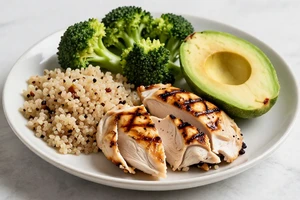
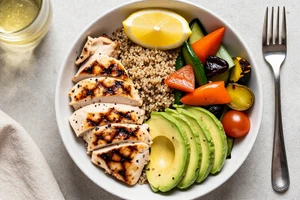
The fix? Look for dishes that lead with protein and vegetables rather than sauce and noodles. A plate that is 50 percent vegetables, 25 percent lean protein, and 25 percent whole grains (like brown rice or quinoa) is the target.
2. You Crave More Carbs or Sweets Immediately After the Meal Ends
This is a leptin resistance clue. Leptin is your "fullness" hormone; it tells your brain you have enough energy stored and can stop eating. When a meal is extremely high in certain fats and sugars—the hallmark of many takeout dishes—your brain can stop hearing leptin's message.
Consider a typical takeout experience: crispy spring rolls, a main dish drenched in a sugary glaze, and maybe a soda. This combination of refined oils and simple sugars can temporarily blunt your leptin signaling. Even though you just consumed a calorie-dense meal, your brain thinks it's starving. The result is a nagging desire for something sweet or starchy—"I could really go for a cookie or some chips right now."
Research in neuroendocrinology shows that consistently high intakes of saturated fats and high-fructose corn syrup (common in takeout sauces) are linked to reduced leptin sensitivity. If you finish your meal and immediately start thinking about dessert or a snack, your leptin isn't turning on the brakes.
3. You Feel Unusually Stressed or Irritable After Eating
Your gut and brain talk constantly through the vagus nerve. When a takeout meal is loaded with industrial seed oils (soybean, corn, canola, cottonseed) and additives, it can trigger a low-grade inflammatory response in the gut lining. This inflammation signals the brain to increase cortisol, your stress hormone. Cortisol, in turn, elevates ghrelin.
This creates a feedback loop: you eat a heavy, greasy meal, feel a bit foggy or irritable after, and your body responds by making you hungrier than you were before the meal. You might find yourself craving more of the same food the next day, not because you need it, but because your hormones are now out of rhythm.
Notice your mood thirty minutes after eating. If you feel lethargic, irritable, or mentally foggy, the meal likely triggered inflammation. A clean meal should leave you feeling neutral or slightly energized.
How to Spot the Culprits on the Menu
You don't have to swear off takeout completely. The goal is informed ordering. Here are the three main triggers to watch for and how to sidestep them.
Hidden Sugar in Sauces and Marinades
This is everywhere. General Tso's chicken, lo mein, pad thai, teriyaki bowls, and most "house special" sauces contain added sugar—usually between 15 and 30 grams per serving. Ask for sauce on the side. Use half or less. For sushi, avoid eel sauce and spicy mayo, which are sugar- and oil-heavy. Choose sashimi or hand rolls with less rice.
Refined Seed Oils in Frying and Stir-Frying
Most takeout is cooked in soybean or canola oil. These oils are high in omega-6 fatty acids, which can promote inflammation when consumed in excess. Fried items—egg rolls, tempura, wontons, crispy chicken—soak up these oils. Opt for steamed, grilled, or stir-fried dishes (with minimal oil) and ask if they can use olive or avocado oil. Many local Chinese and Thai restaurants will accommodate this if you ask nicely.
White Rice and Noodles Without a Protein or Fiber Partner
A giant pile of white rice or noodles is a fast-acting carbohydrate that spikes glucose. If your takeout order is heavy on the starch and light on the protein and vegetables, you are setting yourself up for a hunger rebound. Order brown rice or cauliflower rice if available. Bulk up the meal with extra steamed vegetables. If you're getting noodles, make it a small side, not the main.
Building a Takeout Habit That Works for Your Hormones
You can still enjoy the convenience and flavor of takeout without fighting your body an hour later. Use these three guidelines to keep your ghrelin and leptin in check.
- Start with a vegetable-based appetizer. Spring rolls (fresh, not fried), a small salad, or miso soup before the main dish helps blunt the blood sugar impact of the meal.
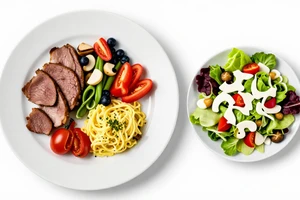
- Apply the half-plate rule. Fill half your plate with vegetables, a quarter with protein, and a quarter with starch. Even if it's served all mixed together, mentally portion it out before you start.
- Drink water with lemon or sparkling water. Skip the soda, sweet tea, or juice. Sugary drinks double the insulin spike and make the crash worse.
If you notice these three signs after your favorite takeout meal, you have a clear signal: that dish is not serving your hunger hormones. The good news is you can adjust the same order—sauce on the side, steamed instead of fried, add vegetables—and break the cycle. Your appetite will settle back into its natural rhythm within a few days of cleaner choices.