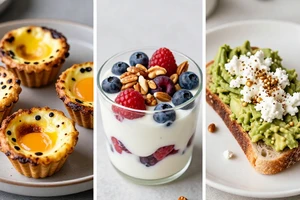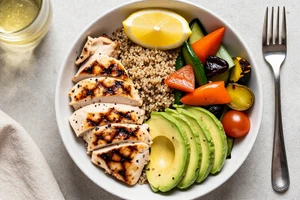

You order the grilled chicken salad. You skip the bread basket. You feel virtuously full—until the scale refuses to budge. If this sounds painfully familiar, you are likely a victim of two surprisingly common restaurant meal mistakes that quietly derail weight loss, even when you are trying to be good.
The good news? These pitfalls are not about willpower. They are about invisible calories, portion architecture, and the hidden ways restaurant kitchens operate. Once you see them, you can sidestep them without turning every meal into a joyless math problem.
Mistake #1: The "Healthy" Meal That Isn't
Restaurants are masters of the health halo. A quinoa bowl sounds virtuous, but that’s before the kitchen glazes the vegetables in honey, tosses the chicken in a sugar-laden marinade, and drizzles a tahini dressing that packs more calories per ounce than ranch. Suddenly, your "light" lunch is carrying 900 calories.
The problem is less about individual ingredients and more about what I call the invisible three: oils, sugars, and salt that chefs use to make food taste addictive. A dry-grilled salmon fillet is around 200 calories. But if it's pan-seared in butter and served with a creamy dill sauce, that same piece of salmon can clock in at 600 calories or more.
How to spot and fix it
- Ask about cooking fat: Request your protein or vegetables be prepared in a small amount of olive oil or, better yet, steamed or grilled dry. Most kitchens have a spray oil option if you ask.
- Get dressing on the side: This is the oldest trick in the book for a reason. Use a fork to dab, not drench. Two tablespoons of dressing (a standard serving) can be 100-150 calories. A restaurant pour is often four times that.
- Watch for "glazed," "caramelized," or "honey-roasted": These are code for added sugar. Opt for "grilled," "steamed," "poached," or "broiled."
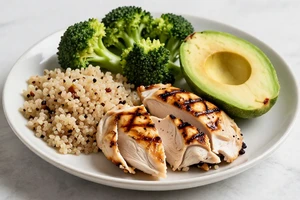
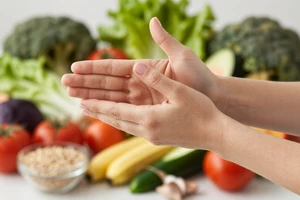
Fast fix: Before ordering, scan the menu for a 3-item plate—a palm-sized protein, a fistful of non-starchy vegetables, and one cupped handful of starch. If your plate has a mountain of quinoa and a drizzle, it's out of balance.
Mistake #2: The Single-Plate Portion Trap
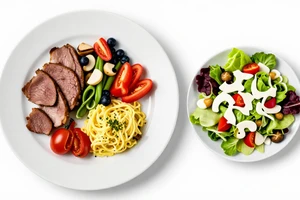
Restaurants serve what food scientists call a "value portion." It looks like one plate of pasta, but it actually contains a full day’s worth of carbohydrates—and often your entire daily caloric lunch budget plus dinner’s. This is not a conspiracy; it’s how restaurants keep prices reasonable and customers satisfied.
The real trap? We are wired to finish what’s in front of us. Even when you feel full, the social pressure to not waste food, combined with the lingering taste of a well-seasoned meal, prompts you to finish the plate. Your satiety cues never stood a chance.
How to reclaim control at the table
- Box half before you start: Ask your server for a to-go box when you order. As soon as the plate lands, split it in half and put one portion away. This single move slashes your meal's calorie impact by up to 50%.
- Practice the 20-minute rule: Eat slowly. Put your fork down between bites. Sip water. It takes about twenty minutes for your brain to register fullness. If you finish in twelve, you’ll inevitably overeat.
- Order appetizer-sized: Many restaurants will serve an entrée as an appetizer portion. You get the flavor experience for roughly half the volume.
How to combine these fixes into a sustainable approach
You do not need a complicated system. You only need two new habits that become automatic. Here is how they fit together during a real meal:
- Scan for hidden calories first. Before you open the menu, decide your two “non-negotiables”: water, not soda; and protein with vegetables as the base. This cuts through the health halo.
- Manage the volume physically. When the food arrives, eat half. If you are still hungry after 15 minutes, you can always dip into the waiting container. Most people find they stop well before the second half.
One real-world example: A common "healthy" burrito bowl from a fast-casual chain: rice, black beans, chicken, salsa, guacamole, cheese, and sour cream. The average diner uses about 1.5 cups of rice and a half-cup of cheese. That alone is over 700 calories before the guac and sour cream. If you ask for a lettuce base instead of rice, double the veggies, and use half the guac, you drop closer to 500 calories—and you actually leave comfortably full rather than stuffed.
The final word for your next restaurant meal
Weight loss is a long game. You are not going to undo weeks or months of work because of one dinner out. The goal is not perfection but pattern change. If you can consistently avoid the two biggest mistakes—believing the health halo on the menu, and eating every last bite of a monstrous portion—you will build a reliable habit that keeps your progress on track without making eating out a source of anxiety.
Next time you sit down at a restaurant, remember this: you are the one paying for the meal, not the other way around. You have every right to order it exactly the way that serves your goals. The kitchen will adapt. Your scale will thank you.