
Eating out while trying to maintain a calorie deficit can feel like walking a tightrope. Restaurant portions have ballooned over the years, and the average plate often contains enough food for two or three meals. Add in hidden fats, sugars, and sodium, and it is no wonder that many people feel like they have lost control before the waiter clears the table.
The good news is that you do not need to swear off restaurants. With a few practical strategies, you can enjoy eating out while keeping your calorie goals on track. These seven portion control tips help you eat what you like, just in amounts that work for your body.
1. Scan the Menu with a Calorie-Aware Mindset
Start before you arrive. Most restaurants post their menus online, and many include calorie counts. Read through the options and pick two or three dishes that align with your goals. Look for grilled, baked, steamed, or broiled proteins. Choose dishes that feature vegetables as the star rather than heavy cream sauces or fried coatings.
Words such as “crispy,” “crunchy,” “battered,” and “smothered” usually signal extra oil and cheese. Dishes described as “seasonal,” “fresh,” or “wood-fired” tend to be lighter. If you are torn between two options, go with the one that has the simpler ingredient list. The fewer processed touches a dish has, the easier it is to stay within your calorie target.
2. Ask for a To-Go Box Upfront
One of the most effective portion tricks costs nothing. When your food arrives, immediately ask for a to-go box. Before you take a single bite, scoop half the entrée into the box. This simple act halves your portion without requiring any willpower at the table. You get to enjoy the meal you ordered, and you have lunch ready for tomorrow.
Many restaurants serve entrées that weigh in at 1,200 to 1,800 calories. If your daily deficit target sits around 1,500 to 1,800 calories total, eating the whole plate wipes out your budget. Boxing half keeps the meal in a range closer to 600 to 900 calories, leaving room for a starter or a side vegetable.
3. Rethink the Bread Basket and Starters
The hardest part of managing portions often comes before the main course. Bread baskets, chips and salsa, and shared appetizers add mindless calories that are easy to overlook. A few breadsticks with butter can add 400 to 500 calories before the entrée arrives.
If you want the social experience of sharing a starter, choose a vegetable-based option such as a grilled artichoke, a small garden salad with vinaigrette, or steamed edamame. Ask for the bread basket to be removed from the table unless everyone at the table wants it. When the basket stays, it disappears. When it is gone, you do not think about it.
If you absolutely want a bite of bread, take one piece, leave the butter, and enjoy it slowly. That single piece offers the same sensory pleasure as three pieces, but it costs you a fraction of the calories.
4. Use Visual Cues to Gauge Serving Sizes
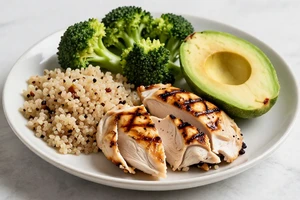
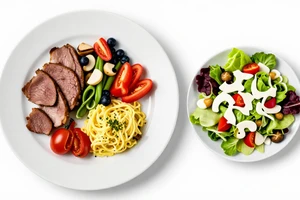
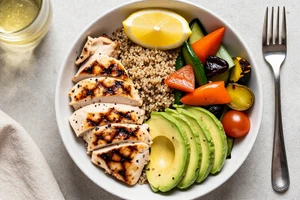
When you are not boxing half the meal, use simple visual comparisons to keep portions in check. Your protein portion should be about the size and thickness of your palm or a deck of cards. Starchy sides such as rice, potatoes, or pasta should fill no more than a cupped handful, roughly the size of a tennis ball. Vegetables can fill the rest of the plate with no guilt.
These visual cues work even when you are distracted by conversation or a busy atmosphere. You do not need to carry measuring cups. You just need to look at your plate before you start eating and mentally map out where your portions land.
If the restaurant serves oversized plates, ask the server to plate your meal in the kitchen on a smaller plate. Many restaurants have salad plates or appetizer plates that fit a better portion size. A smaller plate tricks your eyes into seeing a full meal, so you feel satisfied with less.
5. Pause Halfway Through the Meal
Eating quickly bypasses your body's natural fullness signals. It takes about twenty minutes for your brain to register that your stomach is full. If you finish your plate in ten minutes, you have missed the signal entirely.
Set a deliberate midpoint pause. Lay down your fork, take a sip of water, and engage in the conversation. Check in with your hunger on a scale from one to ten. If you are at a six or seven, you are likely satisfied enough to stop eating, even if food remains on the plate. Leftovers are a win, not waste. You are not obligated to clean the plate just because the restaurant gave you a generous portion.
Try this: Place your napkin on top of your plate when you feel about halfway done. The physical barrier stops automatic fork-to-mouth movement and forces you to decide whether you really want another bite.
6. Choose Sauces and Dressings on the Side
Hidden liquid calories add up fast. A standard restaurant vinaigrette can pack 300 to 400 calories in a four-ounce serving. Creamy dressings, cheese sauces, and butter-based sauces are even denser.
Always ask for sauces and dressings served on the side. Dip your fork into the sauce before spearing a bite of food, rather than pouring the sauce over the whole dish. This simple technique cuts your sauce consumption by half or more, while still giving you the flavor hit with every few bites. If the dish comes with a heavy sauce, ask if the chef can swap it for a lighter option such as a squeeze of lemon, fresh herbs, or a light broth.
7. Watch What You Drink
Sugary cocktails, sweet teas, sodas, and even some fruit juices can contain as many calories as a full meal. A single margarita or a large soda adds 300 to 500 calories that offer zero nutritional value and do little to fill you up.
If you want to drink, choose options such as sparkling water with lime, unsweetened iced tea, or a light wine spritzer. Alcohol lowers inhibition and can lead to mindless eating, so if you do have a drink, stick to one and pair it with a glass of water in between. Staying hydrated also reduces the chance that you mistake thirst for hunger.
Restaurant meals do not have to derail your calorie deficit. You can eat the same foods you love, with a few adjustments in how you order, plate, and pace yourself. The goal is not to eat as little as possible, but to eat the right amount for your goals while still enjoying the experience of dining out. Over time, these portion strategies become habits, and you will find yourself naturally gravitating toward choices that support your body without feeling deprived.