
Spinach has a well-earned reputation as a superfood, largely because of its iron content. Many people reach for a big bowl of raw spinach salad expecting a significant iron boost, only to wonder why they don't feel much different. The truth is that how you prepare this leafy green makes a real difference in how much iron your body can actually absorb.
The key is oxalic acid. Spinach naturally contains oxalates, compounds that bind to minerals like iron and calcium, making them less available during digestion. When you eat raw spinach, a good portion of its iron passes right through you without ever entering your bloodstream. But here's the good news: a simple shift in cooking technique can dramatically improve iron availability.
How Heat Changes Spinach's Chemistry
Applying heat to spinach reduces its oxalate content. When oxalates break down, more iron remains in a form your body can use. A 2005 study in the Journal of Agricultural and Food Chemistry found that boiling spinach reduced oxalate levels by up to 87 percent. Steaming also works, though it takes slightly longer to achieve the same effect. The result is that a serving of cooked spinach can deliver significantly more absorbable iron than the same amount of raw leaves.
This is not to say raw spinach has no value. It is still a source of vitamin C, fiber, and other phytonutrients. But if your goal is to maximize iron for energy, blood health, or to manage low ferritin, cooking is your friend.
What About Vitamin C?
Vitamin C is known to enhance non-heme iron absorption (the type found in plants). Adding a squeeze of lemon juice or a few slices of bell pepper to cooked spinach can further improve how much iron your body takes up. This is a simple, food-based strategy that works well alongside proper cooking.
Cooking spinach and pairing it with a vitamin C source is one of the most effective ways to increase iron availability from plant foods.
Does Cooking Destroy Other Nutrients?
This is a common concern. Heat does reduce some water-soluble vitamins, particularly vitamin C and some B vitamins. However, the trade-off is often worth it for the iron benefit. Spinach is not our primary source of vitamin C anyway—citrus fruits, bell peppers, and broccoli handle that role better. Cooking also makes other nutrients like beta-carotene (a form of vitamin A) more accessible. So while you lose a bit in one area, you gain in another.
Quick Comparison: Raw vs. Cooked Spinach
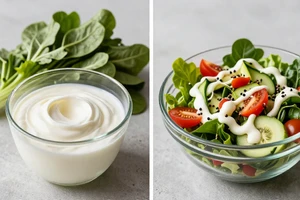
- Raw spinach: Higher in vitamin C and folate, but lower absorbable iron due to oxalates.
- Steamed or boiled spinach: Greatly reduced oxalates, higher bioavailable iron, better beta-carotene access.
- Sautéed spinach: Similar benefits to steaming, especially if cooked briefly in a little oil (which also helps with vitamin K absorption).
How Much Cooked Spinach Should You Eat?
There is no one-size-fits-all number, but incorporating a half-cup to one cup of cooked spinach several times per week can contribute meaningfully to your iron intake. Because cooking reduces volume significantly (a whole bag of raw spinach becomes just a few tablespoons when wilted), it is easy to eat more cooked spinach without feeling overly full. That concentration matters for iron.
Simple Ways to Cook Spinach for Iron
- Boil or steam briefly until just wilted, then drain excess water (some oxalates leach into the cooking water).
- Sauté with garlic and olive oil for a quick side dish. The fat helps with vitamin absorption.
- Add to soups, stews, or omelets near the end of cooking so it wilts without overcooking.
- Pair with a squeeze of lemon or a side of tomatoes for the vitamin C boost.
A note about oxalates: For most people, moderate intake of cooked spinach is perfectly safe. Those with a history of calcium oxalate kidney stones may need to limit high-oxalate foods and should discuss individual needs with a healthcare provider.
Bottom Line on Iron from Spinach
Cooking method absolutely matters for iron availability. You do not have to give up raw spinach salads entirely, but if you want to get more iron from this green, cook it. And remember to pair it with a source of vitamin C for an extra absorption boost. Small choices in the kitchen can have a real impact on your nutrient intake—no supplements required.