You buy fresh vegetables, wash them carefully, and prepare a healthy meal. But a key factor might still be working against you: the way you cook them. Research and nutrition experts agree that cooking method can significantly impact how many antioxidants end up on your plate. While raw vegetables have plenty going for them, gentle, heat-based preparation can actually unlock more of certain beneficial compounds in some cases.
Antioxidants are molecules that help neutralize unstable compounds called free radicals, which can damage cells and contribute to aging and chronic disease. Vegetables are a rich natural source, but the structure of plant cells can sometimes keep these compounds locked away. Heat, used carefully, can soften cell walls and release antioxidants your body can then absorb. Getting this balance right means you get more from every bite.
Why heat helps and hurts antioxidant availability
Think of a plant cell like a tiny vault. The cell wall, made mostly of fiber, protects the nutrients inside. Raw vegetables require a lot of chewing and digestive effort to break those walls down. Cooking does some of that work for you. Gentle heat softens the tough cellulose and pectin, releasing antioxidants such as carotenoids (beta-carotene in carrots, lycopene in tomatoes) and polyphenols.
However, heat can also degrade certain antioxidants that are more fragile. Vitamin C, a powerful antioxidant, is especially sensitive to heat and water. So boiling broccoli in a large pot of water can send much of its vitamin C down the drain. The goal is to use methods that maximize release while minimizing loss.
Steaming: The gold standard for most vegetables
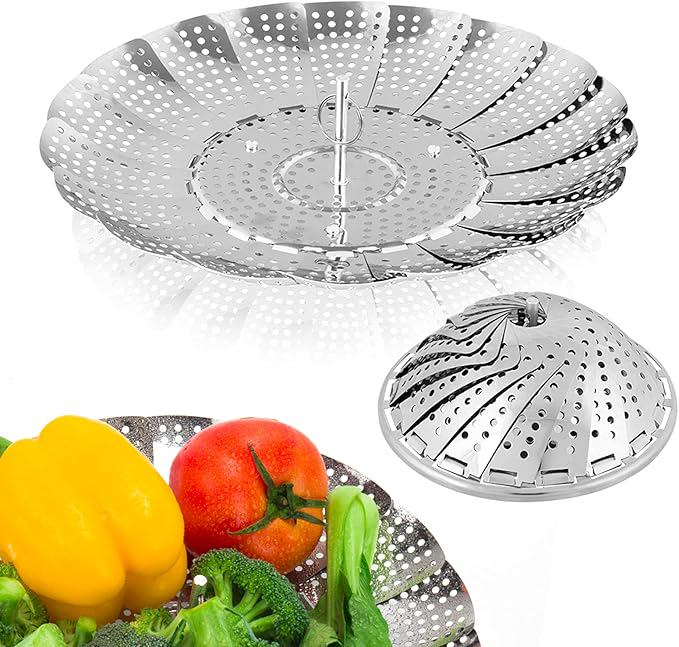
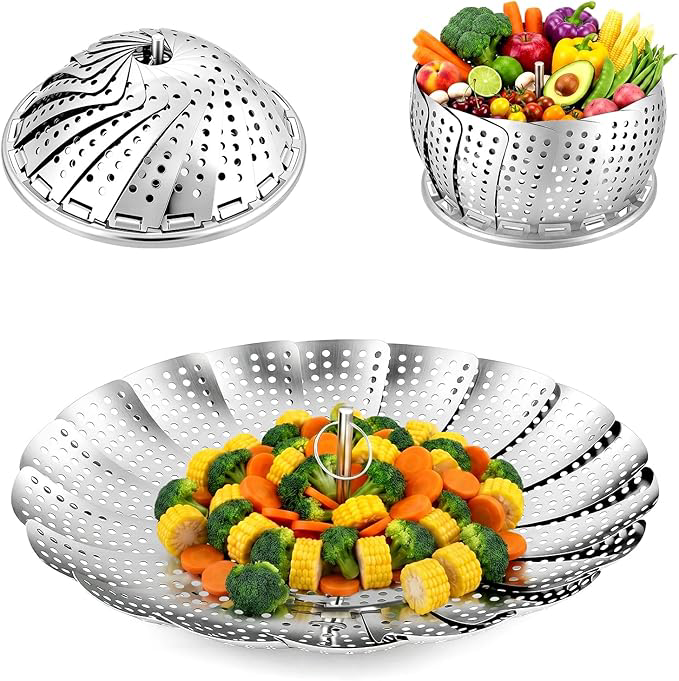
Nutrition experts often recommend steaming as the method that preserves the highest levels of antioxidants for the widest range of vegetables. Because the vegetables sit above the boiling water, they are not submerged, so water-soluble nutrients like vitamin C and B vitamins stay in the plant tissue rather than leaching out.
Steaming also uses relatively moderate heat, which is enough to soften cell walls and increase the bioavailability of carotenoids without destroying more delicate compounds. For leafy greens like spinach and kale, steaming reduces their volume dramatically, allowing you to eat a larger nutrient dose in one sitting than you could raw.
Quick tip: Steam vegetables until they are just tender enough to pierce with a fork. Overcooking, even while steaming, can still lower antioxidant levels. Three to five minutes is often enough for florets and thin cuts.
Sautéing and stir-frying: Quick and protective
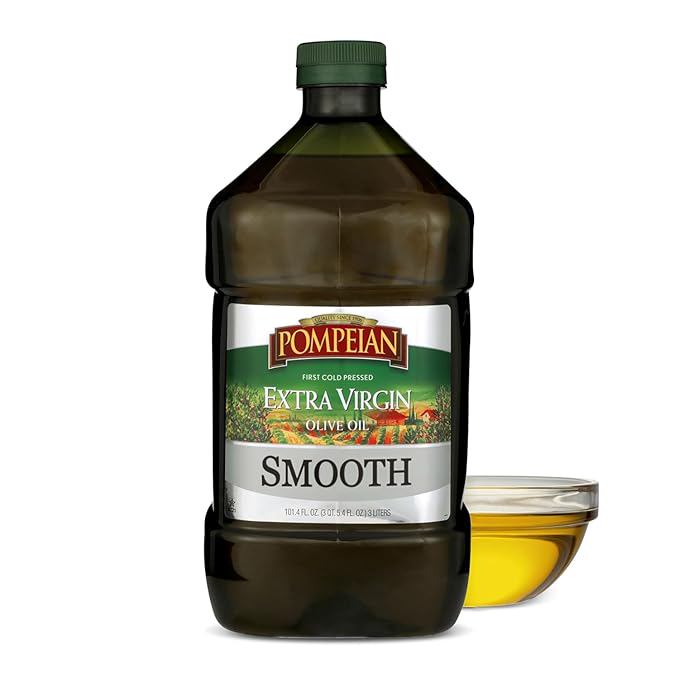
Stir-frying and light sautéing use a small amount of fat and high heat for a short time. This method offers a unique advantage: many antioxidants in vegetables are fat-soluble. Carotenoids, such as the lycopene in tomatoes and the beta-carotene in carrots, require a little fat to be absorbed by your body. Cooking sliced carrots in a small amount of olive oil, for example, boosts the amount of beta-carotene your system can use.
The short cooking time helps preserve heat-sensitive nutrients. A quick stir-fry of bell peppers and broccoli can maintain more vitamin C than roasting or boiling would. To get the best results, heat a small amount of oil in a hot pan, add vegetables, and cook for just a few minutes until they are bright in color and crisp-tender.
Roasting and baking: Concentrated flavor and carotenoids
Roasting uses dry, high heat, which can concentrate flavors by driving off moisture. This method is excellent for root vegetables like sweet potatoes, beets, carrots, and winter squash. The intense heat breaks down complex carbohydrates and fibers, making the natural sweetness come forward, and significantly increases the bioavailability of carotenoids.
Research has shown that roasting can sometimes result in higher total antioxidant activity than boiling or even steaming for certain vegetables. However, because of the high heat, some loss of heat-sensitive antioxidants like vitamin C and folate occurs. Roasting is a solid choice when your goal is to maximize carotenoid intake and you enjoy the caramelized flavor.
Methods that reduce antioxidant content the most
Boiling is the most common culprit when it comes to reducing antioxidant content. When vegetables are fully submerged in water, nutrients such as vitamin C, folate, and many B vitamins diffuse into the cooking water, which is often poured away. If you do boil, save the nutrient-rich water for soups or stews, but know that the vegetable itself will have a significantly lower antioxidant density than steamed or roasted versions.
Frying, or deep-frying, adds another problem. The high heat (often above 350°F or 175°C) and long exposure times can degrade antioxidants while also adding unhealthy fats and advanced glycation end-products (AGEs). French fries, for all their potato-based origin, offer far fewer antioxidants than baked or boiled potatoes and come with added health concerns due to the frying process.
Microwaving sits somewhere in the middle. Because it cooks quickly with minimal water, it can actually preserve antioxidants quite well. Studies have found that microwaving broccoli retains almost as many flavonoids and phenolic compounds as steaming. The key is to use a small amount of water and short cooking times.
Does the type of vegetable matter?
Yes. The ideal cooking method depends on the vegetable you are preparing.
- Tomatoes: Cooking tomatoes (even lightly) dramatically increases the bioavailability of lycopene, a powerful antioxidant linked to heart and prostate health. A quick simmer or roast is excellent.
- Carrots: Light cooking, whether steaming, sautéing, or roasting, increases beta-carotene levels compared to raw carrots. Boiling loses some benefits, but roasted carrots are a great choice.
- Broccoli and cauliflower: Steaming or microwaving with minimal water preserves the highest levels of glucosinolates and vitamin C. Avoid boiling and overcooking.
- Spinach and leafy greens: Brief steaming or sautéing reduces oxalates (which can interfere with mineral absorption) and makes iron and calcium more available. Light cooking wins here.
- Bell peppers: Raw peppers are excellent for vitamin C. If you cook them, a quick stir-fry or light roast retains more nutrients than prolonged cooking.
Practical tips from nutrition experts
A few simple habits can help you preserve and boost the antioxidants in every vegetable dish you make. Try to cut vegetables into larger, uniform pieces rather than very small ones to reduce the surface area exposed to heat and water. Cook vegetables until just tender rather than soft and mushy. Use the cooking water from steaming or boiling as a base for soups or cooking grains, so you retain the nutrients that did leach out. Always include a source of healthy fat, like a drizzle of olive oil, a few avocado slices, or a sprinkle of nuts or seeds, to help your body absorb the fat-soluble antioxidants present in the meal.
There is no single perfect method for every vegetable, but understanding the general principles—use gentle heat, minimize water exposure, cook only until tender, and pair with fat—allows you to customize your cooking approach. This simple knowledge helps you get the most from your produce, turning a good meal into a truly nutrient-dense one.