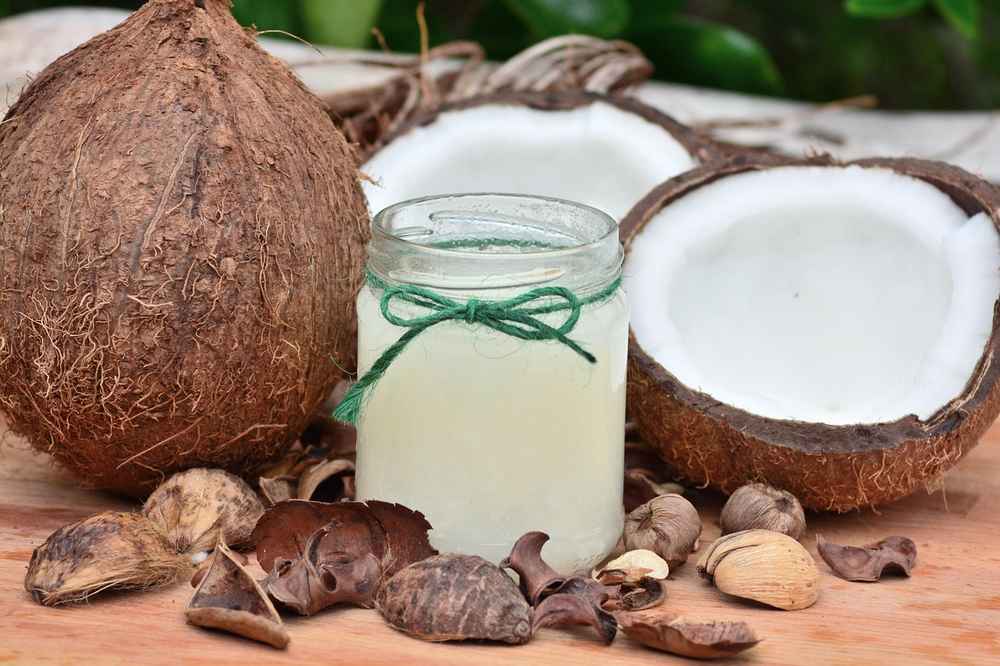
After you roll up your mat following a solid vinyasa class, the first thing you reach for can make or break how you feel for the rest of the day. For years, the go-to choice has been a brightly colored sports drink promising to replace electrolytes and boost energy. But there is a quieter, more natural option that deserves a spot in your gym bag: coconut water.
This isn't about chasing a trendy wellness label. It is about understanding what your body actually loses during a yoga session and what it needs to rebuild. While sports drinks have their place in certain situations, coconut water offers a cleaner, more balanced profile that aligns remarkably well with the specific demands of a typical yoga practice.
What your body loses on the mat
Yoga is not always associated with heavy sweating, but a dynamic flow—think Ashtanga, power yoga, or a heated Vinyasa class—can be surprisingly dehydrating. You lose fluids and, more importantly, electrolytes: sodium, potassium, magnesium, and calcium. These minerals are essential for muscle contraction, nerve signaling, and fluid balance. Imbalances can lead to cramping, fatigue, and lightheadedness.
Sports drinks are designed for prolonged, high-intensity endurance events where a person is losing massive amounts of sweat and needs a quick hit of sugar for energy and sodium for retention. Most yoga sessions, even sweaty ones, don't reach that level of metabolic urgency.
Nutritional breakdown: side by side
Coconut water stands out because of its natural electrolyte composition. A typical cup of pure coconut water (about 240 ml) contains roughly 600 mg of potassium and about 250 mg of sodium, along with smaller amounts of magnesium and calcium. The potassium content is particularly significant here, because that is the mineral most depleted by sustained muscle contraction.
Compare that to many mainstream sports drinks. A standard 12-ounce serving might have around 160 mg of sodium and only 45 mg of potassium, with added high-fructose corn syrup or other sugars clocking in around 21 grams. The sugar in coconut water is naturally occurring (about 9–12 grams per cup), mostly in the form of simple carbohydrates that your body can use quickly.
For a yoga recovery context, the higher potassium and lower sugar profile of coconut water is usually more appropriate. You get what your muscles need without consuming unnecessary processed sweeteners.
The sugar question
Most people don't need the heavy sugar load found in standard sports drinks after yoga. The quick glucose spike can lead to an energy crash later, and it can counteract some of the calming, anti-inflammatory effects you're trying to achieve through your practice. Coconut water provides enough natural sugar to replenish glycogen stores after an hour-long class without overloading your system.
Digestion and comfort during Savasana
There is also a practical comfort factor. A heavy, sugary sports drink can sit poorly in the stomach during the final relaxation pose or a forward fold. Coconut water is light, easy on the digestive system, and hydrating without any artificial colors, flavors, or preservatives. This matters if your recovery routine includes a short meditation or a gentle cool-down sequence where you want to feel calm, not bloated.
One study published in the Journal of the International Society of Sports Nutrition found that coconut water was as effective as a commercial sports drink for rehydration after exercise, with less stomach upset. Another research review noted its anti-inflammatory properties due to natural antioxidants called cytokines.
These benefits are especially relevant for yoga, which emphasizes both physical recovery and mental clarity.
Sodium levels: the one watch-out
To be accurate, coconut water is not a perfect substitute for every scenario. If you are doing a three-hour hot yoga marathon in 95-degree heat, you might be shedding sodium faster than potassium. In that situation, a sports drink with a higher sodium concentration might be more appropriate. However, for most one-hour to 90-minute classes, the electrolyte ratio in coconut water is well-suited for rebalancing what you lost.
A simple adjustment if you want more sodium is to add a tiny pinch of pink salt directly into your coconut water. This gives you a custom, clean electrolyte drink without any of the chemical additives.
Practical tips for using coconut water in your practice
If you decide to make the switch, keep a few things in mind. Not all coconut waters are created equal. Many brands add sugar or mix in fruit juice, which defeats the purpose. Look for a label that says 100% pure coconut water with no added ingredients.
- Pre-hydration: Drink about half a cup 30 minutes before class. The light carbohydrate content provides a gentle energy lift.
- During class: A few small sips during water breaks is fine, but most people don't need to drink during a flow that lasts less than an hour.
- Post-class: Aim for one cup within 30 minutes of finishing your practice. This window is when your muscles are most receptive to nutrient uptake.
Chilled coconut water tastes noticeably better than warm, so keep it in a cooler bag if you are heading to the studio. Some people find the flavor slightly too sweet or earthy; diluting it with still water or sparkling water can make it more palatable.
The bigger picture: natural hydration as a yoga principle
There is also something philosophically consistent about choosing whole, natural hydration over a manufactured product. Yoga is rooted in the idea of reducing unnecessary noise—physical, mental, and dietary. Choosing a drink that comes straight from the fruit, with zero processing, aligns with that ethos. It is simple, transparent, and effective.
This doesn't mean you need to demonize sports drinks entirely. They have a time and place, particularly if you are a competitive athlete or practice under extreme conditions. But for the vast majority of yoga students, coconut water provides the electrolytes, the hydration, and the gentle energy you need without the sugar crash, artificial additives, or digestive heaviness.
Next time you unroll your mat, consider leaving the neon bottle at home. Your body will thank you for the natural upgrade.