
Crossing the finish line of a solid run feels incredible. Your lungs are open, your legs have done their work, and a good meal is the only thing on your mind. But if you regularly deal with a stiff, knotted neck after your cooldown, what you put on your plate might be making it worse. The neck is a common crash site for systemic inflammation, and certain foods can trigger or amplify that tension, turning a good run into a day of discomfort.
Neck tension after exercise isn't just about poor form or a tight trapezius. It can be fueled by what I call the "inflammatory triple threat": dehydration, electrolyte imbalance, and foods that promote tissue swelling and nerve sensitivity. By swapping out a few common post-run staples, you can help your muscles actually relax instead of locking up. Here are five foods to avoid in your post-run meal if neck tension is a frequent problem.
1. High-Sodium Processed Meats
You might be craving protein after a run, and a deli turkey sandwich or a bacon-topped sweet potato sounds easy. But processed meats — bacon, sausage, salami, and many deli slices — are packed with sodium and often nitrates. While you do lose salt through sweat, a massive dose of sodium without enough water can throw off your body's fluid balance.
When your sodium-to-potassium ratio is skewed, your muscle cells can hold onto too much water or become dehydrated, both of which make them prone to cramping and stiffness. The neck muscles, which are constantly working to hold your head upright, are especially sensitive to this imbalance. Instead of relying on processed meats, choose a grilled chicken breast, tofu, or a simple egg scramble where you can control the salt.
2. Sugary Sports Drinks and Fruit Juices
I know that reaching for a bright blue sports drink after a run feels like a reward. But unless you ran a marathon or did high-intensity intervals in extreme heat for over an hour, you don't need that much sugar and artificial coloring. A rapid spike in blood sugar triggers an inflammatory response in the body. For people prone to neck tension, this can mean increased nerve sensitivity and muscle guarding — your neck essentially braces itself.
Additionally, the high-fructose corn syrup in many drinks has been linked to increased inflammatory markers. After a run, your body is trying to repair tissue. Flooding it with sugar creates a metabolic tug-of-war. Opt for plain water with a pinch of sea salt and a squeeze of lemon, or a tart cherry juice spritzer (diluted) for anti-inflammatory benefits.
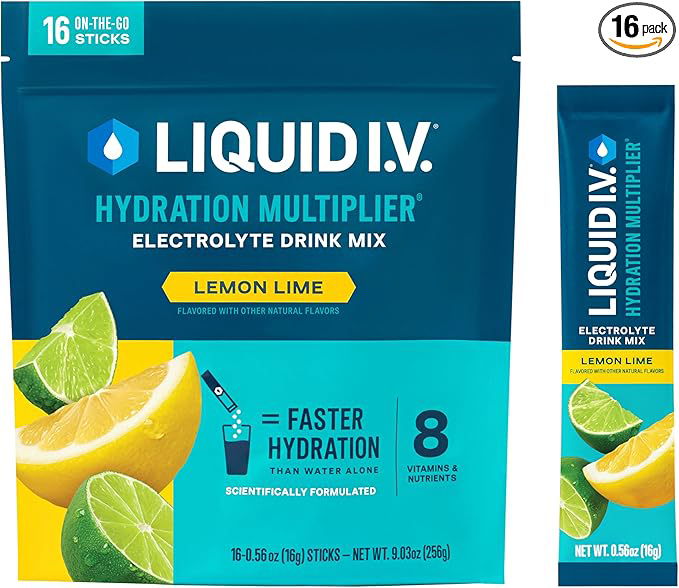
Tip: Electrolyte powders that use stevia or monk fruit and contain magnesium can help relax muscles without the sugar crash.
3. Deep-Fried Foods
It is tempting to pair a burger with fries or grab fried chicken after a long run. The problem is that deep-fried foods, especially those cooked in cheap vegetable oils (soybean, sunflower, canola) at high temperatures, are rich in advanced glycation end products and inflammatory omega-6 fatty acids. These compounds can exacerbate systemic inflammation.
When the tissues surrounding your cervical spine are already inflamed from the mechanical stress of running, adding a load of fried oil is like pouring gas on a small fire. You might not notice it immediately, but a few hours later, you could feel increased stiffness and achiness in the neck and shoulders. Keep the fat intake for post-run meals clean — think avocado, olive oil, or almonds.
4. Dairy (for those sensitive to it)
Dairy is a tricky one because it doesn't bother everyone. But for a significant number of people, especially those with lactose intolerance or an allergy to the A1 casein protein, dairy is a potent mucus-forming and inflammatory food. A post-run smoothie made with milk or a bowl of yogurt might seem harmless. However, if dairy causes a low-grade immune reaction in your body, it can lead to fluid retention and swelling in soft tissues, including the muscles of the neck and shoulders.
This isn't an automatic ban on all dairy. Greek yogurt is lower in lactose, and high-quality whey protein is often filtered to remove the problematic parts. But if you notice that your neck feels puffy or more locked up on days you eat cheese or drink milk post-run, it is worth a two-week trial period to see if cutting it out eases the tension. Try a smoothie with oat milk, coconut yogurt, or a pea-based protein powder instead.
5. Foods High in Refined Grains (Crackers, White Bread, Sugary Cereals)
Carbohydrates are essential after a run to replenish glycogen stores. But the type of carb matters significantly. A bagel, white rice crackers, or a bowl of sugary cereal is a simple carbohydrate that gets digested very quickly, causing a large insulin spike followed by a potential dip in blood sugar. This fluctuation can stimulate the stress hormone cortisol.
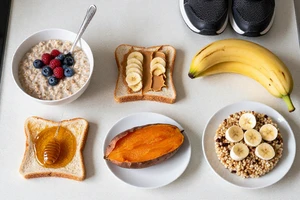
When cortisol is high, your muscles are more likely to stay in a state of tension — your neck being a primary target. Instead of reaching for empty carbs, pair your protein with a complex carbohydrate source like brown rice, quinoa, a baked sweet potato (skins on), or whole-grain oats. These provide a steady energy release without the inflammatory spike.
Small changes in your post-run nutrition can make a real difference in how your neck feels. Listen to your body. If you skip these five categories of foods for a week after your runs and replace them with whole, anti-inflammatory options, you might find that your neck tension becomes less of a recurring post-run guest and more of an occasional visitor.