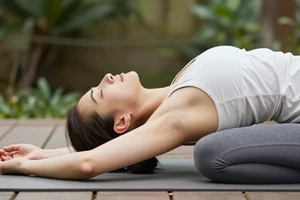
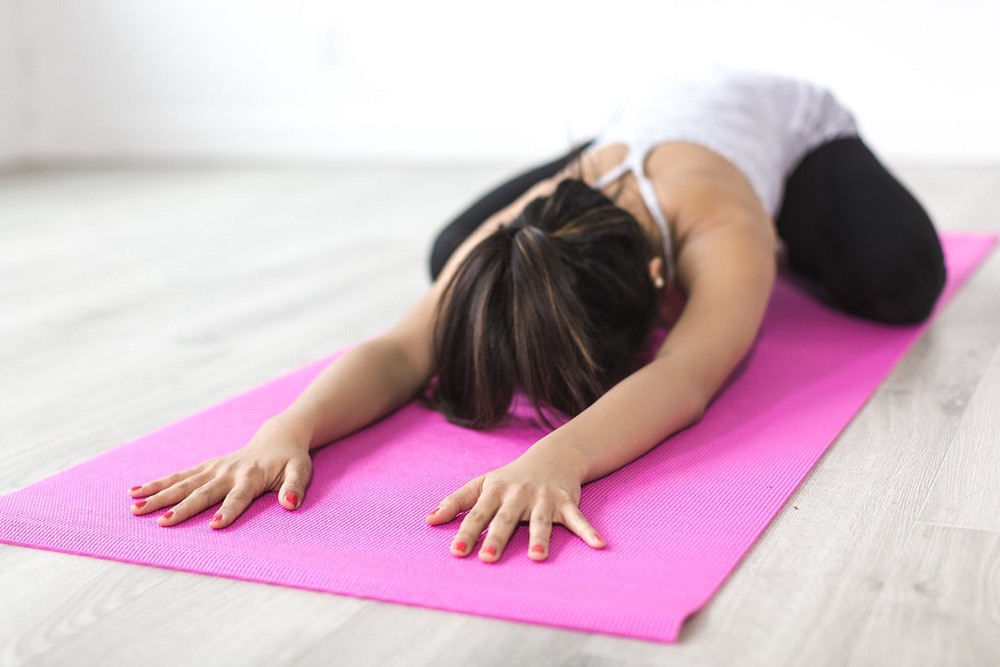
You step onto the mat expecting to feel looser after a few weeks of consistent yoga. Instead, your hamstrings feel tighter than when you started, your hips ache, and touching your toes seems harder. If this sounds familiar, you are not alone—and your body is not broken. Many beginners experience a temporary dip in flexibility before things improve. The problem is often not the practice itself but how the practice is approached. Here are five common reasons beginner yoga routines can reduce flexibility, and what to do about each one.
1. Overstretching with Poor Body Awareness
New yogis often interpret "feel the stretch" as "stretch as hard as possible." This leads to pulling or bouncing into ranges the muscles are not ready for. When you overstretch, your nervous system interprets the intensity as a threat and responds by tightening the muscle to protect it. This protective contraction—called the stretch reflex—can leave you feeling tighter after class than before. Instead of pushing to your maximum every time, aim for a stretch that feels like a 6 or 7 out of 10 in intensity. Hold it there calmly, breathe, and let the muscle release on its own timeline.
2. Not Activating the Stabilizer Muscles
Yoga is not passive stretching; it demands strength and stability throughout each pose. When a beginner relies entirely on ligaments and joint capsules to hold a pose—because the surrounding muscles are not engaged—the body senses instability and tightens up. For example, in a forward fold, if the quadriceps and core are switched off, the hamstrings take the full load and often cramp or seize. The solution is to learn to engage the muscles that support the stretch. In standing poses, press evenly through the feet. In seated folds, actively press the thigh bones down while lifting the chest. Strength and flexibility grow together.
3. Rushing Through Warm-Up or Skipping It Altogether
Cold tissues do not stretch well. Many beginners go straight from a desk chair into deep hamstring stretches or hip openers. Without a proper warm-up, the connective tissue (fascia) is less pliable, and the muscles are not fully perfused with blood. This sets the stage for strain and that post-practice stiffness. A good warm-up does not need to be long: five minutes of gentle movement—cat-cow, slow neck rolls, shoulder shrugs, and a few rounds of sun salutations at half speed—can shift your nervous system from "stress" to "safe" mode. Warm tissue is responsive tissue.
4. Holding Breath or Shallow Breathing During Poses
Breath is the direct line to the autonomic nervous system. When you hold your breath—which beginners often do when a stretch is intense—your body goes into a stress response. Muscles contract, heart rate rises, and the stretch becomes harder to sustain. Even shallow chest breathing signals the same alarm. Deep, slow diaphragmatic breathing activates the parasympathetic (rest-and-digest) branch, which allows the muscles to let go. Try this: on the inhale, lengthen the spine; on the exhale, soften into the stretch an inch deeper. The breath is your reset button for flexibility.
5. Practicing the Same Poses Every Time
Repetition builds habit, not always range of motion. A routine that repeats the same three hamstring stretches and two hip openers week after week will eventually plateau—and can actually encourage the body to adapt by shortening those same muscle groups. Flexibility requires variety in angles, joint positions, and movement patterns. For example, if you only ever do seated forward folds, the hamstrings learn to stretch in that one position. Adding a standing split, a lizard lunge, or a simple supine twist changes the stimulus. Rotate your practice or take a class that moves through different planes of motion.
A short-term dip in flexibility is common—it is not a sign of failure. It is often a sign that your body is learning to recruit strength alongside the stretch. That recalibration takes time. Be patient, breathe, and keep showing up.
If you recognize yourself in any of these scenarios, do not quit yoga. Just adjust your approach. Focus on sensation over intensity, warm up intentionally, breathe deeply, and vary your routine. The flexibility you are looking for is not lost—it is waiting for your nervous system to trust that the mat is a safe place to let go.


![Tumaz Yoga Strap/Stretch Bands [15+ Colors, 6/8/10 Feet Options] with Extra Safe Adjustable D-Ring Buckle, Durable and Comfy Delicate Texture - Best for Daily Stretching, Physical Therapy, Fitness](https://www.glowtheorylab.com/uploads/ad202604/d62cf3b7330d7d4a.webp)