Standing in the cooking oil aisle can feel surprisingly complicated. You see olive oil, avocado oil, and a dozen others, each with its own health halo. But the real question isn't just which is healthier — it's when to use each one. Olive oil and avocado oil both offer impressive benefits, but they behave differently in the kitchen and in your body. A dietitian's perspective on meal timing can help you match the right oil to the right moment, maximizing both flavor and nutrition.
What makes them different?
Both olive oil and avocado oil are rich in heart-healthy monounsaturated fats. But their chemical structures set them apart. Extra-virgin olive oil (EVOO) is prized for its polyphenols — antioxidant compounds that protect cells from damage. Avocado oil, on the other hand, has a much higher smoke point (around 520°F compared to olive oil's 375°F). That simple difference changes everything about how you cook with them.
Quick rule of thumb: Use avocado oil when you need high heat. Use olive oil when you want flavor and antioxidants.
Morning: start with olive oil
A morning drizzle of extra-virgin olive oil over eggs or avocado toast does more than taste good. The polyphenols in EVOO are especially beneficial on an empty stomach or with a light meal, as they may support digestion and help reduce oxidative stress right from the start of your day. Plus, olive oil's robust flavor can elevate simple breakfast dishes without needing much else.
For a gentle metabolic boost, a small amount (about a tablespoon) of olive oil can complement a breakfast that includes protein and fiber. Keep it raw or very gently warmed — high heat will destroy its delicate phenolic compounds.
Midday: versatility with avocado oil
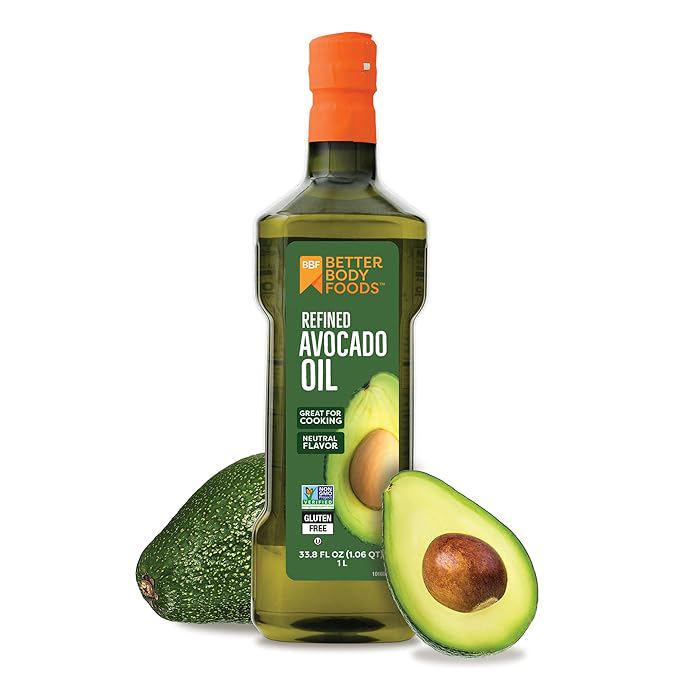
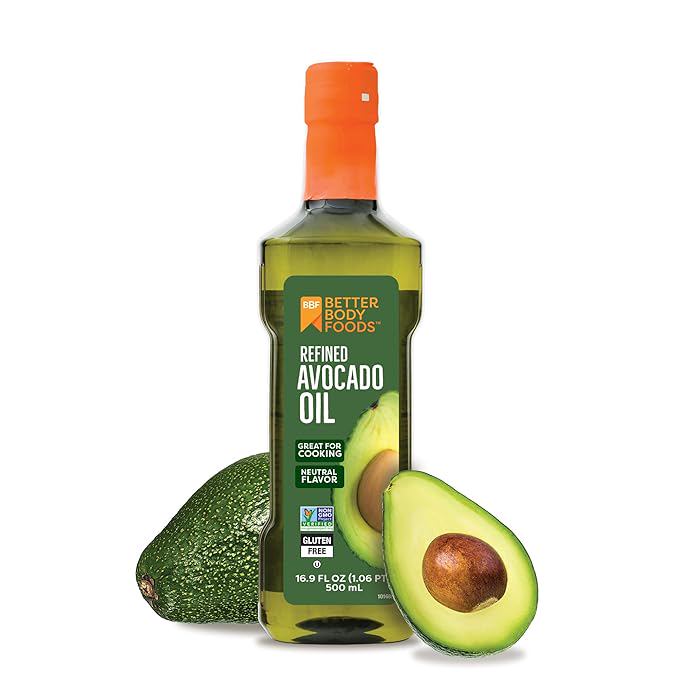
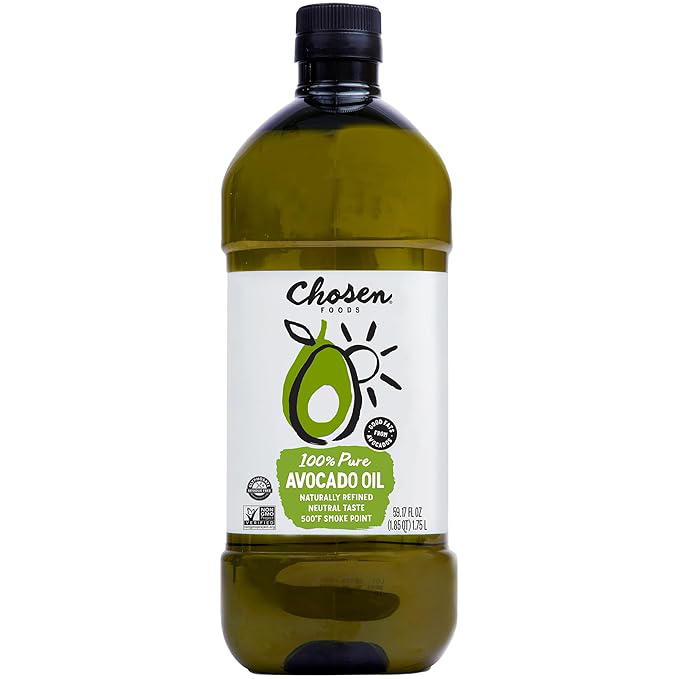
Lunch often involves quick cooking — sautéing vegetables, grilling chicken, or pan-frying fish. This is where avocado oil shines. Its high smoke point means it won't break down into harmful compounds when you're cooking at medium-high to high heat. If you're making a stir-fry or searing salmon for a salad, avocado oil is your best friend.
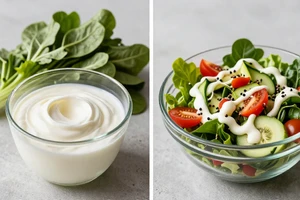
Avocado oil has a mild, buttery taste that doesn't overpower other ingredients. That neutrality is an advantage when you want the flavors of your herbs, spices, and fresh produce to come through. It also works beautifully in mayonnaise or vinaigrettes if you prefer a lighter flavor than olive oil.
Evening: olive oil's second act
Dinner is often the meal where you have time to slow down and enjoy the process. Use that opportunity to bring back olive oil. Drizzle it over roasted vegetables, toss it with pasta, or finish a piece of grilled fish with a spoonful of raw EVOO. The goal isn't to cook with olive oil at high temperatures — it's to add it after cooking or at very low heat.
A 2014 study in the journal Nutrients noted that consuming polyphenol-rich olive oil in the evening might support overnight recovery processes, including reduced inflammation and improved vascular function. While the evidence is not definitive for 'evening-only' benefits, there is a plausible link between timing and the body's natural circadian rhythms. Pairing olive oil with vegetables or whole grains at dinner gives your body a steady supply of those protective compounds overnight.
What about baking and frying?
For baking at moderate temperatures (350°F and below), either oil works. For higher heat roasting or shallow frying, stick with avocado oil. Its stability under heat means fewer free radicals are formed during cooking. A study published in the Journal of Agricultural and Food Chemistry found that avocado oil retained its nutritional profile better than olive oil when subjected to high heat for extended periods.
Deep frying is best avoided with either oil if you're aiming for health, but if you do it occasionally, avocado oil is the safer choice due to its high smoke point.
Storing your oils properly
Both oils are sensitive to light, heat, and air. Store them in dark glass bottles in a cool cabinet, not next to the stove. Avocado oil generally has a longer shelf life due to its higher saturated fat content, but both can go rancid if exposed to warmth for weeks. A rancid oil not only tastes bad — it loses its beneficial properties and may even introduce harmful compounds.
Key Takeaways
- Use extra-virgin olive oil raw or at low heat to preserve its polyphenol antioxidants, especially at breakfast and dinner.
- Choose avocado oil for high-heat cooking methods like frying, searing, and roasting above 375°F.
- Avocado oil's neutral flavor works well in dressings and baked goods where you don't want an olive oil taste.
- Both oils are rich in monounsaturated fats and support heart health when used as part of a balanced diet.
- Store both oils in a dark, cool place to prevent rancidity and maintain nutritional quality.