
Walking into a restaurant with a calorie budget can feel like navigating a minefield. The menu is full of tempting descriptions, the bread basket arrives before you’ve even ordered, and portion sizes are often designed for two. It’s no wonder that for many people on a weight-management journey, dining out feels like a necessary evil—or a reason to give up entirely for the night.
The good news? You don’t have to order a plain salad with lemon juice every time you eat out. With a few smart strategies and a clear understanding of how restaurant kitchens work, you can enjoy a satisfying meal without blowing your daily calorie targets. The key isn't deprivation; it's about making informed choices that prioritize protein, vegetables, and simple preparation methods.
Start With the Right Foundation: Look for Cooking Methods
Before you even glance at the sauce descriptions, scan the menu for how the food is cooked. The preparation method is the single biggest predictor of how many hidden calories a dish will contain. When you see these terms on a menu, you can generally proceed with confidence:
- Grilled, broiled, or baked: These techniques use dry heat and typically require little to no added fat. A grilled chicken breast, baked fish filet, or broiled steak is a safe bet.
- Steamed: Common for vegetables, dumplings, and fish. This method adds zero fat and preserves the natural flavor of the food.
- Roasted: Often similar to baking, but be cautious—roasted vegetables can be drenched in oil. Ask if they are roasted dry or with oil.
On the flip side, be wary of these red-flag terms: crispy, battered, breaded, tempura, pan-fried, sautéed (without a specific broth or wine), creamy, Alfredo, basted, or au gratin. A seemingly innocent bowl of “grilled chicken tacos” can become a 700-calorie meal if the chicken is first sautéed in oil, the tortillas are fried, and the whole thing is topped with sour cream and cheese.
Pro tip: If you're unsure about cooking methods, simply ask your server. “How is the fish prepared? Is it cooked in oil or butter?” is a perfectly normal question.
Protein First, Then Build Your Plate
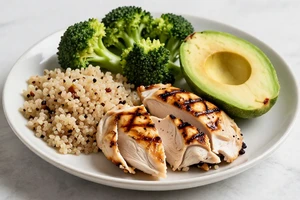
In a calorie-conscious context, protein is your best friend. It keeps you full, slows digestion, and helps preserve lean muscle mass. Start by selecting a lean protein source, then build the rest of the meal around it. Good choices include:
- Grilled chicken or turkey breast
- Fish (salmon, cod, tilapia, tuna)—order it grilled or steamed, not blackened or pan-seared unless they use minimal oil
- Lean cuts of beef (sirloin, filet mignon) or pork (tenderloin)
- Tofu or tempeh (ask for it grilled or baked, not fried)
- Egg whites or a simple egg scramble (not an omelet loaded with cheese)
When you have your protein, ask for double vegetables instead of the standard starch. “I’d like the salmon with a side of steamed broccoli and a side salad instead of the rice and potatoes” is a common, easy-to-accommodate request.
The Sauces and Dressings Trap
Restaurants know that sauce sells. A drizzle of vinaigrette, a blanket of cheese sauce, or a pool of butter can transform a 300-calorie filet into a 700-calorie indulgence—without adding any nutritional value. The general rule is simple: order all sauces and dressings on the side. That way, you control the quantity. Even a so-called “light” vinaigrette can pack 10-15 grams of fat and 100-120 calories per two-tablespoon serving.
For salads, ask for oil and vinegar on the side and use them sparingly: a ratio of about one part oil to three parts vinegar works well. For main dishes, request sauces like marinara, salsa, chimichurri (which is mostly herbs and oil, but still use it lightly), or a simple lemon-butter sauce. Avoid anything with “cream” or “cheese” in the name.
Alcohol and Liquid Calories: A Hidden Budget Buster
If you are strictly counting calories, liquid calories are often the easiest ones to overlook but the most impactful. A single alcoholic drink can contain anywhere from 100 calories (a light beer or a glass of dry wine) to 500 or more calories (margaritas, frozen daiquiris, craft cocktails with simple syrup).
If you decide to drink, stick to these better options:
- Dry wines (red or white, typically 120-130 calories per 5 oz pour)
- Light beers (around 100 calories per 12 oz)
- Spirits with soda water and a squeeze of lime (vodka, gin, tequila, or whiskey — about 100 calories per 1.5 oz pour + zero-calorie mixer)
Non-alcoholic drinks also matter. Sweetened iced tea, sodas, lemonade, and even some fruit juices can add 150-250 calories before you even touch your plate. Stick to water, seltzer, unsweetened iced tea, or black coffee.
Appetizers and Bread: Decide on a Strategy
The pre-meal ritual of bread, chips, or appetizers is often where calorie budgets start to crack. You do not have to skip them entirely, but have a plan. If you know the restaurant serves excellent bread with olive oil, decide beforehand whether you will have one piece (skip the butter) or simply ask the server not to bring it at all.
For appetizers, look for options that are vegetable-forward and not fried. Good choices include:
- Steamed edamame (a great protein-rich starter)
- A simple green salad (dressing on the side)
- Tomato-based soups (minestrone, gazpacho)
- Crudités with hummus or a light yogurt dip
Skip: fried calamari, loaded nachos, cheese-stuffed anything, and creamy dips like spinach-artichoke (often made with heavy cream and cheese).
Portion Control: The Plate Is Never Your Friend
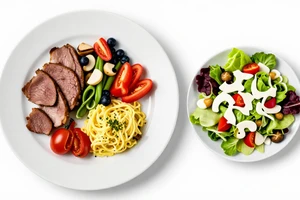
Restaurant portions are almost always larger than a standard serving. A “small” pasta dish can easily contain 3-4 servings of pasta. The most effective strategy is to ask for a to-go box when you order. Before you take a single bite, put half of the meal in the box and set it aside. This is a simple visual trick that automatically controls your portion and leaves you with a perfectly good lunch for tomorrow.
Another tactic is to order from the appetizer or “lighter fare” section of the menu. Many restaurants now feature a “light” or “skinny” menu with calorie counts listed. A grilled chicken lettuce wrap, a bowl of broth-based soup, or a small salad with protein can be perfectly satisfying without overdoing it.
Dessert: A Mindful Approach
Dessert can still happen—just not the monster slice of cheesecake or the deep-fried ice cream. If you have room in your calorie budget or just want a sweet finish, try these strategies:
- Share one dessert among several people. Most restaurant desserts are enough for 3-4 people.
- Order fresh berries or a fruit plate if available, or a single scoop of sorbet.
- Opt for dark chocolate (like a small piece of flourless chocolate cake or a simple chocolate mousse) — it’s richer, so you’re more likely to be satisfied with a small amount.
If you’re truly full but just want the taste, order a cup of herbal or mint tea instead. The ritual of a warm drink can satisfy the desire for a meal closure without adding calories.
Putting It All Together: Sample Low-Calorie Orders by Cuisine
Here is how you can apply these strategies to different types of cuisines:
- Italian: Grilled fish or chicken with a side of steamed vegetables and marinara sauce. Or a small portion of pasta primavera (ask for half the pasta and extra veggies). Avoid the Alfredo or cream-based sauces.
- Mexican: Grilled chicken or fish tacos on corn tortillas (ask for no sour cream or cheese), with salsa and a side of black beans. Skip the rice and the fried chips.
- American/Burger Joint: A bunless burger (lettuce wrap) with a side salad instead of fries. Or grilled chicken sandwich (no bun) with mustard instead of mayo.
- Asian: Steamed fish or chicken with mixed vegetables and a side of steamed brown rice. Ask for sauce on the side, and avoid anything labeled “tempura” or “crispy.”
Remember, one meal—even an imperfect one—does not define your progress. The goal is not perfection; it's consistency. Enjoy the social experience, make the best choices you can with the information available, and get back on track with your next meal. You’ve got this.