
Tuna salad has long been a lunchtime staple, prized for its protein and its healthy dose of omega-3 fatty acids. But for anyone who wants to eat more plants, reduce mercury exposure, or simply shake up their midday routine, finding a worthy replacement can feel tricky. The good news is that several plant-based foods deliver a similar omega-3 payload — sometimes even more — without the environmental or health concerns that can come with canned fish.
Here are three of the best swaps to try the next time you’re staring at an empty lunch bowl.
Why look beyond tuna for omega-3s?
Omega-3 fatty acids — particularly EPA (eicosapentaenoic acid) and DHA (docosahexaenoic acid) — are critical for brain function, reducing inflammation, and maintaining heart health. Tuna provides these in a pre-formed, ready-to-use form. Most plant foods contain ALA (alpha-linolenic acid), which your body must convert into EPA and DHA. The conversion process is not terribly efficient — only about 5–15% of ALA becomes EPA or DHA.
Nevertheless, eating a variety of ALA-rich foods, combined with modern fortified options, can still meet your body’s needs. Many people also choose plant-based lunches to lower their intake of mercury, a neurotoxin commonly found in larger fish like tuna. A well-planned plant-forward lunch can be both nourishing and sustainable.
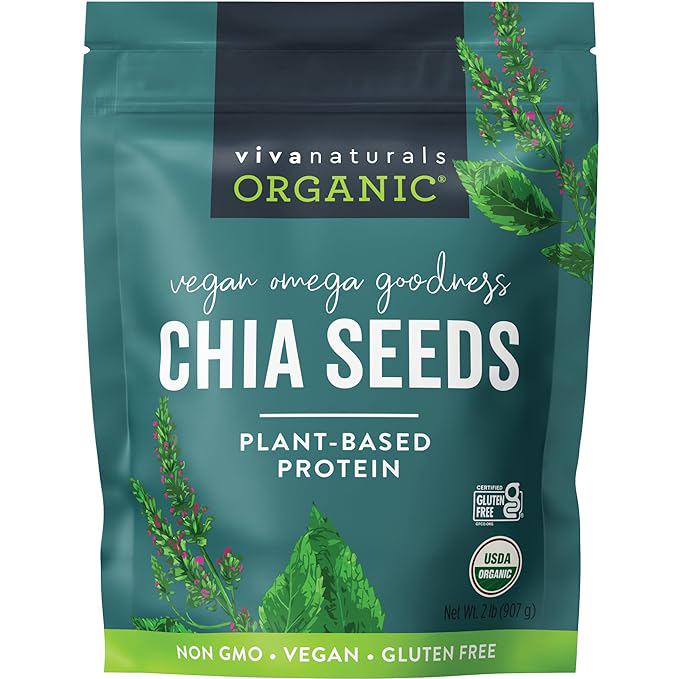
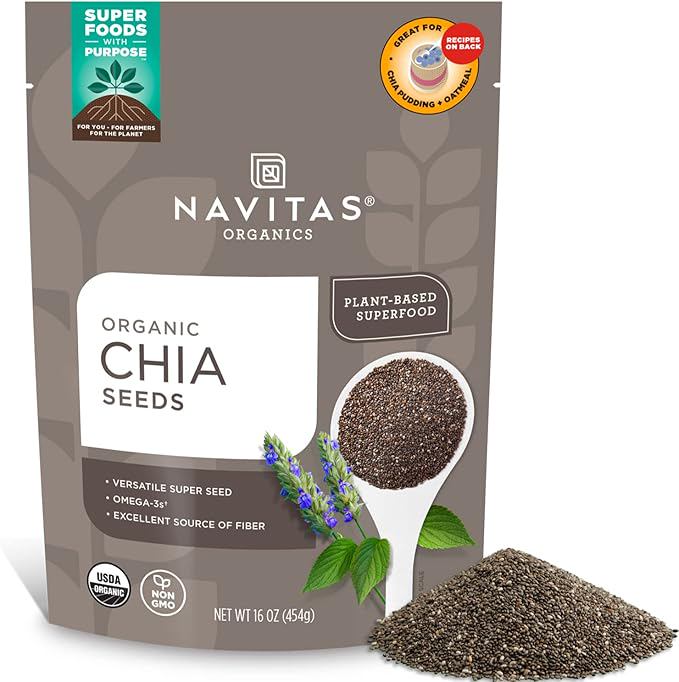
1. Chia seeds: The tiny powerhouse
A single ounce (about two tablespoons) of chia seeds contains over 5,000 mg of ALA omega-3s — one of the highest concentrations found in any whole food. That’s comparable to the total omega-3 content in a standard can of tuna, though in a different fatty acid form.
How to use them at lunch: Chia seeds work beautifully in savory dishes, not just puddings. Sprinkle them over a grain bowl with roasted vegetables and a lemon-tahini dressing. Stir them into a cold noodle salad with shredded cabbage, grated carrot, and a miso-ginger vinaigrette. They absorb liquid and add a gentle nuttiness, plus a satisfying pop of texture.
Tip: For extra absorption, let chia seeds sit in dressing or broth for 10–15 minutes before serving.
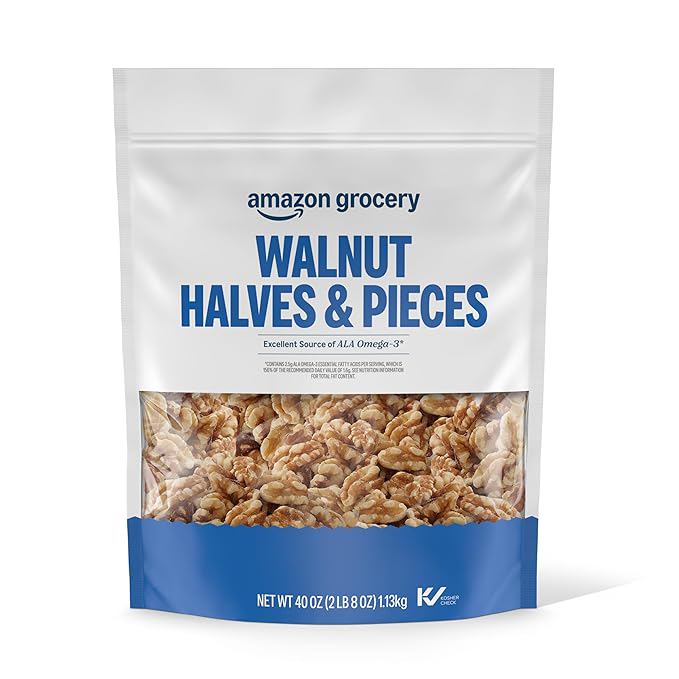
2. Walnuts: A crunchy omega-3 staple
Walnuts are one of the few nuts that provide a significant amount of ALA — about 2,500 mg per quarter cup. They also offer protein, fiber, and healthy fats that keep you full through the afternoon.
How to use them at lunch: Replace tuna in a classic “salad” sandwich by mashing walnuts with a fork and mixing them with plain yogurt (or plant-based yogurt), a squeeze of lemon, minced celery, and a pinch of sea salt. Spread it on whole-grain bread with lettuce and tomato. For a warm lunch, add chopped walnuts to a lentil soup or a sauté of greens and white beans just before serving.
“Walnuts are one of the few plant foods that naturally contain a meaningful amount of omega-3s in a form your body can begin to use,” says dietitian and author Maxine Yeung, RDN.
3. Algal oil: The closest match to fish oil
Algal oil is derived from marine algae — the same source from which fish get their omega-3s. It provides both DHA and EPA in a pre-formed, highly bioavailable form, making it the most direct plant-based swap for the type of omega-3 in tuna. Many algal oil supplements are available, but you can also buy culinary algal oil drizzles or use micronized algal powder to add to dressings and dips.
How to use it at lunch: Drizzle a teaspoon of algal oil (available at many natural-foods stores) directly onto a salad or over a bowl of warm grains and roasted vegetables. Stir a half-teaspoon into a creamy dressing of tahini, lemon, and maple syrup for a subtle, grassy flavor that blends well with greens. Because it is a concentrated source of DHA and EPA, even small amounts can meaningfully boost your omega-3 intake.
Putting it together: A plant-forward lunch bowl
For a complete, tuna-free omega-3 lunch, combine several of these ingredients. Start with a base of cooked quinoa or brown rice. Add a handful of baby kale or arugula. Top with chopped walnuts, a generous sprinkle of chia seeds, and a tablespoon of pumpkin seeds for extra crunch. Dress with a vinaigrette made from lemon juice, olive oil, and a small splash of algal oil. This bowl delivers protein, fiber, and a spectrum of omega-3s — without a can of tuna in sight.
Common questions about plant-based omega-3s
Do I need to take a supplement if I eat these foods?
For general wellness, eating a variety of ALA-rich foods — chia, walnuts, flaxseed, hemp seeds — along with occasional use of algal oil is likely sufficient for most people. Those with specific health conditions or dietary limitations may want to consult a registered dietitian about individualized needs.
Can I use ground flaxseed instead of chia?
Yes. Ground flaxseed offers a similar ALA content (about 1,600 mg per tablespoon). It is best stored in the refrigerator and can be stirred into oatmeal, smoothies, or salad dressings.
Is there a risk of overdoing omega-3s from plants?
Omega-3s from whole plant foods are very safe. Even fairly high intakes of ALA have not been associated with adverse effects. As with any nutrient, balance is key — your body benefits from a mix of fats, not just one type.