When you’re working to regain range of motion after an injury, a tough workout, or simply the stiffness that creeps in with age, what you put on your plate matters just as much as the exercises you do. Mobility recovery isn’t just about stretching and foam rolling—it’s a biological process that requires specific raw materials to rebuild tissue, calm inflammation, and lubricate your joints. We asked registered dietitians to weigh in on the foods that actually help you move better, faster.
Why protein is non-negotiable for recovery
Every time you challenge your muscles and connective tissues—whether through strength training or rehabilitation—you create microscopic tears. The body repairs these tears by using amino acids from dietary protein. Without enough protein, that repair process slows down, and mobility suffers because the tissues remain weak and tender.
Dietitians recommend spacing protein intake evenly across three meals rather than loading up at dinner. A 20- to 30-gram dose at breakfast, lunch, and dinner keeps the bloodstream supplied with amino acids throughout the day. Think of it as keeping a slow, steady fire burning rather than trying to start a bonfire with a single log at night.
Solid options include:
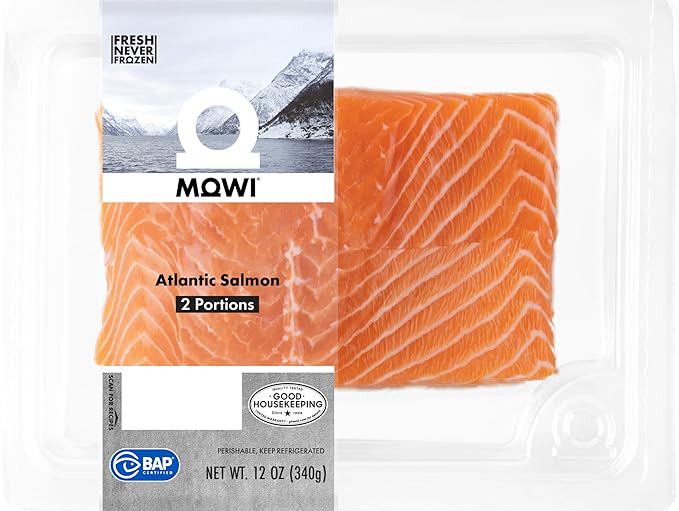
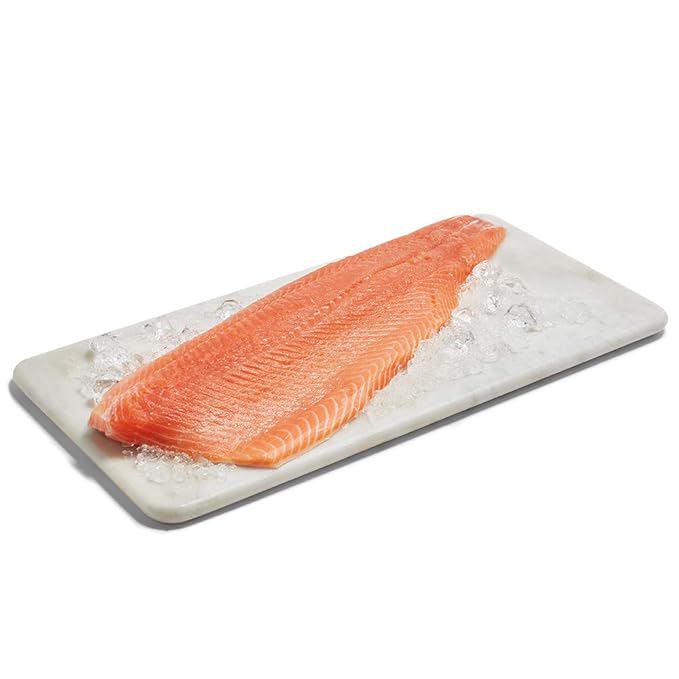
- Lean poultry or fish — chicken breast, turkey, salmon, or cod provide high-quality protein without excessive saturated fat.
- Eggs — one of the most bioavailable sources of protein, plus choline for cell repair.
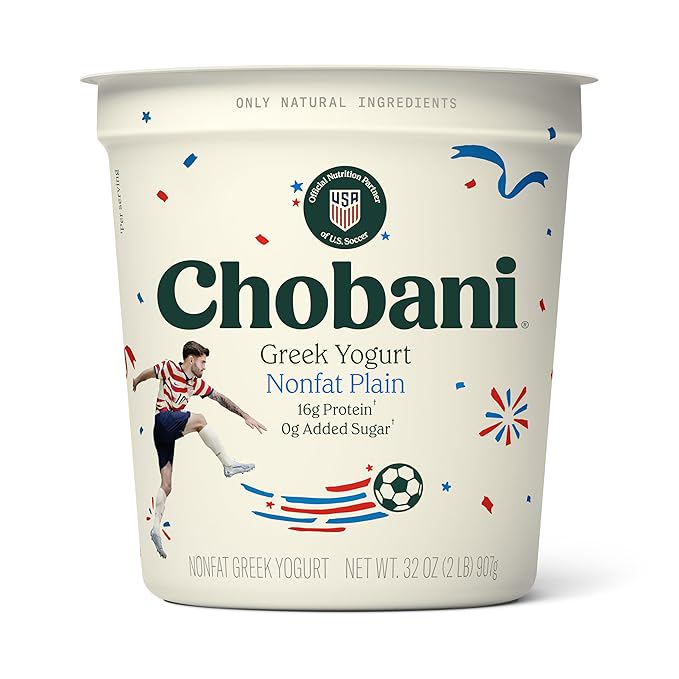
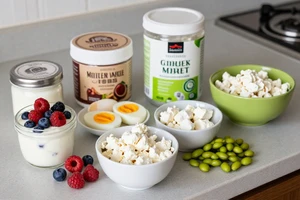
- Greek yogurt or cottage cheese — casein protein digests slowly, making it ideal for overnight repair when eaten before bed.
- Plant-based choices — tofu, tempeh, lentils, and chickpeas are excellent for those who prefer not to eat animal products. Pair them with grains to form a complete amino acid profile.
Fatty fish and the anti-inflammatory edge
Joint stiffness and mobility loss are almost always accompanied by some degree of inflammation. Omega-3 fatty acids, particularly the long-chain types EPA and DHA found in fatty fish, are some of the best studied dietary compounds for reducing that inflammatory response. Research shows that consistent intake of omega-3s can help decrease joint pain and improve morning stiffness.
Salmon, mackerel, sardines, and herring are the top sources. If you don’t eat fish, plant-based omega-3s from flaxseeds, chia seeds, and walnuts can help, though the conversion to the active forms is less efficient. Many dietitians suggest two servings of fatty fish per week for general mobility support, and more during active recovery phases if tolerated.
“The anti-inflammatory effect of omega-3s isn’t like taking a pain reliever—it’s slower and more foundational, but it addresses the underlying process,” explains one clinical dietitian we spoke with.
Collagen-supporting nutrients: it’s not just about powder
Collagen is the main structural protein in tendons, ligaments, and cartilage—the very tissues that determine how freely you can move. While collagen supplements are popular, whole foods can supply the nutrients needed for the body to produce its own collagen.
Vitamin C is the most critical cofactor for collagen synthesis. Without enough vitamin C, even a high-protein diet won’t result in strong connective tissue. Citrus fruits, bell peppers (especially the red ones), strawberries, kiwis, and broccoli are all rich sources.
Copper and zinc also play roles in collagen cross-linking and tissue repair. You can get these from:
- Shellfish like oysters and crab (zinc)
- Nuts and seeds — cashews, sunflower seeds, and pumpkin seeds (copper and zinc)
- Beef liver (copper) — even just a small portion once a week can make a difference.
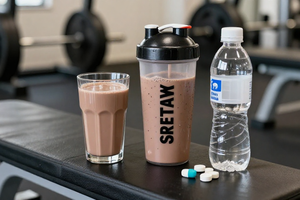
If you do use a collagen supplement, dietitians note that taking it with vitamin C (like mixing it into a smoothie with berries) significantly enhances absorption and utilization.
Antioxidant-rich plants for less oxidative stress
Recovery creates oxidative stress—an imbalance of free radicals and antioxidants—which can prolong soreness and delay healing if not managed. Fruits and vegetables provide a broad spectrum of antioxidants that neutralize these free radicals, helping tissues bounce back more quickly.
The most impactful choices for mobility recovery are those rich in polyphenols and flavonoids:
- Berries — blueberries, blackberries, raspberries, and cherries contain anthocyanins that target exercise-induced inflammation.
- Dark leafy greens — spinach, kale, and Swiss chard provide quercetin and kaempferol, both linked to reduced inflammatory markers.
- Tart cherry juice — one of the most studied recovery aids, shown to reduce muscle damage and speed up strength recovery after intense exercise.
- Turmeric and ginger — these spices contain curcumin and gingerol, compounds that inhibit inflammatory pathways. Pairing turmeric with black pepper boosts absorption significantly.
Hydration: the overlooked mobility factor
Water is the primary component of synovial fluid, the liquid that lubricates your joints. Even mild dehydration can thicken this fluid, making joints feel stiff and creaky. Dietitians emphasize that hydration for mobility recovery goes beyond just drinking plain water—it’s about maintaining electrolyte balance, especially if you sweat heavily during workouts or rehabilitation.
Foods with high water content contribute meaningfully to hydration: cucumbers, watermelon, oranges, celery, and broth-based soups. For longer sessions of recovery activity, a pinch of salt and a squeeze of lemon in water can help replace lost sodium and provide trace minerals.
One simple practice recommended by dietitians is to drink a glass of water with each meal and to include at least one water-rich fruit or vegetable at every meal to support joint fluid dynamics.
Putting it together: a recovery plate
When you sit down to eat with mobility in mind, aim for a plate that includes three components: a high-quality protein, a generous portion of colorful vegetables or fruits, and a smart source of healthy fats. For example:
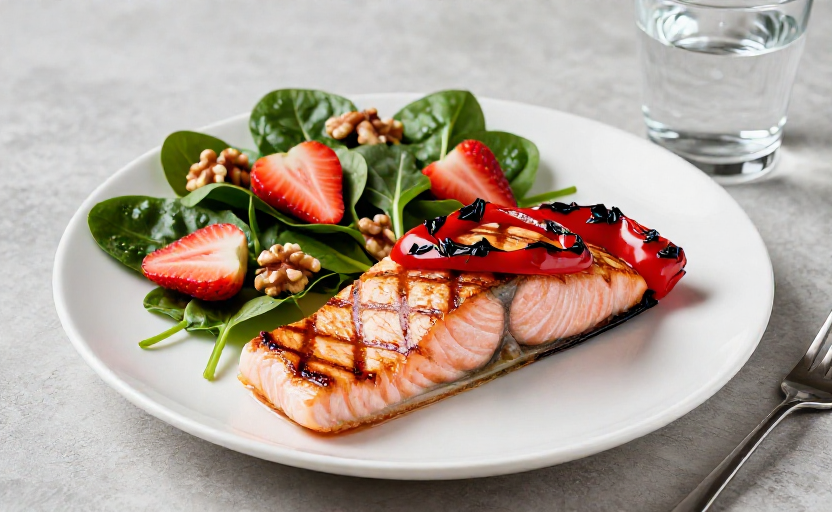
- Grilled salmon (protein + omega-3s) with a side of roasted red peppers and a spinach salad with strawberries (vitamin C + antioxidants), topped with a handful of walnuts (more omega-3s).
- A bowl of Greek yogurt with blueberries, ground flaxseeds, and a drizzle of honey (collagen support + antioxidants + protein).
- Lentil soup with kale, turmeric, and a squeeze of lemon, served with a small piece of whole-grain toast (plant protein + anti-inflammatory spices + vitamin C).
Mobility recovery is a gradual process, and nutrition works best as a consistent daily practice rather than a quick fix. By prioritizing these food categories—protein, omega-3s, collagen-supporting nutrients, antioxidants, and hydration—you give your body the actual building blocks it needs to move with less pain and greater ease over time.